




















Travel Capitalist Ventures Expands Check Size to $10 Million to Deepen Emerging Market Conviction
Boutique Travel VC raises investment cap from $1.5M to $10M to lead rounds and support portfolio companies through growth Travel...
Read moreDetails
Turkish Airlines Launches its New Flights to Phnom Penh, Boosting the Regional Tourism Business Oppo...
Article Summary:
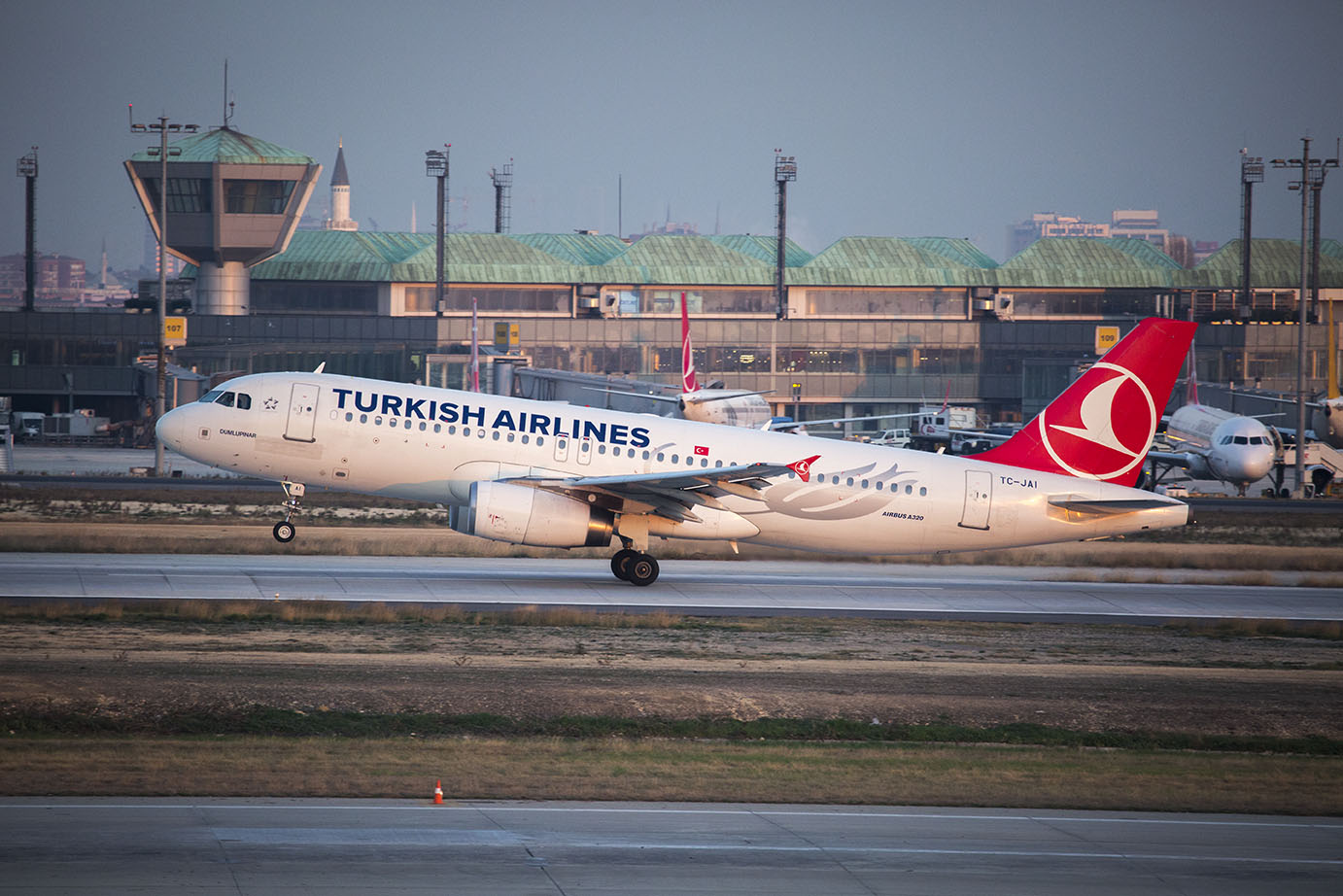
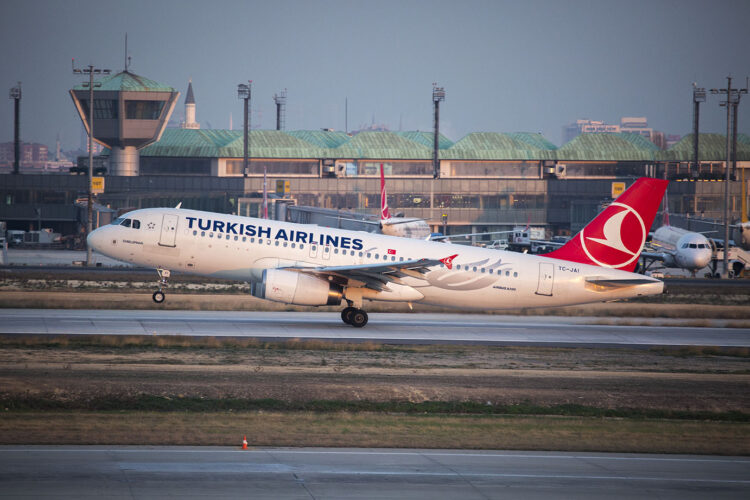
Turkish Airlines has initiated direct flights from Istanbul to Phnom Penh, Cambodia, marking a significant expansion of its global network. This move is part of Turkish Airlines’ strategy to enhance connectivity and boost tourism and economic growth in Cambodia. The three-weekly flights are expected to significantly impact travel between Europe and Cambodia, opening new opportunities for regional tourism.
Key Points:
Actionable Takeaways:
Contextual Insights:
The launch of Turkish Airlines’ direct flights to Phnom Penh is a strategic move that aligns with broader industry trends towards expanding global connectivity. As travel demand continues to recover and evolve, airlines are increasingly focusing on developing routes that offer unique value propositions, such as enhanced connectivity and economic benefits for host countries. This development reflects the ongoing trend of travel tech and startups focusing on innovative solutions to improve travel experiences and accessibility. Furthermore, it highlights the potential for fintech innovations in the travel sector, such as streamlined booking processes and enhanced payment solutions, to support the growth of new routes and boost tourism. The article also aligns with the current emphasis on regional tourism as a key driver of economic recovery and growth in the wake of the pandemic.
Read the Complete Article.
Boutique Travel VC raises investment cap from $1.5M to $10M to lead rounds and support portfolio companies through growth Travel...
Read moreDetails




