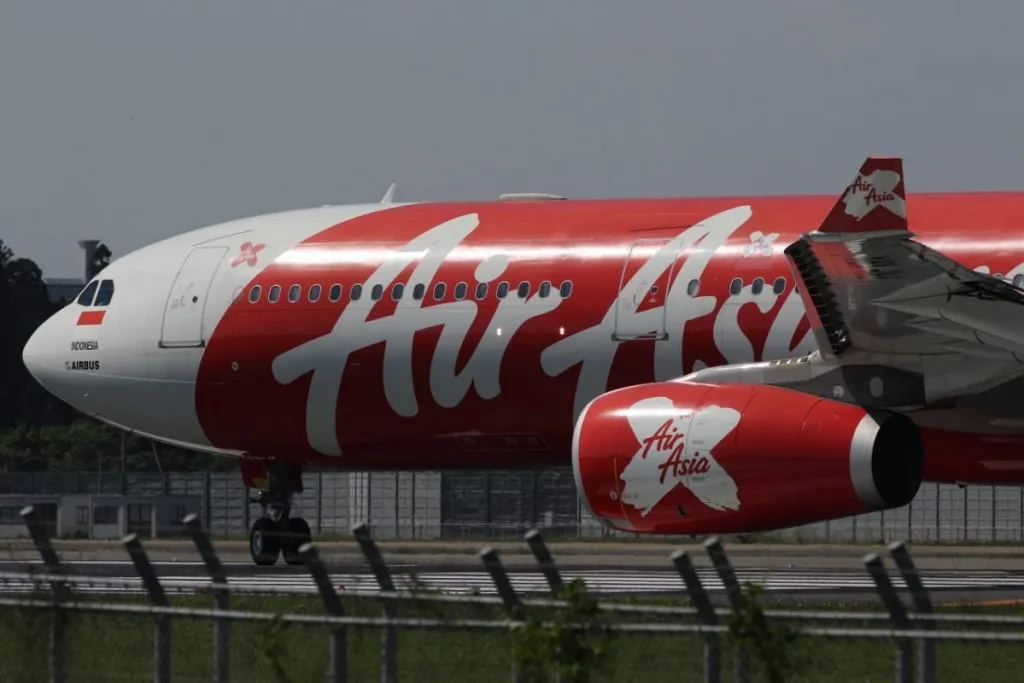
The article reports significant disruptions in China’s aviation network, affecting hundreds of flights and causing 90 cancellations and 1,784 delays across major hubs such as Beijing, Shanghai, and Shenzhen. The disruptions involve major airlines including Air China, XiamenAir, Zhejiang Loong, and Dalian Airlines. The article highlights the logistical challenges faced by thousands of travelers, emphasizing the impact on Beijing, Shanghai, and Shenzhen airports. The disruptions are described as part of a broader issue affecting China’s aviation network, with the ripple effect extending to critical regional airports. The article serves as a timely update on the current state of air travel in China, reflecting ongoing challenges in the industry.
Key Points:
Hundreds of flights have been disrupted in China, leading to 90 cancellations and 1,784 delays.
Major hubs such as Beijing, Shanghai, and Shenzhen are experiencing the most significant disruptions.
Airlines affected include Air China, XiamenAir, Zhejiang Loong, and Dalian Airlines.
The disruptions are impacting thousands of travelers, causing logistical challenges.
The ripple effect of these disruptions extends to critical regional airports in China.
Actionable Takeaways:
Enhanced Travel Insurance and Flexibility: Given the high frequency of flight cancellations and delays, travelers should consider purchasing enhanced travel insurance that offers flexibility in rescheduling or refunding flights. This can mitigate financial losses and provide peace of mind during travel disruptions.
Real-Time Flight Tracking and Alerts: Travelers should utilize real-time flight tracking apps and set up alerts for their specific routes. This proactive approach can help in making informed decisions about rescheduling or alternative travel options, reducing the impact of delays and cancellations.
Strengthening Partnerships with Airline Customer Service: Airlines should focus on improving customer service protocols to handle disruptions more efficiently. This includes providing clear communication, flexible rebooking options, and compensation for inconveniences. Strengthening these partnerships can enhance customer satisfaction and loyalty during challenging times.
Contextual Insights:
The disruptions in China’s aviation network underscore the vulnerabilities within the global travel infrastructure, particularly in regions with high air traffic. This situation highlights the importance of robust contingency planning and the need for airlines to invest in resilient systems that can quickly adapt to unforeseen challenges. The article also reflects broader trends in the travel industry, such as the increasing reliance on technology for real-time updates and the growing demand for flexible travel options. As the industry continues to evolve, innovations in travel tech and fintech are likely to play a crucial role in mitigating the impact of such disruptions. Thought leaders emphasize the importance of leveraging data analytics and AI to predict and prevent travel disruptions, ensuring a smoother travel experience for passengers.
Comprehensive Summarization: Abu Dhabi's tourism sector experienced a record-breaking year in 2025, welcoming 26.6 million visitors. This surge in international...