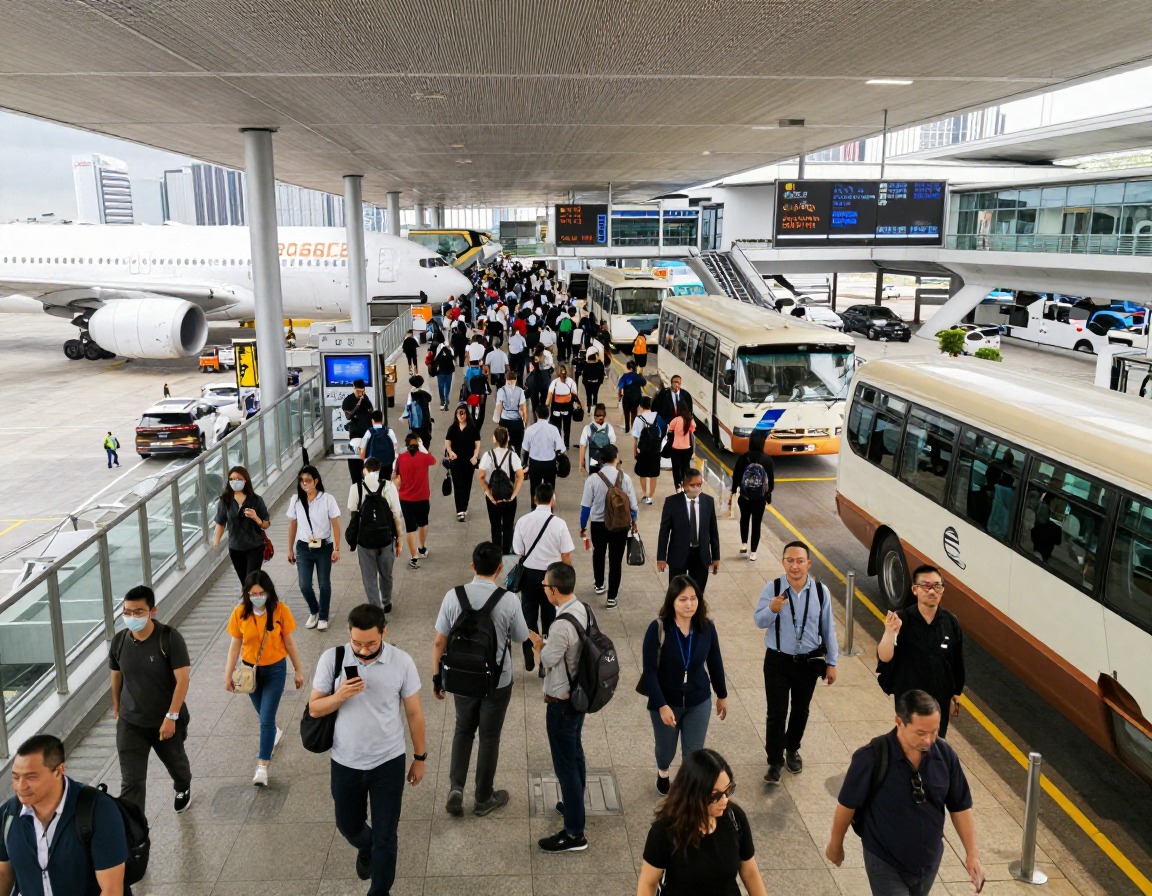
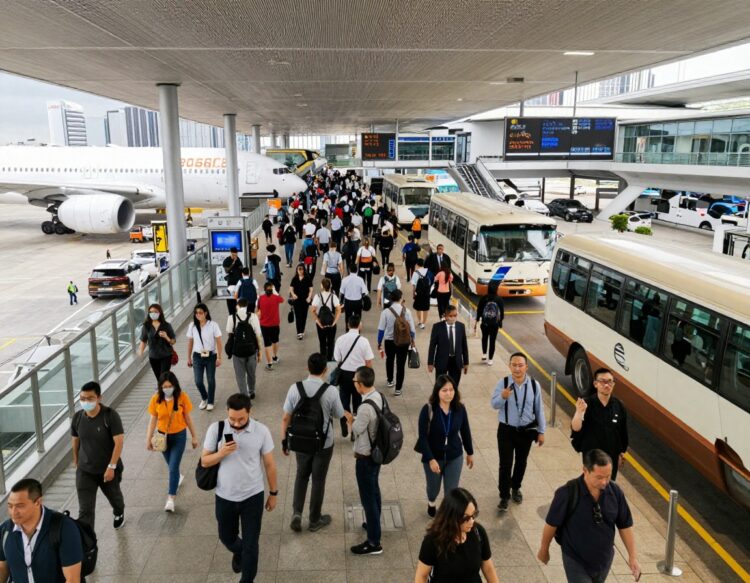
On February 21, 2026, Cathay Pacific, Malaysia Airlines, Jetstar, and MYAirline were compelled to cancel several flights from Bangkok’s Suvarnabhumi Airport due to a significant disruption in Southeast Asia’s aviation network. This cancellation affected numerous travelers heading to Hong Kong, Australia, and other destinations, causing considerable chaos. The article highlights the ripple effects of these cancellations, emphasizing the impact on business travelers and families alike. The disruption underscores the vulnerability of the aviation sector to unforeseen events and the need for robust contingency planning in the travel industry.
Key Points:
Cathay Pacific, Malaysia Airlines, Jetstar, and MYAirline canceled multiple flights from Bangkok’s Suvarnabhumi Airport on February 21, 2026.
The cancellations affected travelers bound for Hong Kong, Australia, and other destinations, causing significant disruption.
The disruption highlights the vulnerability of Southeast Asia’s aviation network to unexpected events.
The article emphasizes the ripple effects on business travelers and families, underscoring the broader impact on the travel industry.
Actionable Takeaways:
Enhanced Travel Insurance Coverage: Given the unpredictability of flight cancellations, travel companies should consider offering enhanced insurance packages that cover trip disruptions, including rebooking fees and accommodation costs. This proactive measure can mitigate financial losses for travelers and enhance customer satisfaction.
Improved Communication Protocols: Airlines should invest in advanced communication systems to promptly inform passengers of cancellations and provide real-time updates on rebooking options. Clear and timely communication can reduce customer frustration and improve brand loyalty.
Strategic Partnerships for Redundancy: Airlines should explore strategic partnerships with other carriers to ensure redundancy in flight schedules. This collaboration can help mitigate the impact of disruptions by providing alternative routes and minimizing passenger inconvenience.
Contextual Insights:
The cancellation of flights by major airlines like Cathay Pacific, Malaysia Airlines, Jetstar, and MYAirline underscores the fragility of the aviation sector, particularly in regions heavily reliant on international travel. This incident highlights the importance of robust contingency planning and the need for airlines to invest in resilient infrastructure and communication systems. As the travel industry continues to evolve, with increasing reliance on technology and digital platforms, forward-looking companies will prioritize innovations that enhance operational efficiency and customer experience. The integration of AI-driven predictive analytics and real-time data processing can significantly improve the ability to anticipate and mitigate disruptions, ensuring smoother travel experiences for passengers. Additionally, the emphasis on strategic partnerships reflects a broader industry trend towards collaboration and redundancy, aiming to create a more resilient and adaptable travel ecosystem.