






















Travel Capitalist Ventures Expands Check Size to $10 Million to Deepen Emerging Market Conviction
Boutique Travel VC raises investment cap from $1.5M to $10M to lead rounds and support portfolio companies through growth Travel...
Read moreDetails

'Wimp-Style Tourism' Becomes China's Latest Travel Craze Among Youth
Forget adrenaline-pumping adventures and opulent escapes. China’s younger generation is embracing a new, refreshingly down-to-earth travel trend: "wimp-style" tourism. This unconventional approach prioritizes comfort, convenience, and a deeply immersive experience in ordinary life, turning everyday locales into destinations of fascination.
At its core, "wimp-style" tourism is a rebellion against the pressure to constantly seek out extraordinary experiences. Instead, it celebrates the beauty and interest found in the mundane. Think leisurely strolls through local markets, savoring authentic street food, spending an afternoon in a quiet park, or simply soaking in the atmosphere of a less-trafficked neighborhood. It’s about slowing down, observing, and connecting with the authentic pulse of a place.
This trend is particularly popular among Gen Z and younger millennials, who are increasingly prioritizing mental well-being and a balanced lifestyle. They are actively seeking travel that offers respite from the high-pressure demands of modern life and academic pursuits. The appeal lies in its accessibility; it doesn’t require extensive planning, expensive excursions, or a significant budget. This makes travel more inclusive and sustainable for a wider demographic.
The shift reflects a deeper cultural re-evaluation. Young Chinese travelers are moving away from performative travel, where the emphasis is on showcasing impressive experiences, towards a more introspective and personal journey. They are less concerned with ticking off famous landmarks and more interested in the subtle nuances of local culture, the everyday routines of residents, and the unvarnished reality of a destination.
This movement has given rise to a surge in visits to less conventional attractions. Instead of iconic tourist traps, popular spots include ordinary parks, bustling local bazaars, and even residential areas known for their unique character or historical significance. The focus is on experiencing life as a local, even if just for a short period. This often involves utilizing public transportation, engaging with local vendors, and exploring on foot, fostering a genuine connection with the environment.
The digital landscape plays a crucial role in amplifying this trend. Social media platforms are flooded with posts showcasing these "wimp-style" experiences, often accompanied by hashtags like #平凡中的小确幸 (small certain happiness in the ordinary) and #慢生活 (slow living). This user-generated content inspires others and provides practical tips for discovering these hidden gems.
For the travel industry, "wimp-style" tourism presents a significant opportunity. It encourages the development of niche tourism products and services that cater to this desire for authenticity and simplicity. This could include guided walking tours of local neighborhoods, workshops on traditional crafts, or curated culinary experiences focusing on everyday dishes. It also highlights the importance of accessible and comfortable infrastructure, from well-maintained public spaces to affordable and clean public transport.
Ultimately, "wimp-style" tourism is more than just a travel trend; it’s a lifestyle choice that values contentment, mindfulness, and the profound joy found in the ordinary. As this movement continues to grow, it reshapes how young people perceive and engage with the world around them, proving that sometimes, the most rewarding journeys are the ones taken at a slower, more intentional pace.
Key Points
Read the Complete Article.
Boutique Travel VC raises investment cap from $1.5M to $10M to lead rounds and support portfolio companies through growth Travel...
Read moreDetails



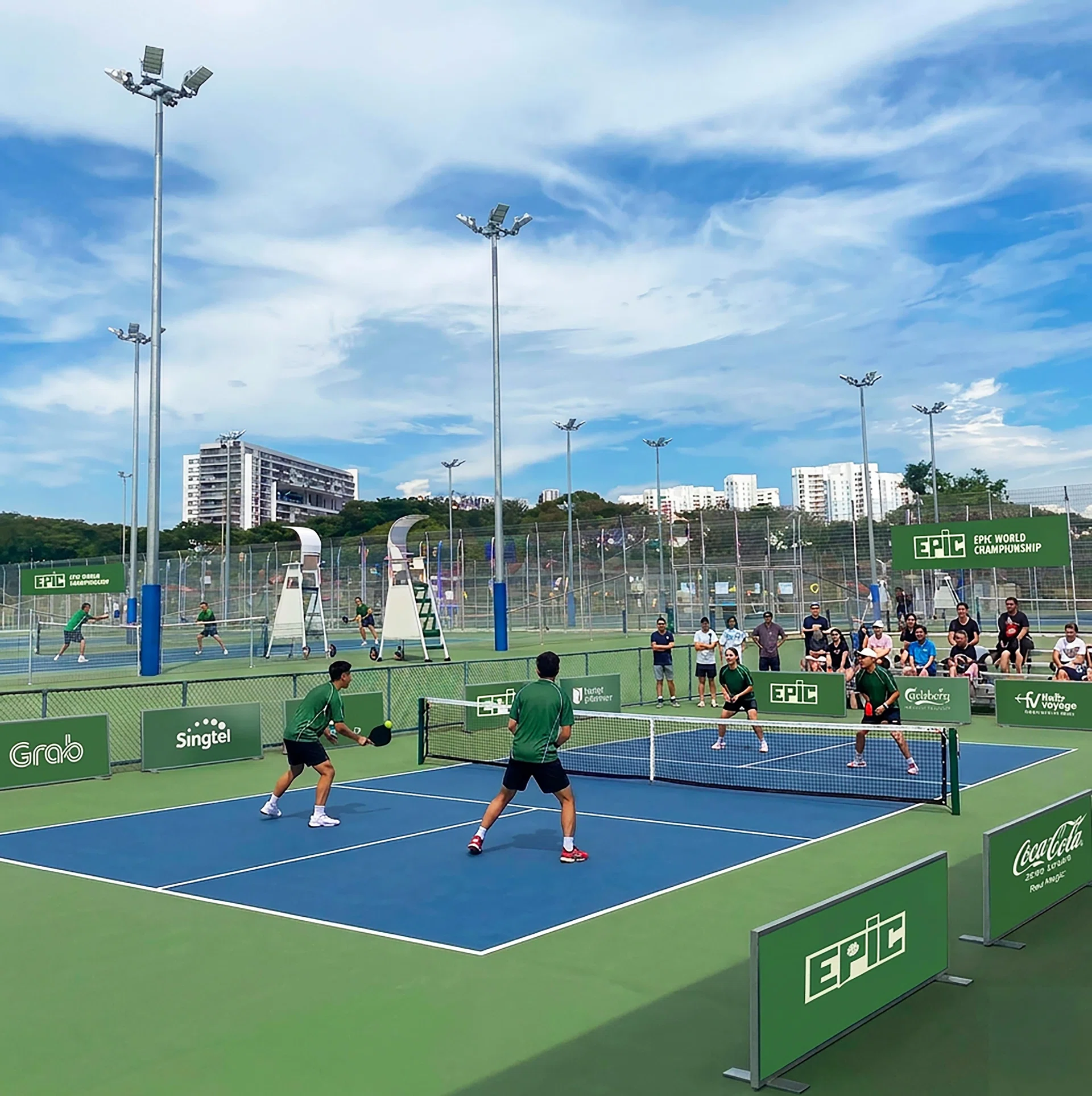
Comprehensive Summarization: The Singapore Tourism Board (STB) is set to host the inaugural Epic World Championship, a four-day amateur pickleball...
Read moreDetails
