
















Travel Capitalist Ventures Expands Check Size to $10 Million to Deepen Emerging Market Conviction
Boutique Travel VC raises investment cap from $1.5M to $10M to lead rounds and support portfolio companies through growth Travel...
Read moreDetails

India & China Resume Direct Flights, Boosting Trade & Tourism
Anticipated Resumption and Current State of Connectivity
Direct flight services between India and China are anticipated to resume in 2025, marking a significant development for bilateral relations. These flights were initially suspended in March 2020. Currently, travelers between the two countries must rely on connecting flights, often transiting through hubs such as Hong Kong, Dubai, or Singapore. This indirect travel significantly extends journey times, typically adding an additional 8-10 hours, and substantially increases overall travel costs. The absence of direct air links has created considerable logistical challenges, hindering business operations, tourism initiatives, student exchanges, and cultural interactions. Entrepreneurs, investors, and professionals engaged in cross-border activities have found it particularly difficult to travel efficiently, impacting the ease of doing business between India and China.
Driving Forces: Trade, Tourism, and Business Growth
The expected resumption of direct flights is poised to provide a substantial boost to trade, tourism, and overall economic connectivity. From a trade perspective, enhanced air connectivity will facilitate the movement of goods and personnel, particularly benefiting manufacturing sectors such as pharmaceuticals, automotive components, electronics, and textiles. This improved logistics infrastructure is expected to enhance supply chain efficiency and reduce operational costs for businesses engaged in India-China trade. In tourism, the reintroduction of direct flights is expected to stimulate both inbound and outbound travel, fostering greater cultural exchange. India, with its spiritual sites like Bodh Gaya and Varanasi, historical landmarks such as the Taj Mahal, and diverse natural landscapes, stands to attract more Chinese tourists. Similarly, China’s attractions, including the Great Wall, the Terracotta Army, and its modern cities, will become more accessible to Indian travelers. For the business community, direct flights will streamline travel for professionals, investors, and entrepreneurs, encouraging more frequent B2B meetings, collaborations, and investment opportunities. Additionally, it will improve accessibility for students pursuing education in either country.
Looking Ahead: Challenges and Opportunities
While the potential benefits are significant, the resumption of direct flights will require approvals from both the Indian and Chinese governments. Geopolitical considerations, including the Ladakh border stand-off, and ongoing issues such as visa processing, represent challenges that need to be addressed to ensure smooth re-establishment of services. Before the suspension, major Indian carriers like IndiGo, Air India, SpiceJet, and Vistara, along with Chinese airlines such as China Eastern, China Southern, and Air China, operated routes connecting key cities. These included Delhi, Mumbai, Bengaluru, and Chennai in India, and Beijing, Shanghai, Guangzhou, and Chengdu in China. The reintroduction of these routes is expected to significantly improve overall connectivity, foster deeper economic and cultural ties, and facilitate easier movement for all categories of travelers between the two nations.
Read the Complete Article.
Boutique Travel VC raises investment cap from $1.5M to $10M to lead rounds and support portfolio companies through growth Travel...
Read moreDetails



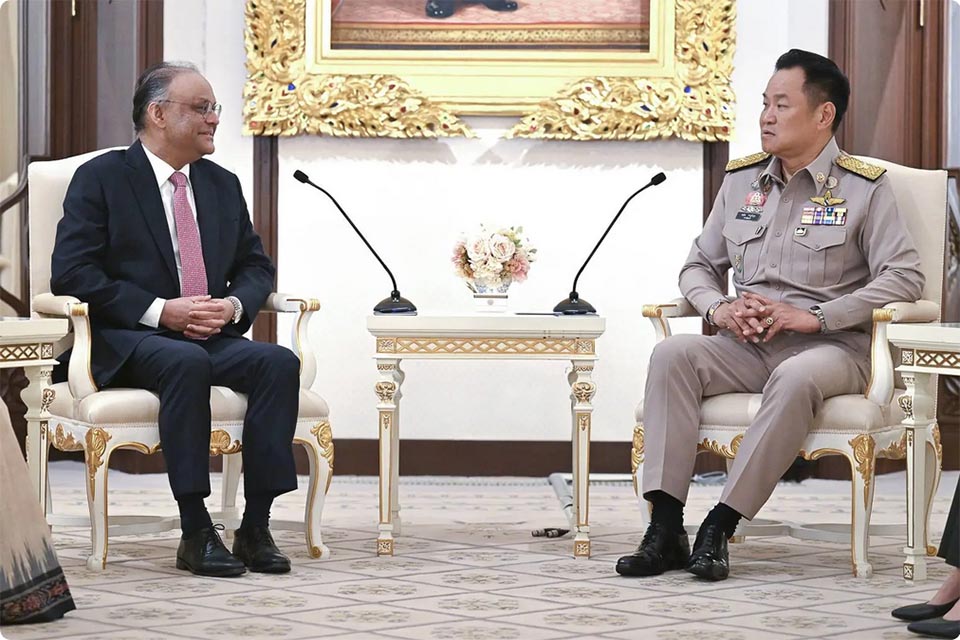
Comprehensive Summarization: The article reports on a meeting between Thailand's Prime Minister Anutin Charnvirakul and the outgoing Indian Ambassador to...
Read moreDetails
