

No products in the cart.
- Latest
- Trending

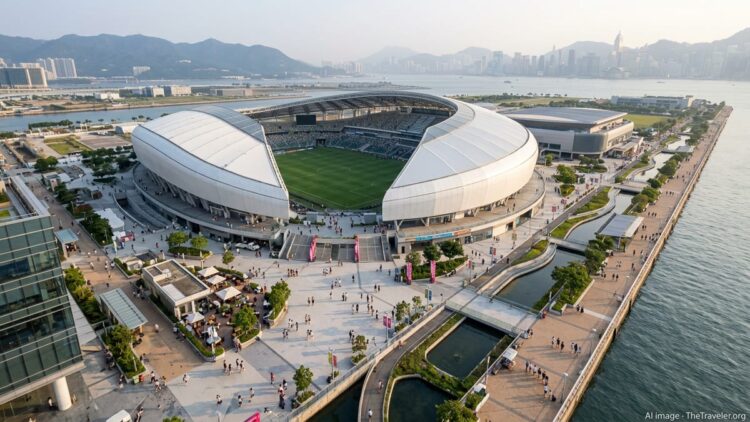
Kai Tak Sports Park in TIME List Boosts Hong Kong Tourism
Comprehensive Summarization:
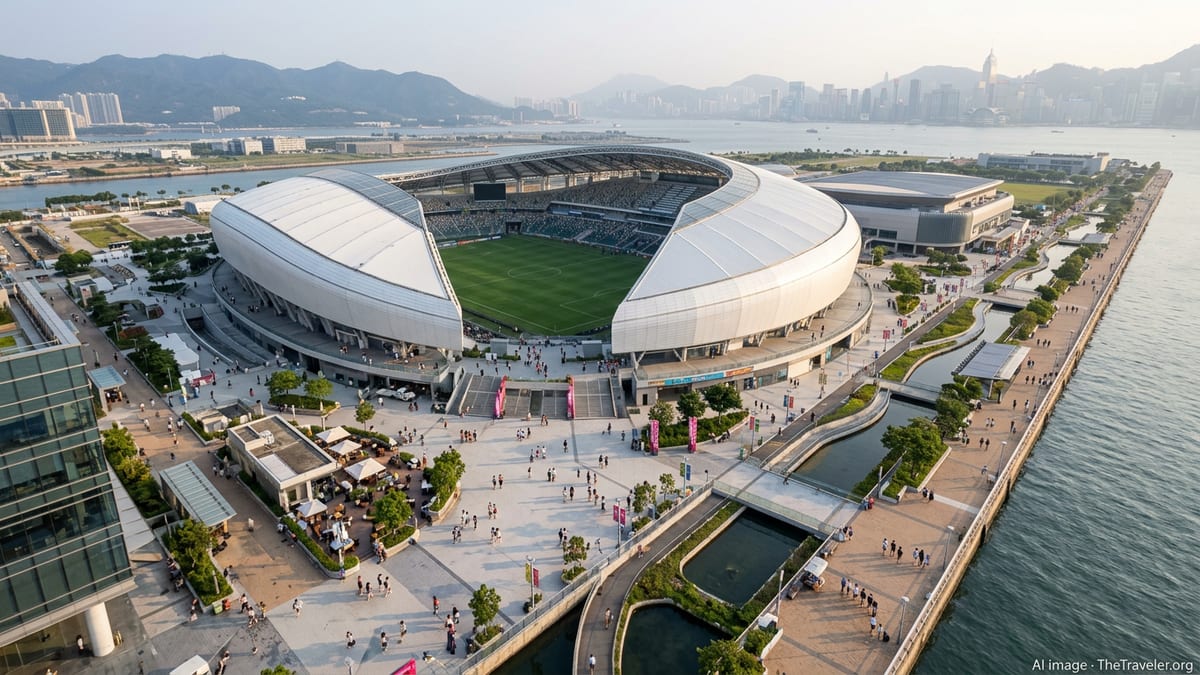
Kai Tak Sports Park in Hong Kong has been recognized by TIME as one of the World’s Greatest Places 2026, marking a significant milestone for the city’s tourism strategy. This 28-hectare complex, built on the former Kai Tak Airport runway in Kowloon, opened in March 2025 and has already become a defining feature of Hong Kong’s skyline and visitor experience. The recognition underscores Hong Kong’s commitment to leveraging mega events and world-class venues to drive its tourism rebound. The article highlights the rapid transformation of the site into a premier destination, emphasizing its role in the city’s post-pandemic recovery efforts.
Key Points:
Actionable Takeaways:
Tourism Strategy Emphasis: The inclusion of Kai Tak Sports Park in TIME’s list underscores Hong Kong’s strategic focus on leveraging mega events and world-class venues to boost tourism recovery. This could serve as a model for other cities looking to revitalize their tourism sectors through strategic infrastructure investments.
Rapid Development and Innovation: The rapid transformation of the former airport runway into a premier sports and entertainment venue within just a few years demonstrates the potential for innovative urban development projects. This highlights the importance of adaptive reuse of existing infrastructure in urban planning and development, a trend that could be replicated in other contexts to maximize land use efficiency and economic impact.
Contextual Insights:
The recognition of Kai Tak Sports Park by TIME reflects broader industry trends towards the integration of sports, entertainment, and tourism in urban development. This aligns with the growing emphasis on experiential travel and the creation of multifunctional spaces that cater to diverse visitor interests. As cities continue to recover from the impacts of the pandemic, the focus on creating vibrant, visitor-centric destinations is likely to intensify. Furthermore, the rapid development of such venues underscores the importance of leveraging existing infrastructure for new purposes, a strategy that can be particularly relevant in densely populated urban areas where land availability is limited. This approach not only optimizes resource use but also contributes to sustainable urban development by minimizing the need for new construction and preserving existing environmental assets.
Read the Complete Article.
Get curated travel AI insights — choose the newsletters that matter to you.
ALTOUR Expands into Thailand, Strengthening Corporate Travel Network Across Southeast Asia BANGKOK, THAILAND (25 March, 2026) – ALTOUR, a leading...
Read moreDetails


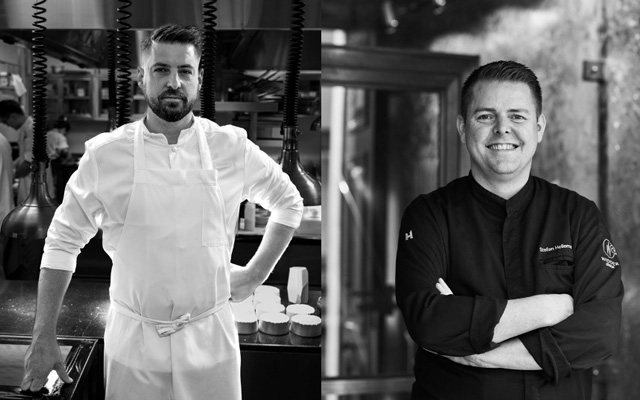
Singapore — April 14, 2026 In short: Kirk Westaway and Stefan Heilemann collaborate on a one-day dining event at JAAN...
Read moreDetails