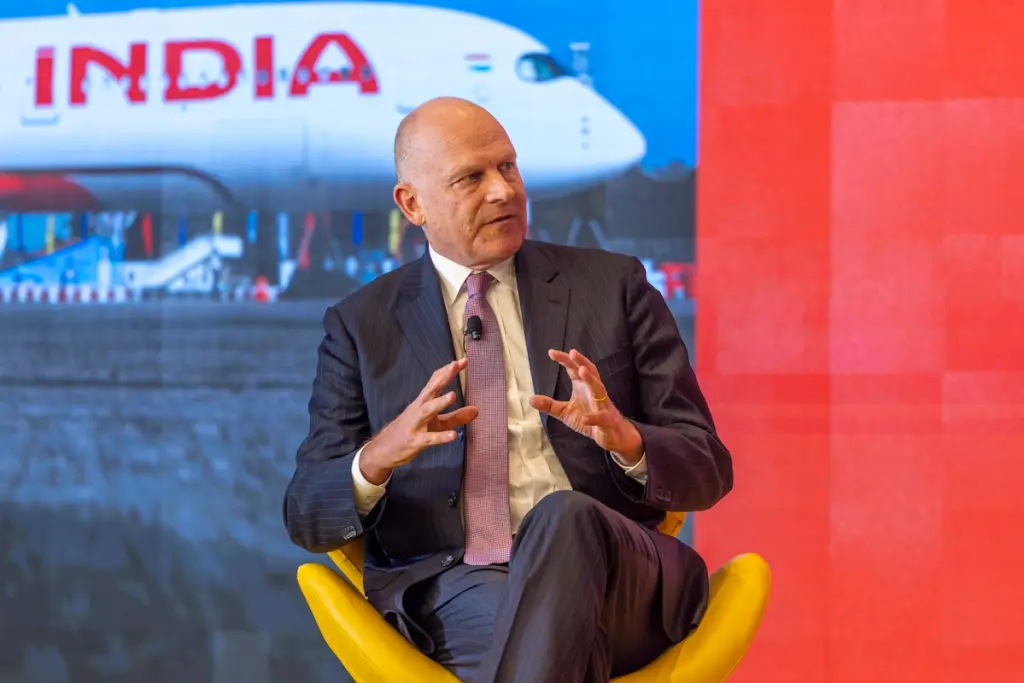
Russia has joined Denmark, Germany, Italy, the Netherlands, Poland, Spain, and other countries in extending visa-free travel access to China. This move is part of a broader strategy to revolutionize China’s tourism and economic growth, opening new horizons for trade and tourism. The article highlights the significance of this development in the context of current travel trends and insights from industry thought leaders. It underscores the growing interconnectedness of global travel markets and the role of visa policies in fostering international tourism and economic cooperation.
Key Points:
Russia has extended visa-free travel access to China, joining a group of countries including Denmark, Germany, Italy, the Netherlands, Poland, and Spain.
This initiative aims to boost China’s tourism and economic growth by facilitating easier travel for citizens of these countries.
The article emphasizes the broader implications of such visa policies on international trade and tourism, positioning it as a key development in the global travel industry.
The move reflects a trend towards more open and interconnected travel markets, driven by economic and cultural exchange considerations.
Actionable Takeaways:
Enhanced Tourism Opportunities for Chinese Travelers: The visa-free access for citizens of Russia and other participating countries is expected to significantly increase tourism flows to China. Travel agencies and tourism boards can leverage this trend by developing targeted marketing campaigns and travel packages to attract visitors from these nations.
Strengthened Economic Ties: By facilitating easier travel, the initiative is likely to stimulate economic activities, including trade and investment, between China and the participating countries. Businesses can explore new market opportunities and partnerships, benefiting from the increased mobility of consumers and business travelers.
Opportunities for Travel Tech Startups: The expansion of visa-free travel policies presents a fertile ground for travel technology startups. Innovations in visa application processes, digital travel documentation, and seamless travel planning tools can capitalize on the heightened demand for convenient travel solutions. Startups can focus on developing platforms that streamline visa applications, offer personalized travel itineraries, and integrate with existing travel booking systems.
Contextual Insights:
The extension of visa-free travel access to China aligns with the current global trend of promoting open borders and enhancing cross-border mobility. This move is part of a larger narrative where countries are recognizing the economic and cultural benefits of facilitating easier travel. As highlighted by industry thought leaders, such policies are crucial in fostering international cooperation and driving economic growth through tourism and trade.
Moreover, the context of recent geopolitical developments and the ongoing recovery of the global travel industry post-pandemic underscores the strategic importance of such initiatives. The travel sector has been one of the hardest hit by the pandemic, and measures like visa-free access are seen as essential in reviving tourism and supporting economic recovery. Thought leaders emphasize that such policies not only benefit travelers but also create opportunities for innovation in travel technology and services.
In summary, Russia’s decision to join other countries in extending visa-free travel to China marks a significant development in the global travel landscape. It presents opportunities for increased tourism, strengthened economic ties, and new avenues for technological innovation within the travel industry. Stakeholders in travel, tourism, and related sectors should closely monitor this trend and explore how they can leverage these changes to their advantage.
Comprehensive Summarization: On Tuesday, three assailants opened fire at police outside a building housing the Israeli Consulate in Istanbul, resulting...