



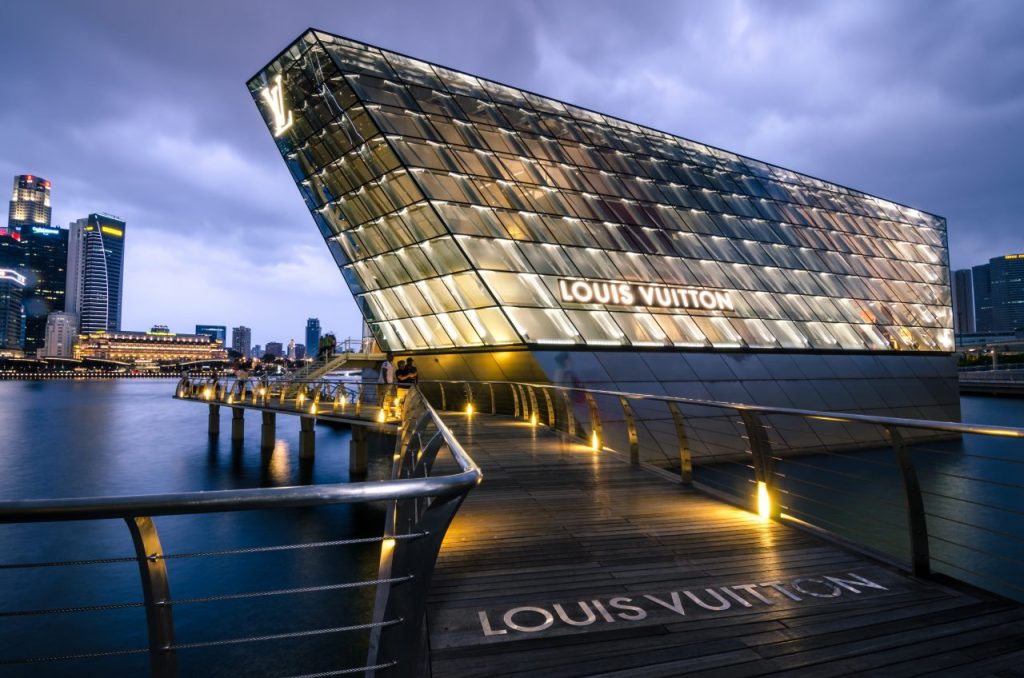


















Travel Capitalist Ventures Expands Check Size to $10 Million to Deepen Emerging Market Conviction
Boutique Travel VC raises investment cap from $1.5M to $10M to lead rounds and support portfolio companies through growth Travel...
Read moreDetails

Seniors the Future of China's Tourism
China’s Golden Age: Elderly Tourists as the Driving Force for Future Travel Growth
China’s rapidly aging population is not merely a demographic trend but a pivotal shift reshaping its domestic and international tourism landscape. Far from being a niche, elderly tourists are emerging as the most significant and financially robust market segment, poised to drive the future growth of the travel industry. For forward-thinking travel professionals, understanding and catering to this ‘silver hair’ demographic is no longer optional, but a strategic imperative.
This demographic, comprising individuals over 60, possesses a unique combination of time, disposable income, and a deep desire for enriching travel experiences. Unlike younger generations, senior travelers often seek cultural immersion, historical exploration, and leisure-paced itineraries that allow for deeper engagement with destinations. Their financial stability, often stemming from pensions and accumulated savings, empowers them to invest in longer, more comfortable, and often higher-value trips. Safety, comfort, and impeccable service are paramount, making them discerning clients who value quality over cost-cutting.
Senior travelers frequently prefer organized group tours, valuing the companionship, convenience, and logistical support provided. Popular destinations include sites rich in history, natural beauty, and cultural significance. There is also a growing demand for health-focused tourism, integrating wellness activities, accessible facilities, and readily available medical assistance. This segment represents a sophisticated traveler looking for value beyond mere sightseeing, prioritizing experiences that contribute to their well-being and intellectual curiosity.
For the travel industry, this presents an unparalleled opportunity. Developing specialized travel products – often termed "silver hair tourism" – with tailored itineraries, accessible accommodations, specialized transportation, and trained guides who understand the specific needs and interests of older adults is crucial. Marketing strategies must resonate with their values, emphasizing safety, cultural enrichment, comfort, and the opportunity for meaningful engagement. Investing in infrastructure and services that support elderly travel is not just socially responsible; it’s a shrewd business move to tap into a continually expanding revenue stream. As this demographic continues to grow, adapting and innovating for the senior traveler will be the hallmark of successful tourism enterprises in China and beyond.
Key Points
Read the Complete Article.
Boutique Travel VC raises investment cap from $1.5M to $10M to lead rounds and support portfolio companies through growth Travel...
Read moreDetails



Comprehensive Summarization: The article reports on Djibouti's presidential election, where incumbent President Ismail Omar Guelleh is expected to secure a...
Read moreDetails
