














Travel Capitalist Ventures Expands Check Size to $10 Million to Deepen Emerging Market Conviction
Boutique Travel VC raises investment cap from $1.5M to $10M to lead rounds and support portfolio companies through growth Travel...
Read moreDetails
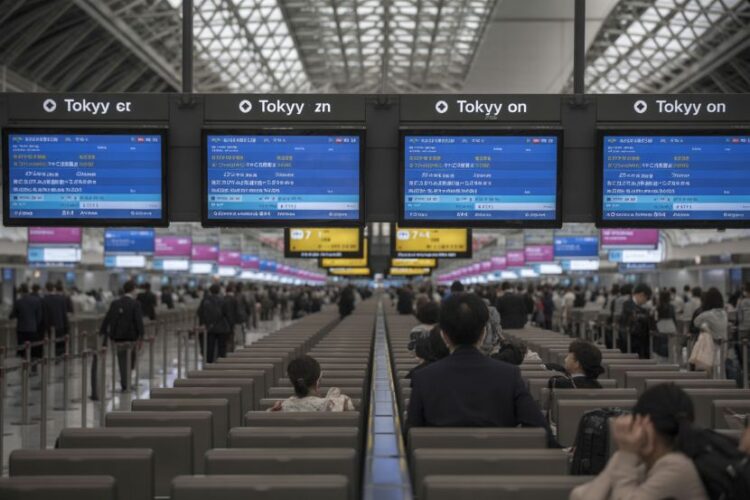
Major Travel Chaos Between China and Japan: Mass Cancellations and Tourism Shifts Hit Osaka, Tokyo, ...
Article Summary:
Recent diplomatic tensions between China and Japan have significantly disrupted travel between the two nations, causing mass cancellations of flights and tours to Japan. This disruption is reshaping the region’s tourism landscape, particularly affecting major cities such as Osaka, Tokyo, Kyoto, Sapporo, and Nagoya. The article highlights the severe impact of political tensions on travel, emphasizing the need for travelers and businesses to reassess their travel plans and strategies in light of these developments.
Key Points:
Actionable Takeaways:
Contextual Insights:
The article reflects the current state of travel between China and Japan, highlighting how diplomatic tensions can rapidly impact travel and tourism. This situation underscores the importance of real-time monitoring of geopolitical developments in the travel industry. The disruption also serves as a reminder of the interconnectedness of global travel networks and the potential for political events to cause widespread travel chaos. For travel startups and fintech companies, this scenario presents both challenges and opportunities, particularly in developing contingency plans and innovative solutions to support travelers during crises.
Handling Different Article Types:
The article in question is a news blurb, providing factual information about recent travel disruptions due to diplomatic tensions. The structured output format ensures clarity and relevance for a professional audience, focusing on actionable insights and contextual understanding derived directly from the article’s content.
Read the Complete Article.
Boutique Travel VC raises investment cap from $1.5M to $10M to lead rounds and support portfolio companies through growth Travel...
Read moreDetails



Comprehensive Summarization: The World Travel & Tourism Council (WTTC) has announced the addition of Allianz Partners as its newest industry...
Read moreDetails
