



















Travel Capitalist Ventures Expands Check Size to $10 Million to Deepen Emerging Market Conviction
Boutique Travel VC raises investment cap from $1.5M to $10M to lead rounds and support portfolio companies through growth Travel...
Read moreDetails
Air India Increases its Flight Frequency with More than Two Hundred New Additional Flights to Offset...
Article Summary:
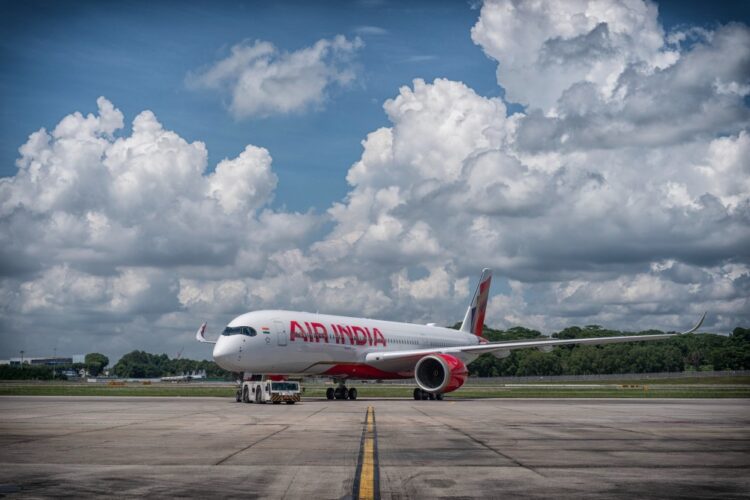
Air India has announced an increase in its flight frequency by more than two hundred additional flights in December 2025. This move is in response to the Indian government’s directive to IndiGo, India’s largest airline, to reduce its flight capacities by 10 percent. The additional flights are aimed at maintaining a balanced air transport network during peak tourist season, ensuring that the reduction in IndiGo’s capacities does not significantly impact overall air traffic and aviation growth in India.
Key Points:
Actionable Takeaways:
Contextual Insights:
The article reflects the ongoing challenges and adaptations within the Indian aviation sector, particularly in response to government directives aimed at balancing air traffic and supporting economic growth. The strategic increase in flight frequency by Air India is a clear example of how airlines are navigating regulatory pressures while aiming to support broader industry goals. This context is crucial for understanding the broader implications of such decisions on the travel industry, especially in a peak tourist season where air travel demand is high. Furthermore, the article underscores the importance of regulatory compliance and strategic planning in maintaining industry stability and growth, offering valuable insights for industry stakeholders and thought leaders.
Read the Complete Article.
Boutique Travel VC raises investment cap from $1.5M to $10M to lead rounds and support portfolio companies through growth Travel...
Read moreDetails




