

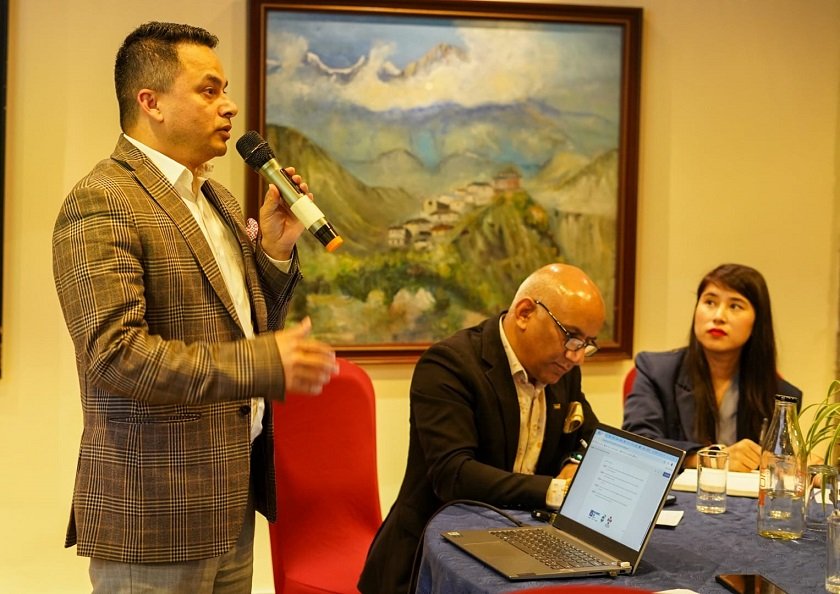















Travel Capitalist Ventures Expands Check Size to $10 Million to Deepen Emerging Market Conviction
Boutique Travel VC raises investment cap from $1.5M to $10M to lead rounds and support portfolio companies through growth Travel...
Read moreDetails
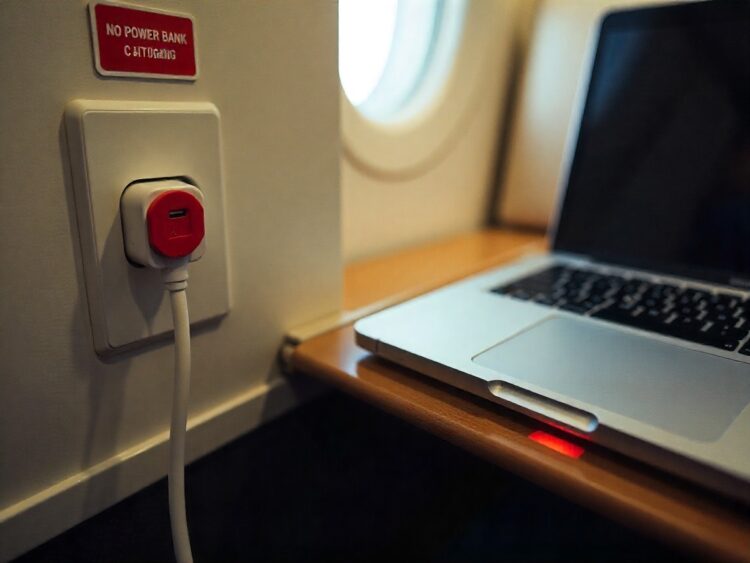
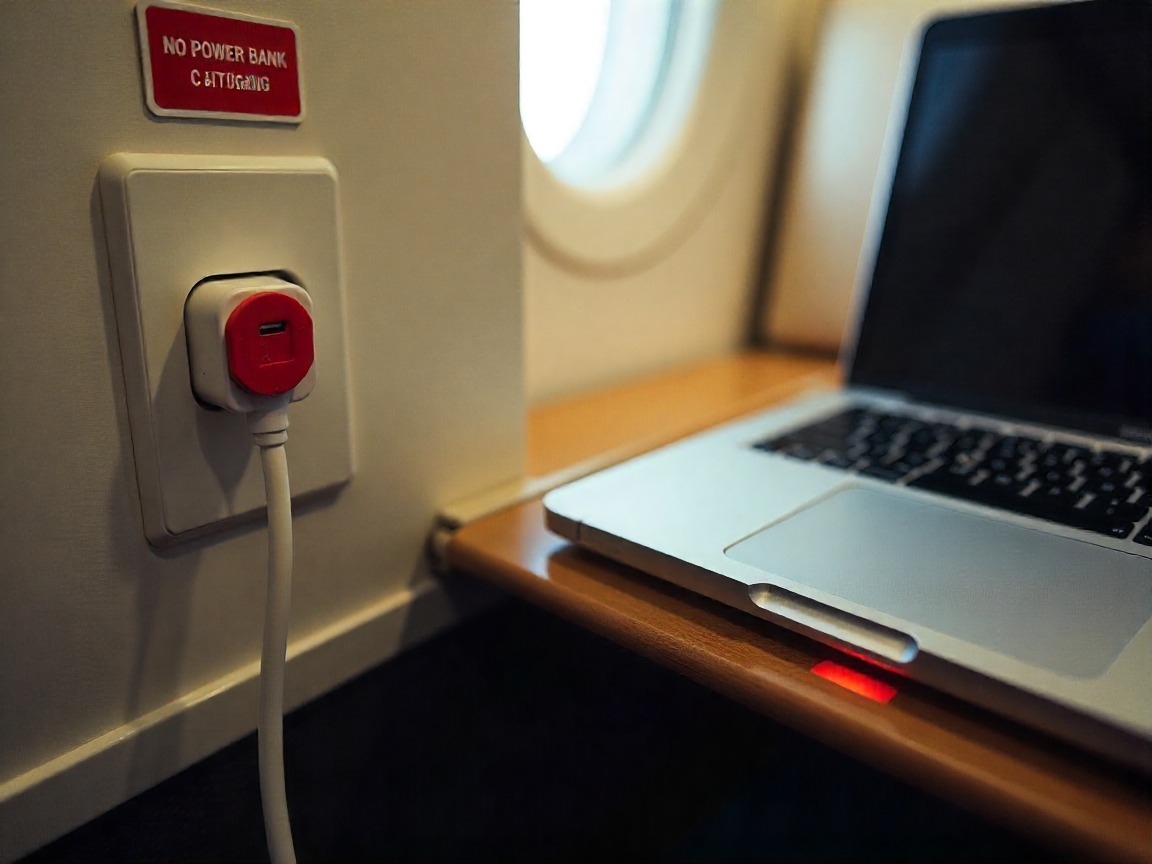
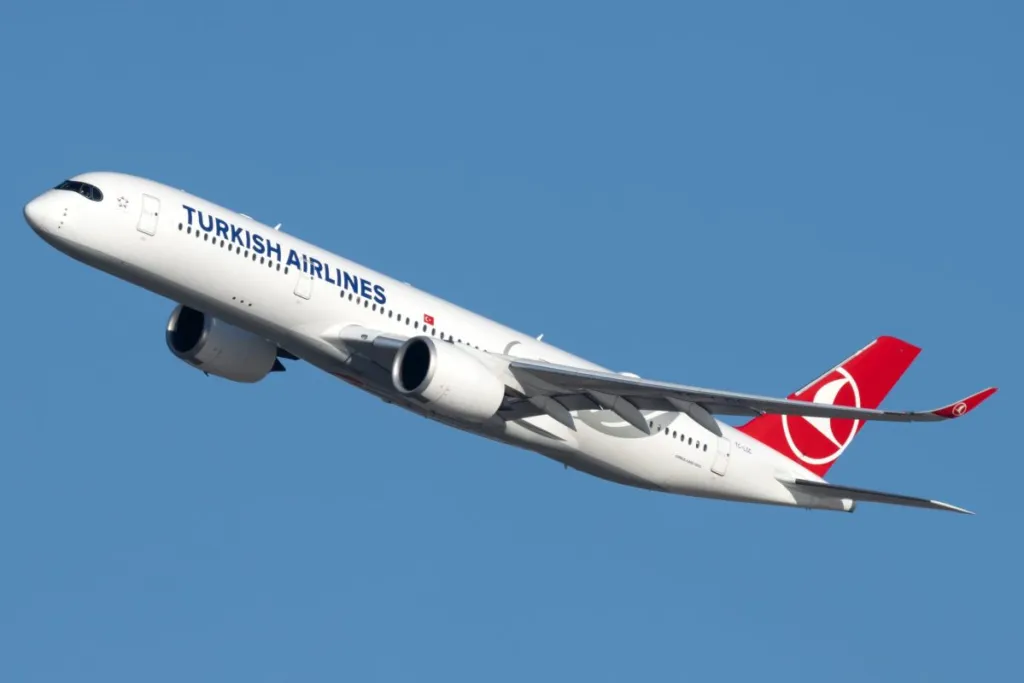
Air India, Emirates, and Singapore Airlines Ban Power Bank Charging on Flights—Here’s Why Travelers ...
Article Summary:
Air India, Emirates, and Singapore Airlines have implemented a new advisory issued by the Directorate General of Civil Aviation (DGCA) in India, which bans the use of power banks to charge devices during flights. This decision is aimed at addressing the growing risks associated with lithium-ion batteries commonly found in power banks. The move has sparked significant backlash from travelers, particularly those from the US, UK, and Canada, who find it an inconvenient shift in aviation safety protocols.
Key Points:
Actionable Takeaways:
Contextual Insights:
The ban on power bank charging during flights reflects a broader industry trend towards enhanced safety measures in response to technological advancements and evolving risks. Recent events, such as incidents involving lithium-ion battery malfunctions, have prompted regulatory bodies like the DGCA to take proactive steps. This move aligns with the growing emphasis on passenger safety and regulatory compliance in the aviation sector. Looking forward, the industry may see further innovations in battery technology and safety protocols, driven by the need to balance stringent safety regulations with the evolving needs and expectations of modern travelers. The response from international travelers underscores the importance of considering passenger experience in the development and implementation of such safety measures.
Read the Complete Article.
Boutique Travel VC raises investment cap from $1.5M to $10M to lead rounds and support portfolio companies through growth Travel...
Read moreDetails



Given the constraints of the task and the lack of a specific article content to analyze, I'll provide a structured...
Read moreDetails
