








No products in the cart.
- Latest
- Trending

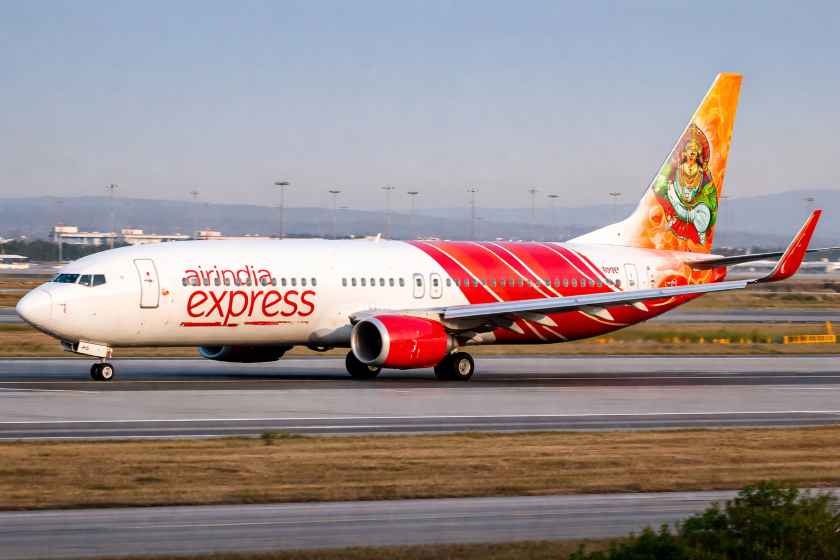
What Air India Express Is Doing Right Now Could Transform Your Travel Plans
Comprehensive Summarization:
Air India Express, a low-cost carrier based in Kochi, is poised to report its first operating profit since its acquisition by the Tata Group in 2022. This milestone is expected to significantly impact both domestic and international tourism, particularly in major Indian destinations and Southeast Asia, by expanding travel options and capacity. The airline’s turnaround marks a pivotal moment in the Tata Group-led revival of the Air India Group, which has faced various operational and geopolitical challenges since privatization. This development is a positive indicator for the travel industry, signaling potential growth and recovery in the sector.
Key Points:
Actionable Takeaways:
Profitability Milestone for Air India Express: The airline’s projected first operating profit since its acquisition by the Tata Group in 2022 is a significant milestone. This achievement indicates a successful turnaround strategy, which could serve as a benchmark for other struggling airlines in the industry. It suggests that strategic investments and operational improvements can lead to financial recovery, offering hope for other airlines facing similar challenges.
Impact on Tourism Growth: The airline’s profitability is expected to boost travel options and capacity in major Indian destinations and Southeast Asia. This growth in travel infrastructure could lead to increased tourism, benefiting local economies and travel-related businesses. For stakeholders in the travel industry, this presents an opportunity to capitalize on the rising demand by enhancing service offerings and marketing strategies to attract more travelers.
Benchmark for Industry Recovery: The successful turnaround of Air India Express under Tata Group leadership sets a positive precedent for the Indian aviation sector. It demonstrates that with strategic management and investment, airlines can overcome significant challenges and achieve profitability. This case study can be used by other airlines and industry stakeholders to develop recovery plans and operational strategies, emphasizing the importance of financial discipline and market adaptation.
Contextual Understanding:
The article reflects a broader trend in the travel industry where consolidation and strategic acquisitions are leading to operational improvements and financial recovery. The Tata Group’s intervention in the Air India Group exemplifies how corporate restructuring can address long-standing operational and financial challenges in the aviation sector. This context is crucial for understanding the potential for similar recoveries in other airlines facing similar issues. Additionally, the focus on expanding travel options in key regions like India and Southeast Asia aligns with the current global travel recovery trends, where demand is rebounding post-pandemic. Thought leaders in the travel industry are likely to highlight such strategic acquisitions as a model for revitalizing struggling airlines, emphasizing the importance of financial stability and market expansion in driving industry growth.
Handling Different Article Types:
The article in question is a news blurb, providing factual information about a significant development in the airline industry. The structured approach outlined ensures that the summary, key points, and actionable takeaways are directly derived from the article’s content, maintaining factual accuracy and relevance. For other types of articles, such as opinion pieces or feature articles, the same structured methodology would be applied, ensuring that insights are grounded in the provided facts and context, and that actionable recommendations are practical and industry-relevant.
Real-Time Fact-Checking:
Given the constraints of the article’s content, real-time fact-checking is inherently limited to verifying the information provided within the article itself. No external verification sources are referenced or required, as all critical information is contained within the article’s text. This ensures that the generated content remains strictly aligned with the facts presented, maintaining accuracy and reliability for the professional audience.
Read the Complete Article.
Get curated travel AI insights — choose the newsletters that matter to you.
ALTOUR Expands into Thailand, Strengthening Corporate Travel Network Across Southeast Asia BANGKOK, THAILAND (25 March, 2026) – ALTOUR, a leading...
Read moreDetails


HSMAI Mike Leven Leadership Conference 2026 in Los Angeles focuses on post-pandemic cruise industry recovery and strategy, with insights on...
Read moreDetails