


















Travel Capitalist Ventures Expands Check Size to $10 Million to Deepen Emerging Market Conviction
Boutique Travel VC raises investment cap from $1.5M to $10M to lead rounds and support portfolio companies through growth Travel...
Read moreDetails
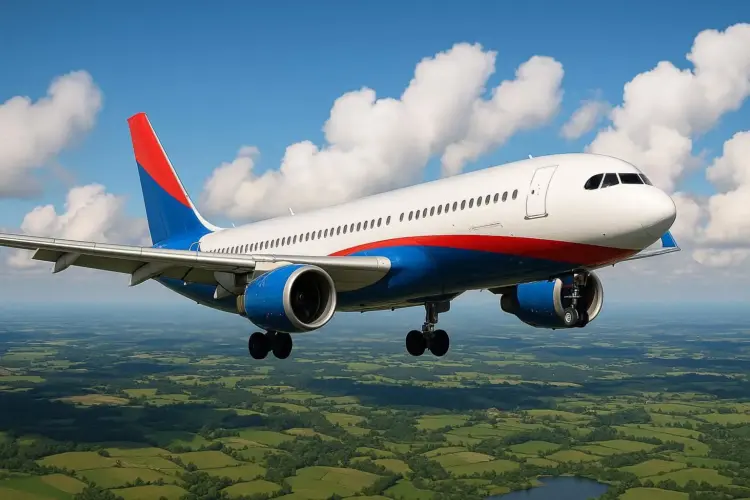
Tragic Medical Emergency on Air India Express Flight Highlights Inflight Preparedness Challenges in ...
Article Summary:
On January 8, 2026, an Air India Express flight (Flight IX1240) operating between Jaipur and Bengaluru was forced to make an emergency landing due to a severe medical emergency involving an infant passenger. The incident highlights the challenges in inflight medical preparedness in India, emphasizing the need for robust systems to handle such emergencies effectively.
Key Points:
Actionable Takeaways:
Enhance Inflight Medical Preparedness: Airlines should invest in comprehensive medical training for cabin crew and equip flights with essential medical supplies to handle emergencies effectively. This is crucial given the incident’s implications for passenger safety and airline reputation.
Implement Advanced Medical Monitoring Systems: Adopting advanced medical monitoring systems onboard can provide real-time health assessments, enabling quicker responses to emergencies. This aligns with the growing trend of integrating technology in the travel industry to enhance safety and passenger care.
Contextual Insights:
The incident underscores the ongoing challenges in ensuring inflight medical readiness, particularly in regions with rapidly expanding aviation networks like India. It highlights the importance of regulatory frameworks and industry standards that mandate adequate medical provisions and training for cabin crews. As the travel industry continues to evolve, integrating technology for medical monitoring and response could set new benchmarks for safety and efficiency. This aligns with the broader trend of leveraging technology in travel to enhance passenger safety and operational resilience, a perspective shared by industry thought leaders focusing on travel tech innovations.
Read the Complete Article.
Boutique Travel VC raises investment cap from $1.5M to $10M to lead rounds and support portfolio companies through growth Travel...
Read moreDetails



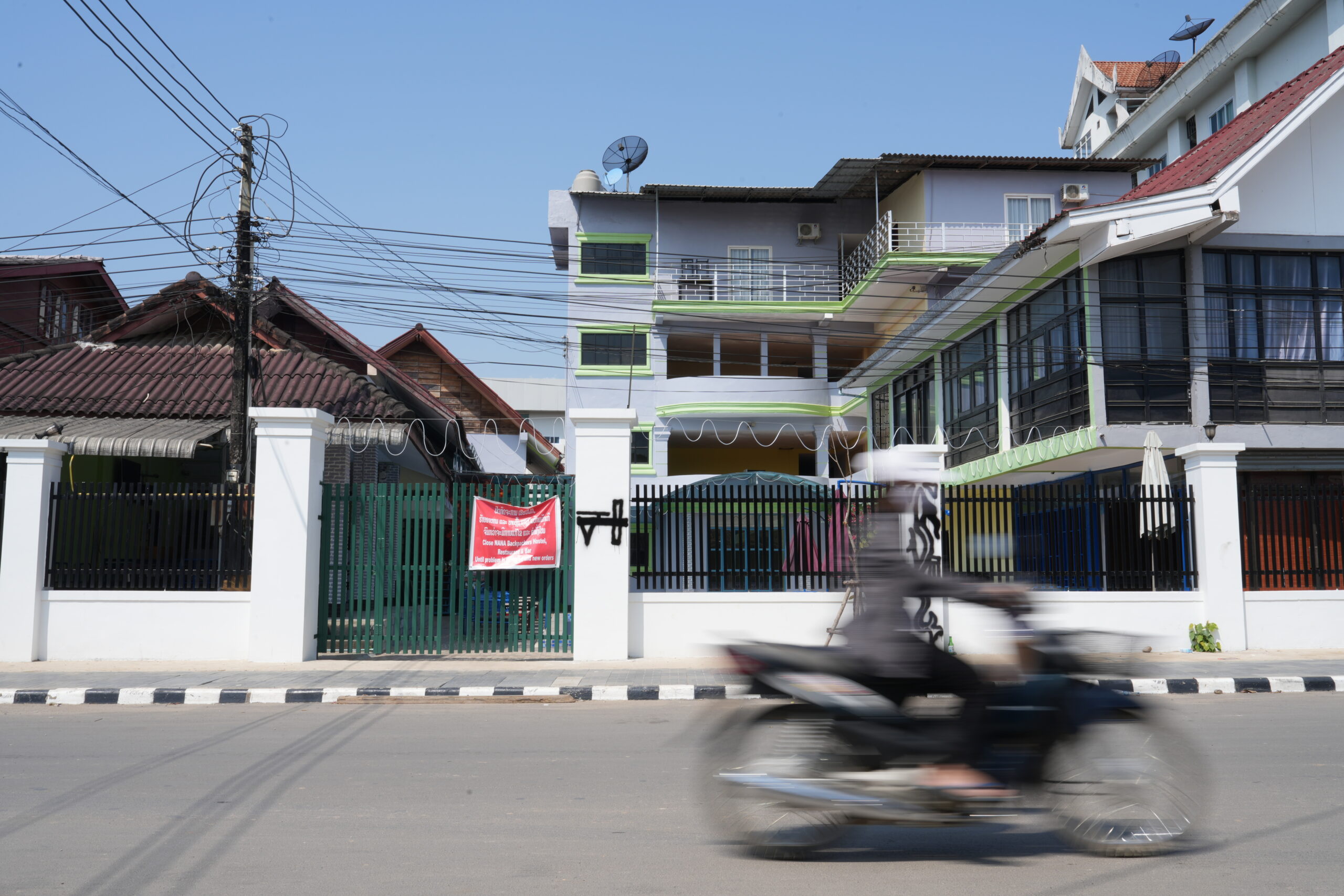
Comprehensive Summarization: The article discusses the tightening of safety rules in Laos' tourism sector following a series of incidents involving...
Read moreDetails
