




















Travel Capitalist Ventures Expands Check Size to $10 Million to Deepen Emerging Market Conviction
Boutique Travel VC raises investment cap from $1.5M to $10M to lead rounds and support portfolio companies through growth Travel...
Read moreDetails
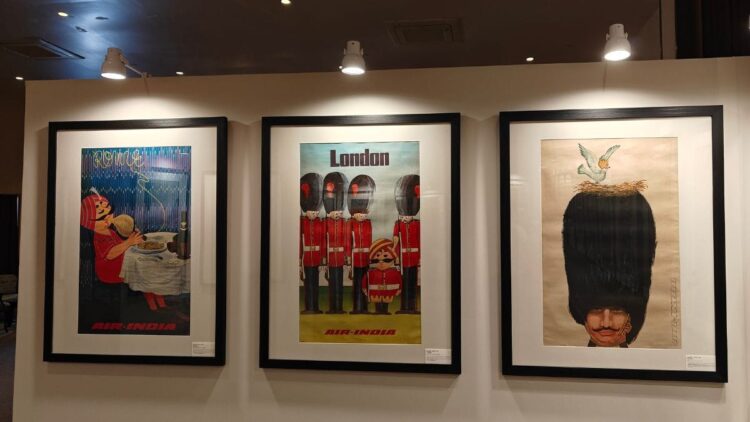
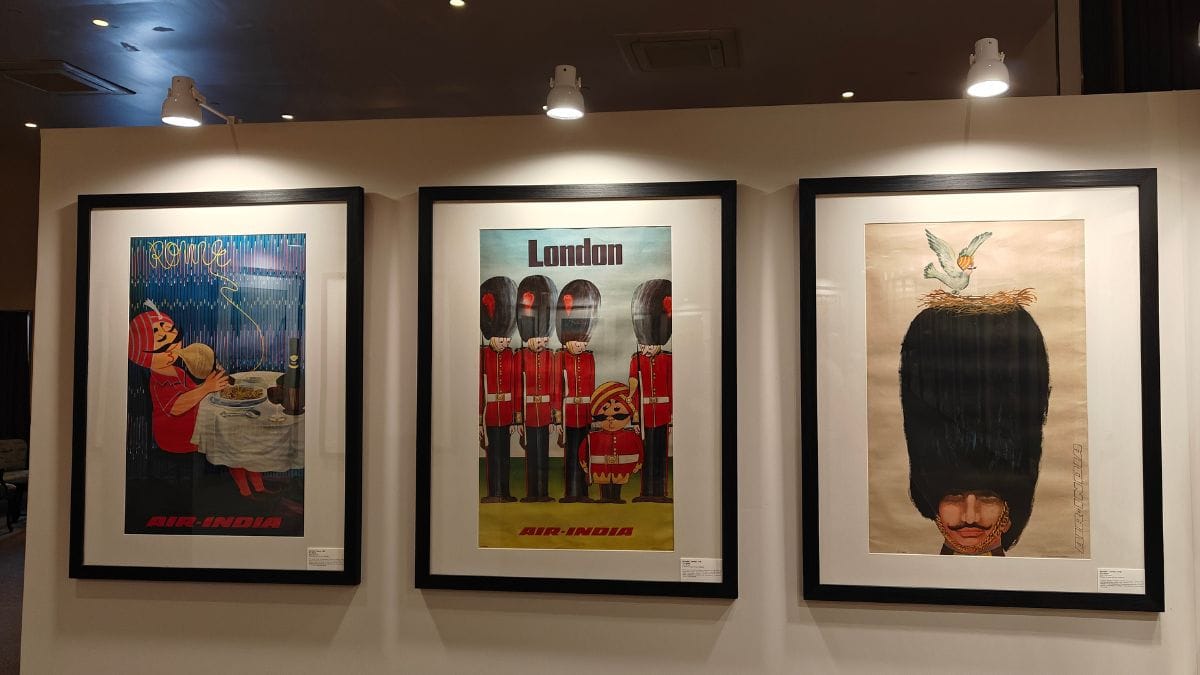
The vintage Air India posters were curated over the course of five years. | Tina Das | ThePrint
Article Summary:
The article highlights a vintage poster exhibition at the Heritage Transport Museum in Gurugram, showcasing 55 posters commissioned by Air India in the 1970s. The exhibition marks the museum’s 12th year and features posters that advertise Air India’s flights to London. One of the notable posters depicts King’s Guards looking at an impostor, Maharaja, who is wearing a turban instead of the Buckingham Palace guards’ bearskin hats. The posters, painted by VV Shetye, are part of the museum’s collection, attracting journalists and art enthusiasts.
Key Points:
Actionable Takeaways:
Contextual Insights:
The exhibition of vintage Air India posters reflects broader trends in travel advertising, where visual storytelling plays a crucial role in brand identity and customer engagement. In the current travel industry, characterized by digital dominance and evolving consumer expectations, the value of physical exhibitions cannot be understated. They offer a tangible connection to the past, allowing audiences to appreciate the evolution of travel marketing. Moreover, the museum’s role in showcasing such historical artifacts highlights the growing appreciation for cultural heritage in the travel sector. As the industry continues to innovate with digital platforms, there is a renewed interest in tangible experiences that offer a break from the virtual, making exhibitions like these relevant and impactful for both travelers and industry stakeholders.
Read the Complete Article.
Boutique Travel VC raises investment cap from $1.5M to $10M to lead rounds and support portfolio companies through growth Travel...
Read moreDetails




