


















Travel Capitalist Ventures Expands Check Size to $10 Million to Deepen Emerging Market Conviction
Boutique Travel VC raises investment cap from $1.5M to $10M to lead rounds and support portfolio companies through growth Travel...
Read moreDetails
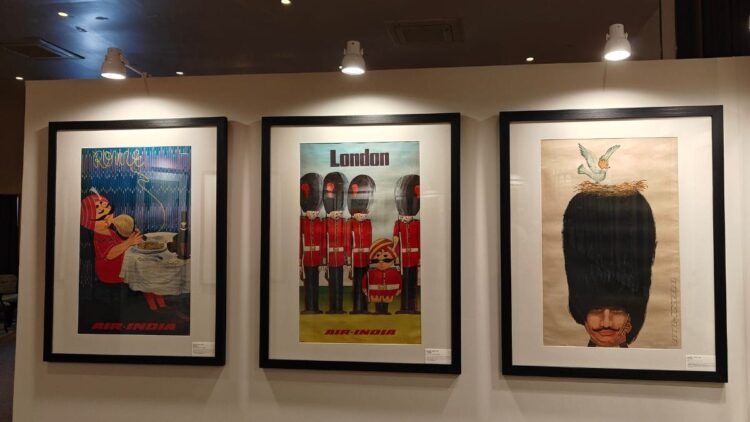
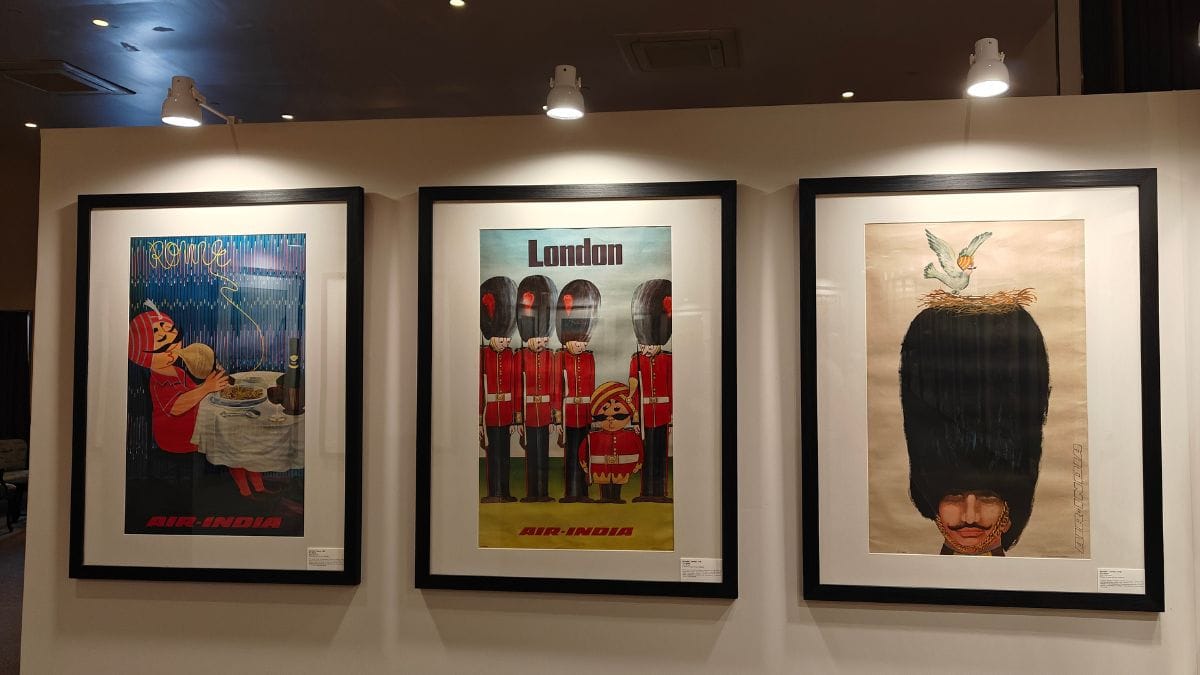
The vintage Air India posters were curated over the course of five years. | Tina Das | ThePrint
Article Summary:
The article highlights a vintage poster exhibition at the Heritage Transport Museum in Gurugram, showcasing 55 posters commissioned by Air India in the 1970s. The exhibition commemorates the museum’s 12th anniversary and features two notable posters from 1976 and 1978, which advertise Air India’s flights to London. These posters, painted by VV Shetye, depict King’s Guards and the airline’s mascot Maharaja in various creative scenarios, reflecting the airline’s branding and promotional strategies of the era.
Key Points:
Actionable Takeaways:
Contextual Insights:
The exhibition of vintage Air India posters at the Heritage Transport Museum reflects broader trends in the travel industry, such as the growing appreciation for historical artifacts and the importance of branding in shaping consumer perceptions. In the current context, where digital travel experiences dominate, there is a renewed interest in tangible, historical elements that offer a contrast to virtual interactions. This trend aligns with insights from travel industry thought leaders who emphasize the value of nostalgia and authenticity in marketing strategies. Furthermore, the exhibition highlights the potential for travel startups and fintech innovations to capitalize on nostalgia by integrating historical branding elements into modern travel experiences, potentially attracting a niche market of history enthusiasts and brand loyalists.
Read the Complete Article.
Boutique Travel VC raises investment cap from $1.5M to $10M to lead rounds and support portfolio companies through growth Travel...
Read moreDetails




