




















Travel Capitalist Ventures Expands Check Size to $10 Million to Deepen Emerging Market Conviction
Boutique Travel VC raises investment cap from $1.5M to $10M to lead rounds and support portfolio companies through growth Travel...
Read moreDetails

Air India Express Pilot Arrest at Delhi Airport Raises Aviation Conduct Concerns in India Travel Sec...
Article Summary:
An incident involving an off-duty Air India Express pilot at Indira Gandhi International Airport in New Delhi has raised concerns about aviation conduct within India’s travel sector. The pilot was arrested and later granted bail following an alleged assault on a SpiceJet passenger while he was traveling privately. This event has sparked discussions about airport security, aviation professionalism, and the broader implications for India’s aviation industry.
Key Points:
Actionable Takeaways:
Contextual Insights:
The incident underscores the ongoing challenges faced by the aviation industry in maintaining high standards of professionalism and security. With India’s travel sector experiencing significant growth, it is crucial for stakeholders to address these concerns proactively. The development highlights the importance of balancing operational efficiency with ethical standards, particularly in roles that involve public trust and safety. As the industry continues to evolve, integrating advanced technologies for monitoring and compliance could play a pivotal role in preventing similar incidents. Thought leaders in the travel sector are likely to emphasize the need for a holistic approach that combines regulatory frameworks, technological solutions, and cultural shifts towards accountability and responsibility among aviation professionals.
Read the Complete Article.
Boutique Travel VC raises investment cap from $1.5M to $10M to lead rounds and support portfolio companies through growth Travel...
Read moreDetails



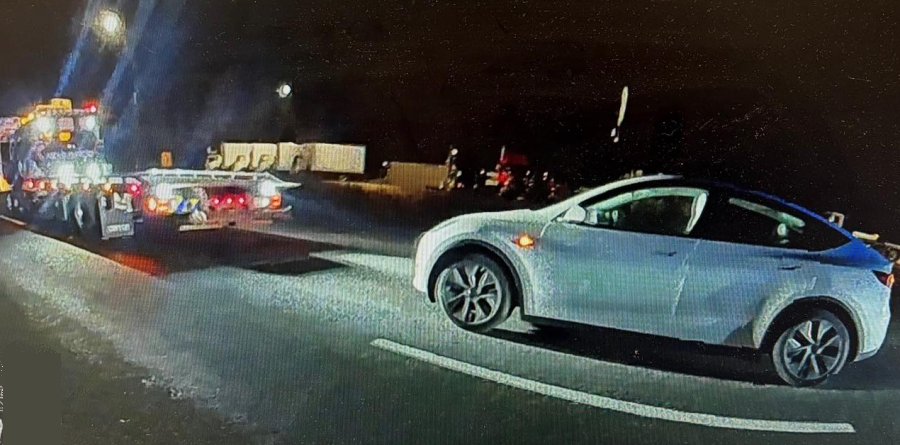
Comprehensive Summarization: On April 7th, around 10 PM, troopers from the Newbury Barracks received 911 calls about a disabled vehicle...
Read moreDetails
