


















Travel Capitalist Ventures Expands Check Size to $10 Million to Deepen Emerging Market Conviction
Boutique Travel VC raises investment cap from $1.5M to $10M to lead rounds and support portfolio companies through growth Travel...
Read moreDetails
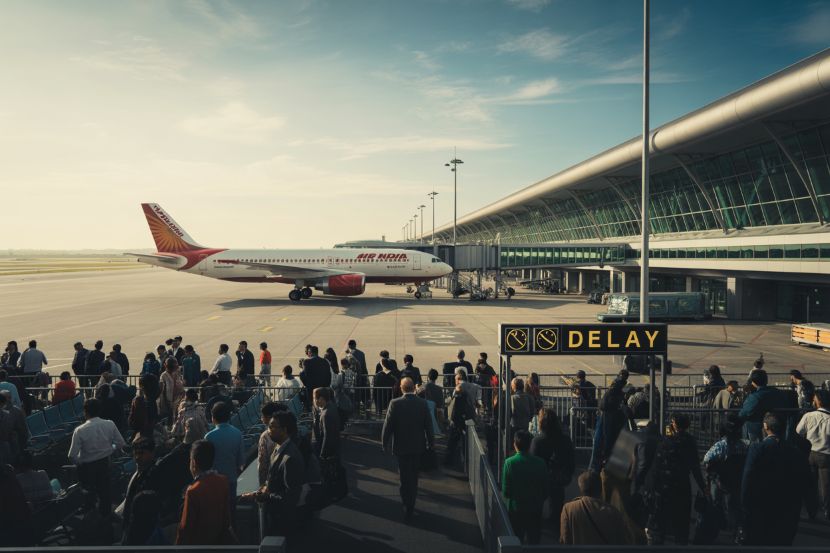
Air India Faces Flight Suspension Risk After Pilot Arrested in Vancouver, Delays Delhi-Bound Tourist...
Article Summary:
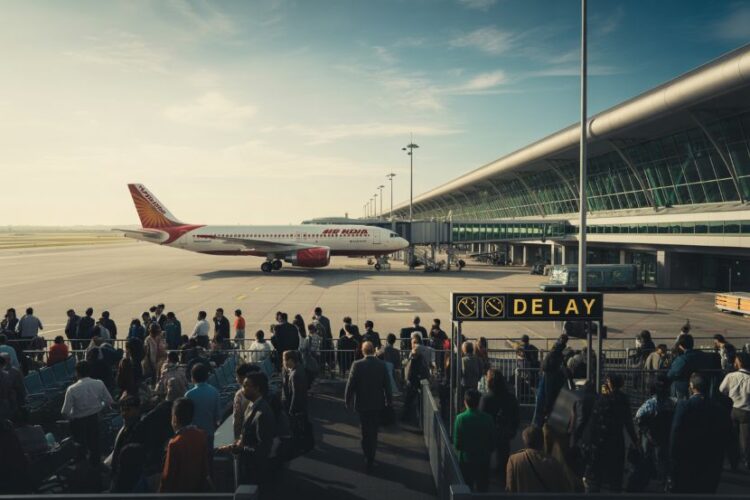
Air India faces a significant risk of flight suspension after a pilot was arrested in Vancouver for alcohol consumption, raising concerns over the airline’s compliance with Canadian aviation regulations. The incident occurred on December 23, 2025, at Vancouver International Airport, where the pilot failed a breathalyzer test before a scheduled flight to Delhi. This event highlights potential lapses in pilot safety protocols and underscores the importance of stringent adherence to aviation regulations to maintain flight authorizations.
Key Points:
Actionable Takeaways:
Contextual Insights:
The incident at Vancouver International Airport is a stark reminder of the critical importance of pilot safety and regulatory compliance in the aviation industry. Recent trends indicate a growing emphasis on safety technologies and regulatory scrutiny, driven by increasing passenger expectations and global safety standards. Innovations in aviation safety, such as AI-driven monitoring systems and enhanced pilot training programs, are becoming increasingly prevalent. Air India’s situation highlights the need for airlines to adopt these advancements to stay competitive and compliant. Furthermore, the incident could prompt broader discussions within the industry about the role of technology in enhancing safety and the potential for startups to develop solutions that address pilot safety and regulatory compliance challenges.
Read the Complete Article.
Boutique Travel VC raises investment cap from $1.5M to $10M to lead rounds and support portfolio companies through growth Travel...
Read moreDetails



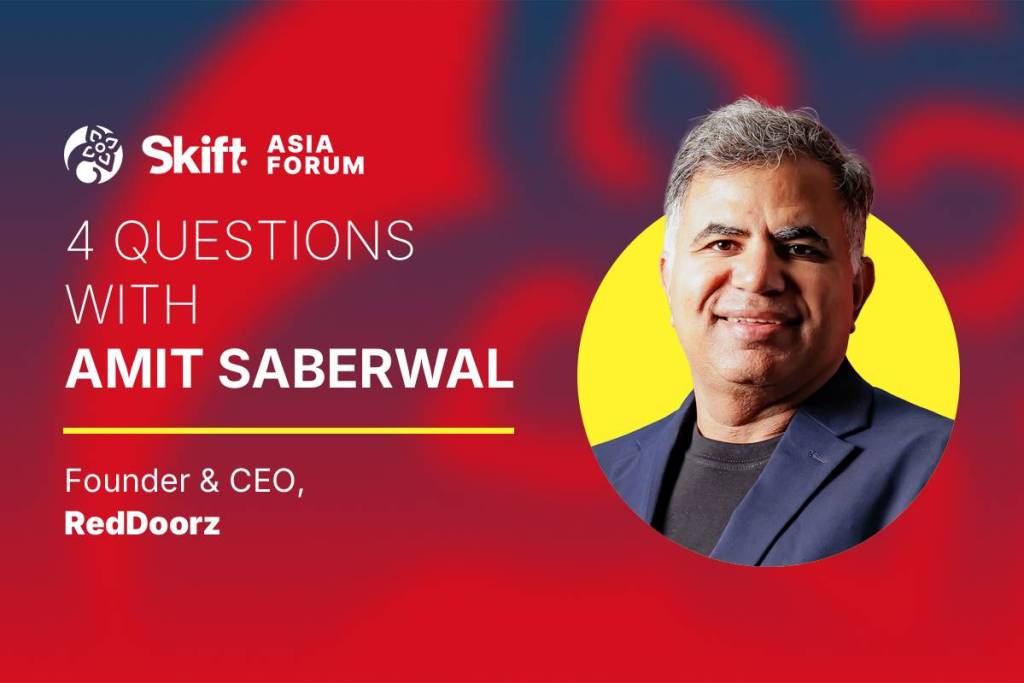
Jakarta, Indonesia — June 12, 2026 In short: RedDoorz CEO Amit Saberwal discusses scaling budget hospitality in Southeast Asia at...
Read moreDetails
