



















Travel Capitalist Ventures Expands Check Size to $10 Million to Deepen Emerging Market Conviction
Boutique Travel VC raises investment cap from $1.5M to $10M to lead rounds and support portfolio companies through growth Travel...
Read moreDetails
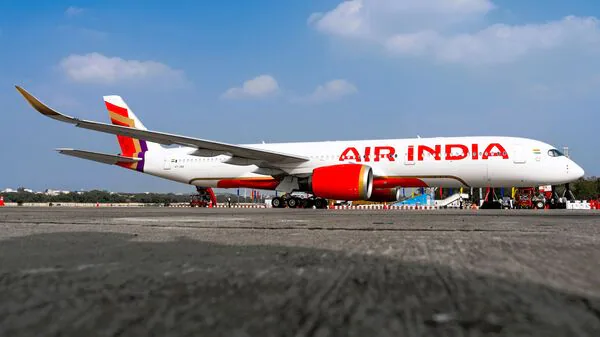
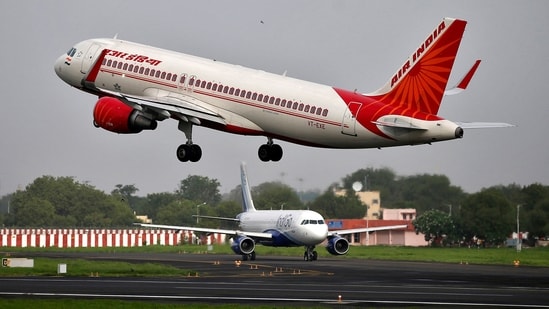
Air India restores New Delhi-Tel Aviv flights
Article Summary:
Air India has resumed non-stop flights between India and Tel Aviv, marking the return of direct air connectivity between the two countries. This decision comes after a suspension in June 2025 due to geopolitical tensions in the Middle East. The resumption is anticipated to stimulate tourism, business travel, and economic exchanges between India and Israel, which had been adversely affected by the earlier flight suspensions.
Key Points:
Actionable Takeaways:
Contextual Insights:
The resumption of direct flights between India and Israel is a significant development in the context of the current geopolitical climate and travel industry trends. Recent events, such as the escalation of tensions in the Middle East, have underscored the importance of safe and reliable air connectivity. This development aligns with broader industry trends towards enhancing connectivity and fostering economic ties across regions. Moreover, the move reflects a strategic response to the growing demand for direct travel options, driven by the increasing preference for direct flights among consumers. As travel tech continues to evolve, innovations in this space will play a crucial role in optimizing the travel experience, making it more efficient and convenient for passengers.
Read the Complete Article.
Boutique Travel VC raises investment cap from $1.5M to $10M to lead rounds and support portfolio companies through growth Travel...
Read moreDetails



Comprehensive Summarization: VINCI Airports has reaffirmed its commitment to collaborating with the Royal Government of Cambodia to further develop the...
Read moreDetails