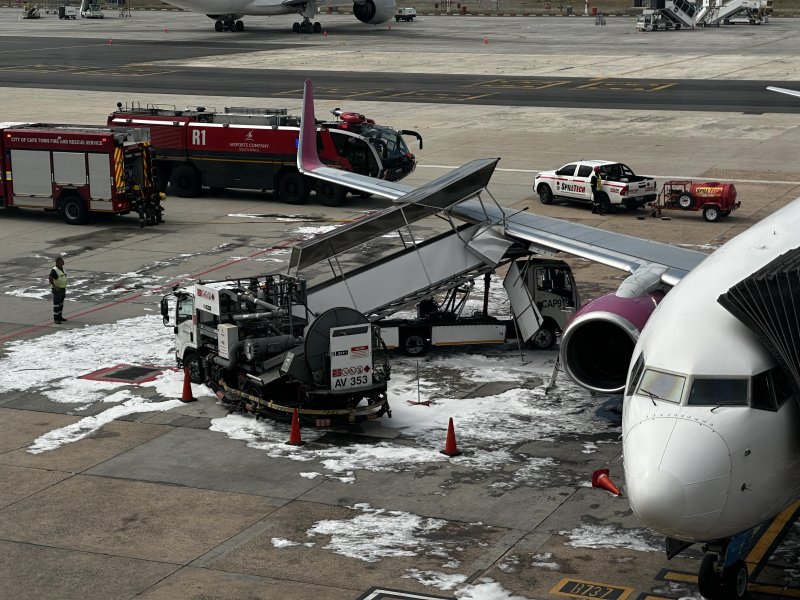
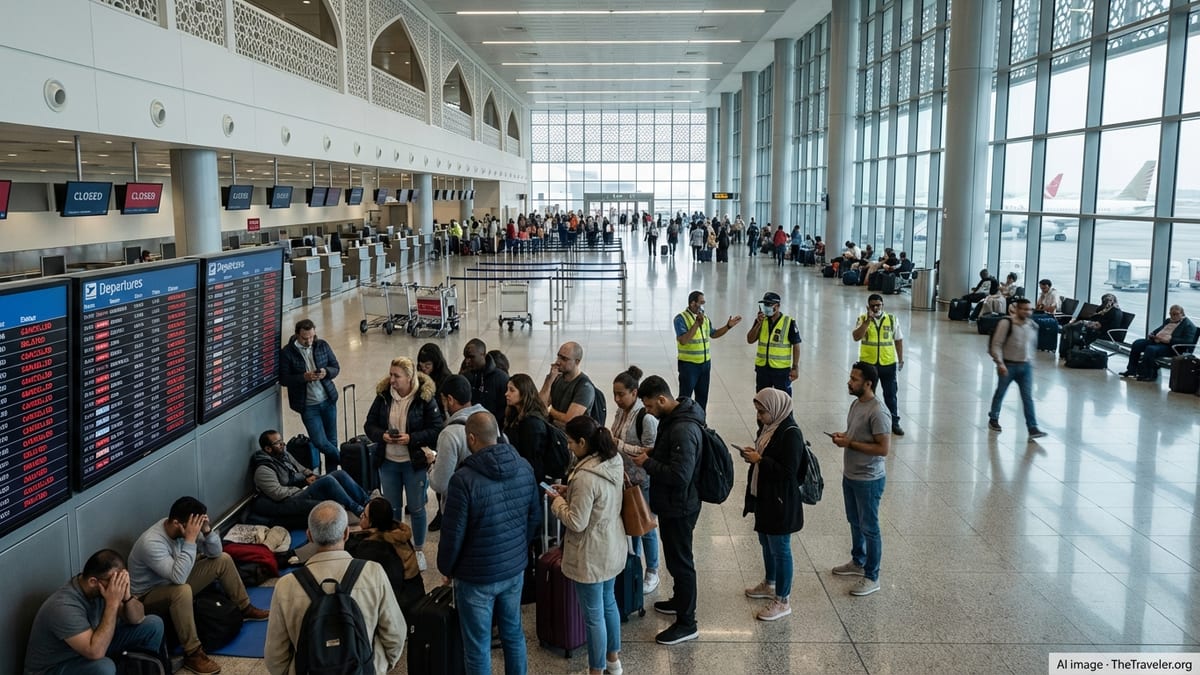
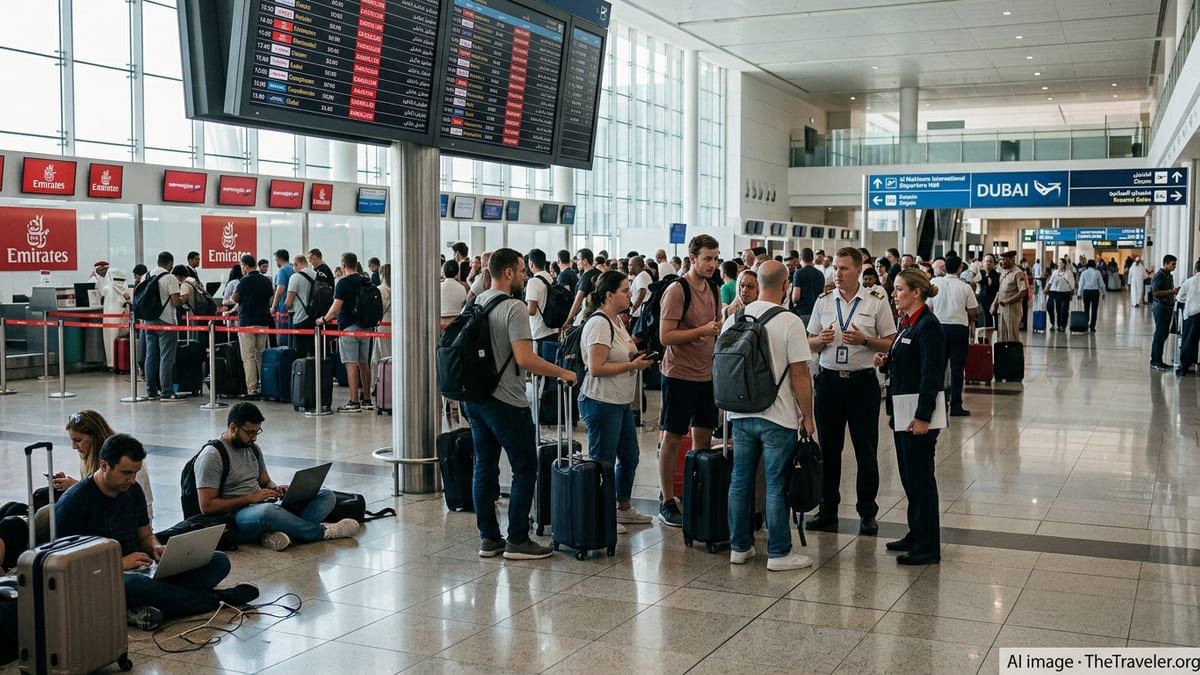
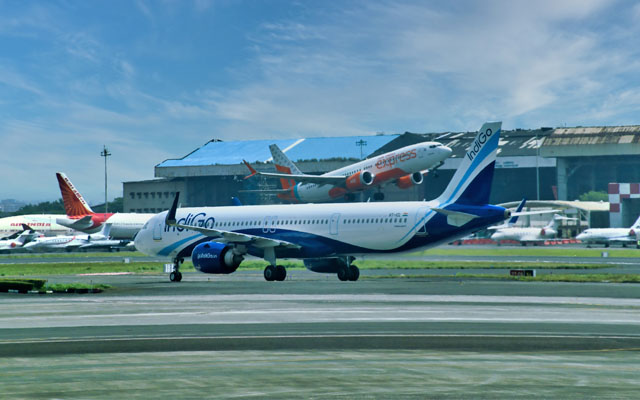
Air India has joined a growing list of airlines, including Delta, British Airways, Lufthansa, ITA, and Cathay Pacific, in suspending flights to Dubai, Tel Aviv, Amman, and Doha due to the escalating conflict in the UAE, Israel, Bahrain, and beyond. This move reflects the broader impact of geopolitical tensions on international travel, particularly in the Middle East. The article highlights the challenges faced by the travel industry in navigating such crises, emphasizing the need for flexibility and adaptability in travel planning and operations. It also underscores the importance of real-time communication and contingency planning for travelers and airlines alike.
Key Points:
Air India, along with several other major airlines, has suspended flights to several Middle Eastern destinations due to escalating conflicts.
The conflict in the UAE, Israel, Bahrain, and beyond is significantly impacting international travel, particularly in the Middle East region.
The article emphasizes the broader implications of geopolitical tensions on the travel industry, highlighting the need for adaptability and contingency planning.
It underscores the importance of real-time communication and flexibility in travel planning amidst crises.
Actionable Takeaways:
Flexible Travel Policies: Airlines and travel agencies should implement flexible cancellation and rescheduling policies to accommodate travelers affected by geopolitical crises. This approach not only enhances customer satisfaction but also mitigates financial losses due to last-minute cancellations.
Real-Time Communication: Airlines should enhance their communication strategies to keep passengers informed about any changes or disruptions in their travel plans. Real-time updates can help manage traveler expectations and reduce anxiety during uncertain times.
Invest in Travel Tech Solutions: The travel industry should invest in advanced travel technology solutions that facilitate real-time tracking of travel advisories, flight status updates, and alternative routing options. This can improve operational efficiency and enhance the traveler experience during crises.
Contextual Insights:
The suspension of flights by Air India and other airlines in response to the escalating conflict in the Middle East underscores the vulnerability of the travel industry to geopolitical events. This situation highlights the critical need for the industry to develop robust contingency plans that can swiftly adapt to rapidly changing circumstances. The article also points to the growing importance of travel technology in managing crises, suggesting that innovations in travel tech, such as real-time tracking systems and flexible booking platforms, are becoming essential tools for navigating uncertainty. As geopolitical tensions continue to shape global travel patterns, stakeholders in the travel industry must remain vigilant and proactive in their responses to ensure the safety and satisfaction of travelers.
Comprehensive Summarization: The article highlights the upcoming Thingyan Festival in Myanmar, scheduled for April 2026, as an extraordinary cultural experience....