






No products in the cart.
- Latest
- Trending

World Bank President Ajay Banga Says Trade Deals Must Not Harm Domestic Industries On Either Side
Comprehensive Summarization:
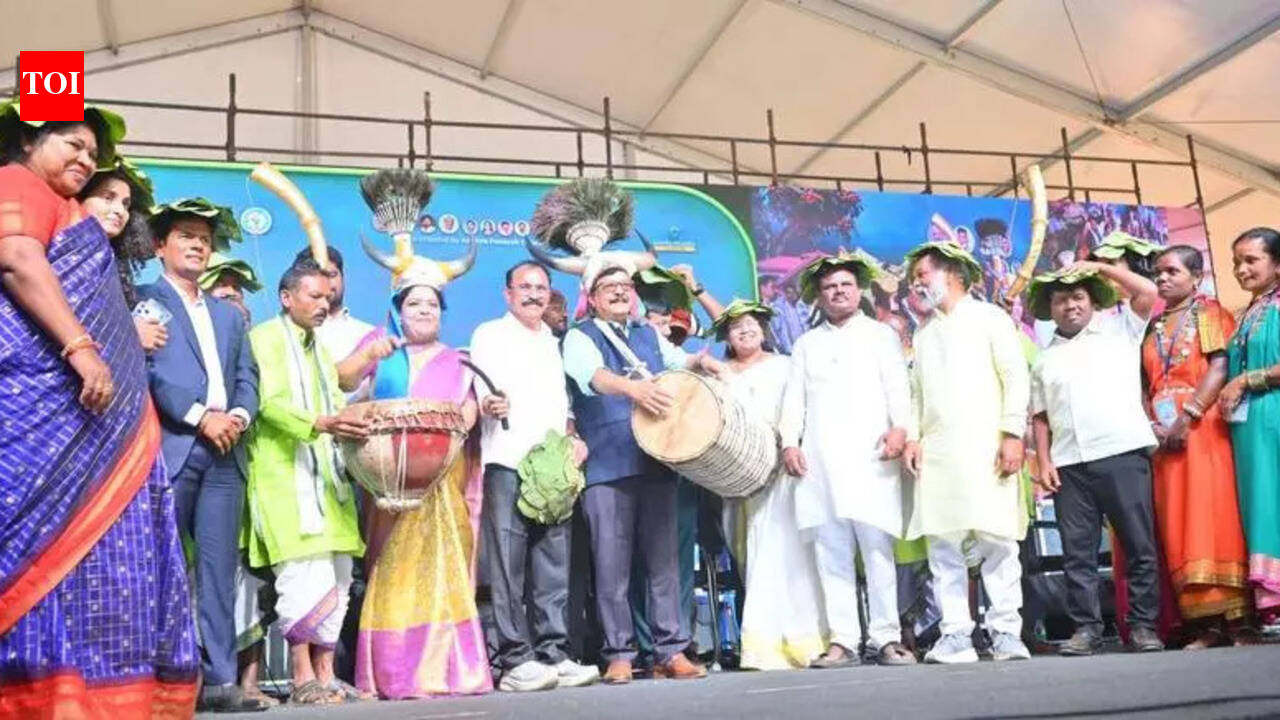
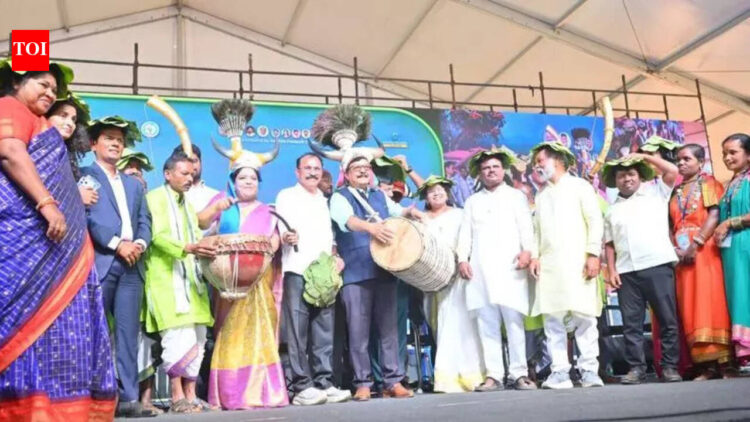
The article highlights the ambitious tourism development plans of the coalition government in Visakhapatnam, Andhra Pradesh, led by Tourism and Culture Minister Kandula Durgesh. The government’s primary objective is to showcase the state’s tourism potential on the global stage. A key strategy involves creating “one tourism job per family” over the next decade, with special centers aimed at integrating Araku’s coffee plantations with tourism, thereby benefiting tribal farmers. The Araku Festival is emphasized as a means to preserve local culture and stimulate regional development. The minister also noted that the government is focusing on providing employment opportunities to tribals and the youth through tourism development, marking one of the biggest achievements in the sector.
Key Points:
Actionable Takeaways:
Investment in Tourism Infrastructure: The government’s focus on creating jobs and integrating local resources (like Araku’s coffee plantations) into tourism can serve as a model for other regions looking to boost their tourism economy. This approach emphasizes sustainable and community-based tourism, which is increasingly important in the current travel landscape.
Cultural Preservation through Festivals: The Araku Festival exemplifies how cultural preservation can be a driver of tourism. For travel startups and fintech companies, this presents an opportunity to develop platforms that facilitate cultural tourism experiences, potentially tapping into the growing market of culturally curious travelers.
Youth Engagement in Tourism: By focusing on employment opportunities for the youth, the government is addressing a critical demographic in the tourism sector. This strategy can be replicated by travel tech companies to create platforms that offer internships, apprenticeships, or entry-level jobs in tourism, thereby fostering a skilled workforce for the industry.
Contextual Insights:
The article reflects current industry trends towards sustainable and community-focused tourism, where local resources and cultural heritage are leveraged to drive economic development. The emphasis on creating jobs, particularly for marginalized groups like tribals, aligns with global efforts to ensure inclusive growth in the travel sector. Furthermore, the integration of local products (like coffee plantations) into tourism highlights a broader trend of experiential travel, where travelers seek authentic, immersive experiences over traditional sightseeing. This context underscores the importance of travel startups and fintech innovations that support sustainable tourism models, such as eco-friendly accommodations, local guides, and digital platforms that connect tourists with authentic cultural experiences. The Araku Festival’s role in preserving local culture also underscores the importance of thought leadership in shaping travel narratives that resonate with global audiences, thereby driving demand for unique, culturally rich travel experiences.
Read the Complete Article.
Get curated travel AI insights — choose the newsletters that matter to you.
ALTOUR Expands into Thailand, Strengthening Corporate Travel Network Across Southeast Asia BANGKOK, THAILAND (25 March, 2026) – ALTOUR, a leading...
Read moreDetails


Comprehensive Summarization: The article discusses the potential impact of escalating geopolitical tensions in the Middle East on Thailand's tourism industry....
Read moreDetails