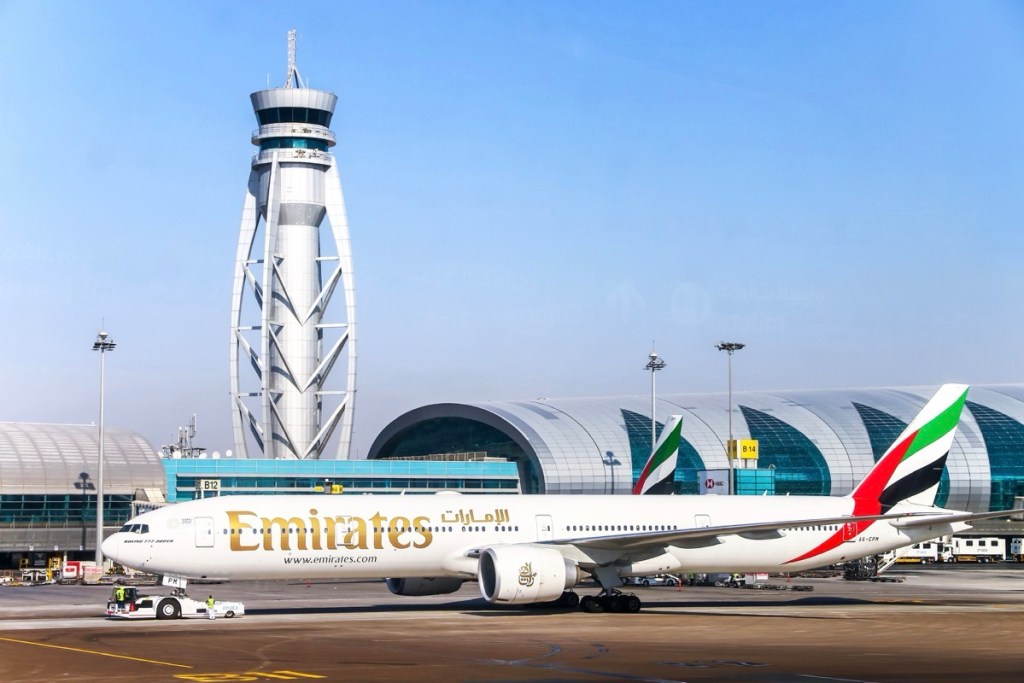
Australia has joined the United Kingdom, Saudi Arabia, Bahrain, and India in benefiting from Etihad Airways’ substantial fifty percent fare reductions on long-haul routes. This move comes as Middle East conflicts and rising fuel prices disrupt travel, offering much-needed affordability to travelers. The article highlights the impact of these fare reductions on the travel and tourism industry, particularly in the context of current global events and economic factors. It underscores the importance of cost-effective travel options in a challenging market environment and the role of strategic partnerships and pricing strategies in shaping travel trends.
Key Points:
Etihad Airways has implemented a fifty percent fare reduction on long-haul routes, benefiting countries including Australia, the UK, Saudi Arabia, Bahrain, and India.
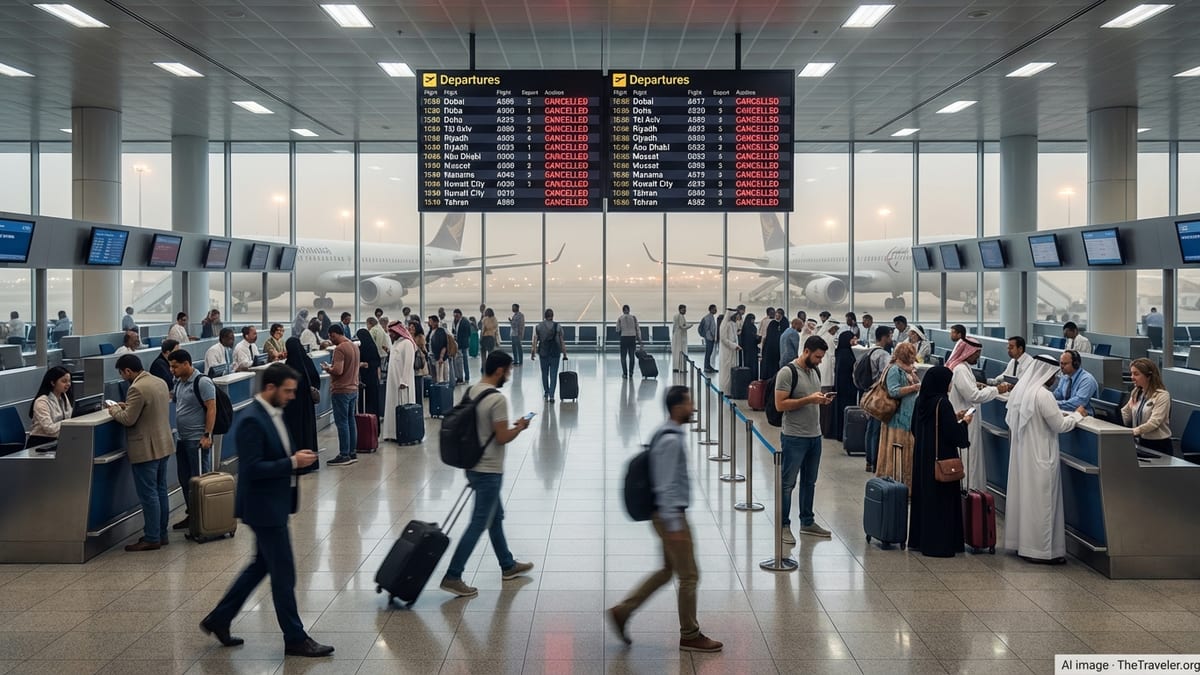
The fare reductions are a response to disruptions caused by Middle East conflicts and rising fuel prices, aiming to make travel more affordable.
The fare cuts present a significant opportunity for travelers seeking cost-effective options amidst challenging market conditions.
The article emphasizes the broader implications of such fare reductions on the travel and tourism industry, particularly in terms of demand, pricing strategies, and market dynamics.
Actionable Takeaways:
Increased Travel Demand: The fare reductions are likely to boost travel demand, particularly in the long-haul segment. Travel agencies and airlines should anticipate higher booking volumes and adjust their inventory and pricing strategies accordingly. This could lead to increased revenue for airlines and travel service providers, especially those catering to cost-conscious travelers.
Opportunities for Travel Startups: The fare reductions create opportunities for travel startups, particularly those focused on technology and innovation in travel. Startups can leverage this trend by offering enhanced booking platforms, personalized travel experiences, or competitive pricing models. They can also explore partnerships with airlines to offer bundled services or exclusive deals, tapping into the increased travel demand.
Fintech Innovations: The fare reductions highlight the potential for fintech innovations in the travel sector. With travelers seeking affordable options, there is an opportunity for fintech companies to develop solutions that offer competitive payment options, travel rewards, or dynamic pricing algorithms. These innovations can enhance the travel experience, attract more customers, and differentiate service providers in a competitive market.
Contextual Insights:
The fare reductions by Etihad Airways reflect a broader trend in the travel industry where airlines are responding to external pressures such as geopolitical tensions and economic challenges. This move aligns with the current emphasis on cost-efficiency and accessibility in travel, driven by rising fuel prices and geopolitical uncertainties. As the industry navigates these challenges, fare reductions can serve as a strategic tool to maintain market share and attract price-sensitive travelers. Furthermore, the article underscores the importance of technological advancements and innovative business models in adapting to changing market conditions. Startups and established players alike must leverage technology to offer competitive pricing, seamless booking experiences, and value-added services to remain relevant in a dynamic industry landscape. The insights from thought leaders suggest that the travel sector’s future will be shaped by a combination of strategic pricing, technological innovation, and a deep understanding of evolving consumer preferences.