






No products in the cart.
- Latest
- Trending

Australia’s Iranian Visa Block Sends Ripples Through Singapore Airlines, Qantas, Air India, Emirates...
Comprehensive Summarization:
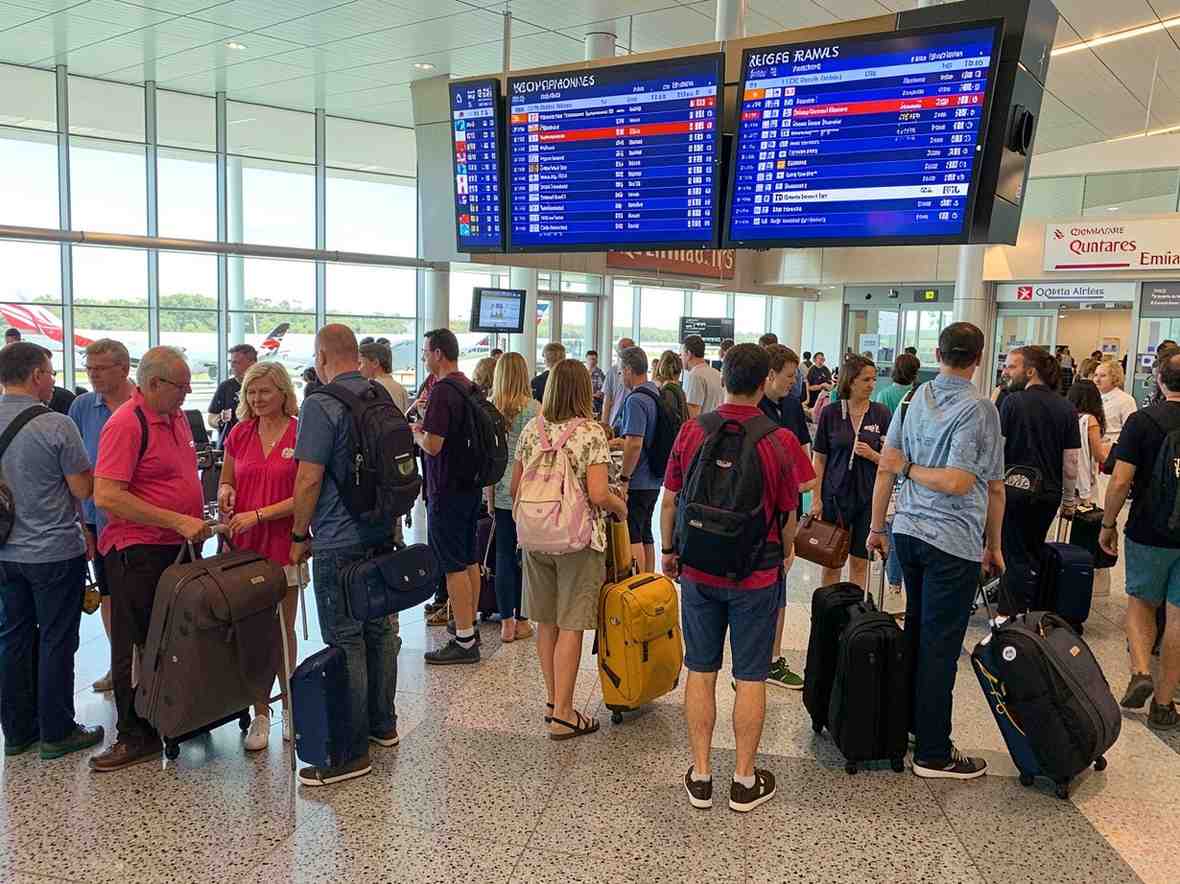
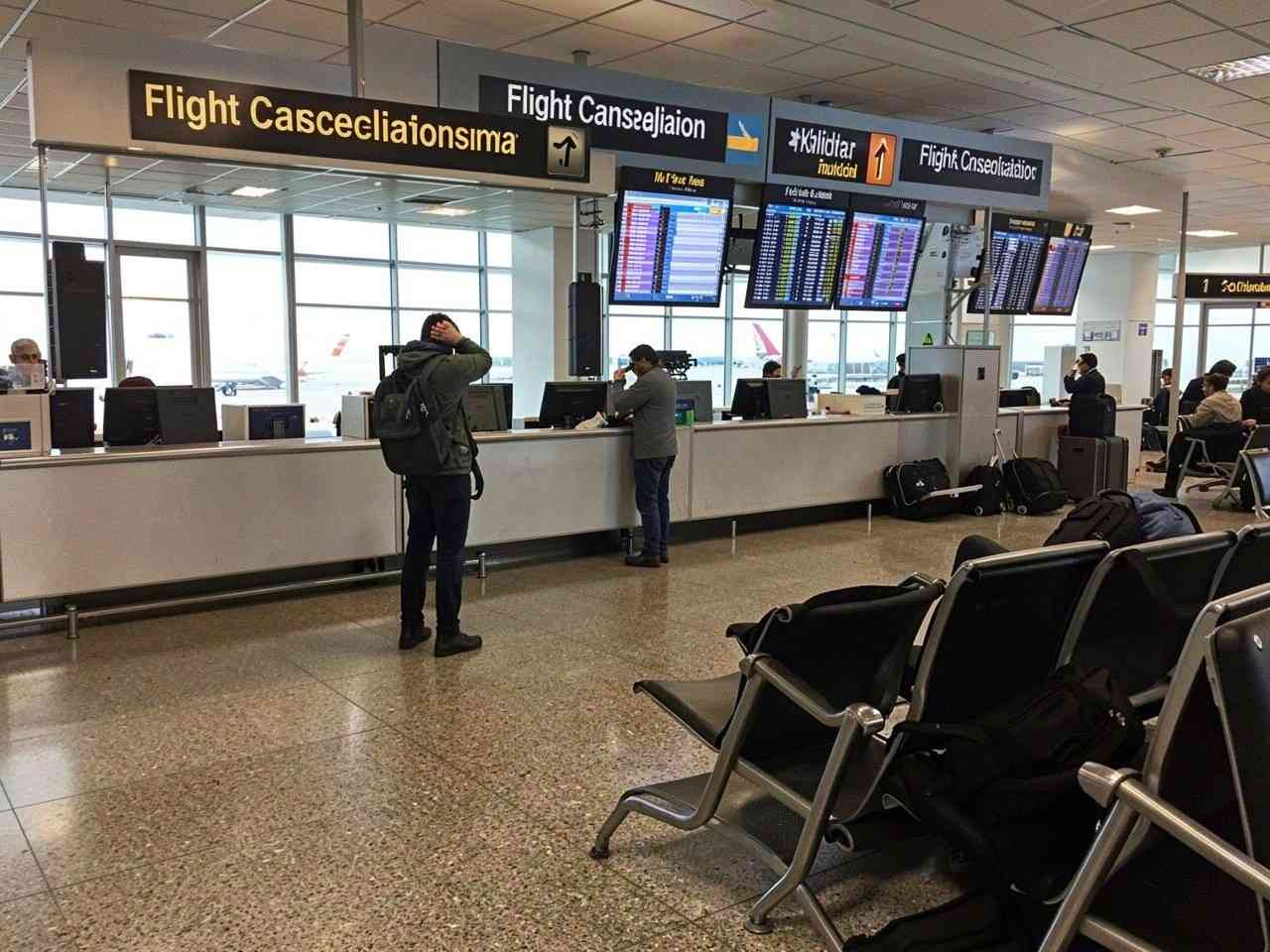
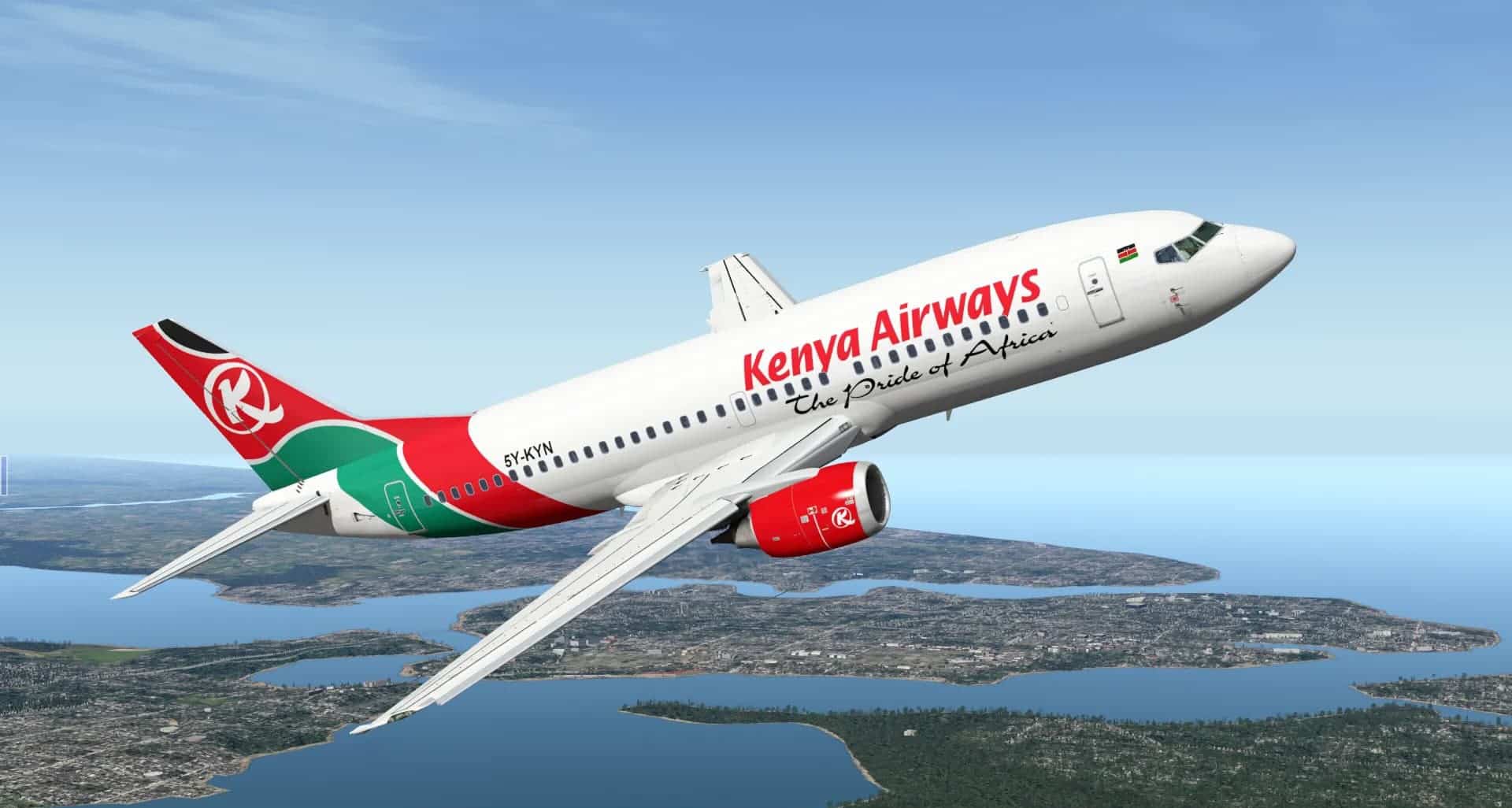
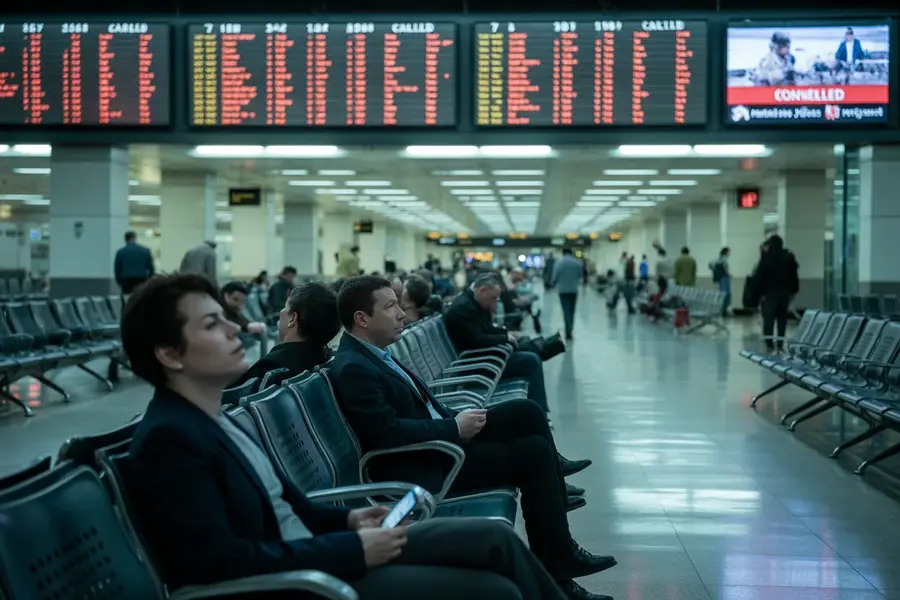
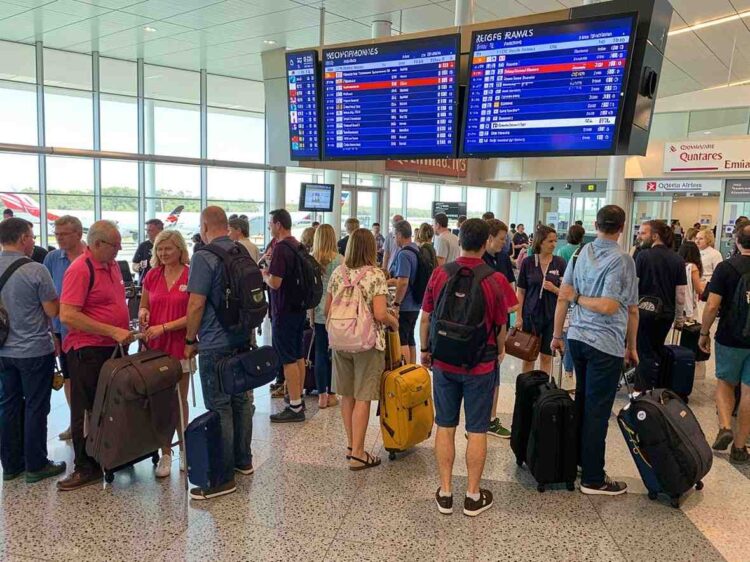
Australia has temporarily blocked Iranian nationals from entering the country in response to ongoing geopolitical tensions in the Middle East. This decision has caused significant disruptions in the travel industry, particularly affecting major airlines such as Singapore Airlines, Qantas, Air India, Emirates, Malaysia Airlines, and Virgin Australia. The move has raised concerns about its impact on international travel and tourism, especially for UK, NZ, and Indian tourists who are unaffected by the ban. The article highlights the ripple effect of this policy on the travel sector and the broader implications for international relations and tourism.
Key Points:
Actionable Takeaways:
Impact on International Travel: The ban on Iranian nationals entering Australia is likely to have a notable impact on international travel between Iran and Australia. Airlines operating between these countries may experience reduced passenger volumes, leading to potential financial losses and operational challenges. Travel agencies and tour operators may also face disruptions in their itineraries and bookings.
Economic Consequences: The travel disruptions caused by the ban could have broader economic consequences. Airlines operating in the affected routes may face financial losses due to reduced passenger traffic. This could lead to increased operational costs, potential job cuts, and a slowdown in the aviation sector. Additionally, the tourism industry may experience a decline in visitor numbers, affecting local economies reliant on tourism.
Geopolitical Considerations: The ban reflects the heightened geopolitical tensions in the Middle East and its impact on international travel policies. Travel companies and policymakers need to closely monitor the situation and be prepared for potential further restrictions or changes in travel policies. This highlights the importance of geopolitical risk assessment in the travel industry.
Contextual Insights:
The temporary ban on Iranian nationals entering Australia is a response to the ongoing geopolitical tensions in the Middle East. This decision underscores the sensitivity of travel policies to international relations and the potential for rapid changes in travel restrictions based on geopolitical developments. For the travel industry, this situation highlights the need for agility and adaptability in response to policy changes. Airlines and travel service providers must have contingency plans in place to manage disruptions and mitigate financial impacts. Additionally, the ban emphasizes the importance of geopolitical risk management in travel planning and operations. As the travel industry continues to navigate complex global dynamics, staying informed about geopolitical developments and their potential impacts on travel policies will be crucial for stakeholders to adapt and thrive in a changing environment.
Read the Complete Article.
Get curated travel AI insights — choose the newsletters that matter to you.
This spot is reserved for brands with a compelling story for the travel trade. They use this space to cut...
Read moreDetailsALTOUR Expands into Thailand, Strengthening Corporate Travel Network Across Southeast Asia BANGKOK, THAILAND (25 March, 2026) – ALTOUR, a leading...
Read moreDetails


Comprehensive Summarization: The article reports on a tragic incident involving an Air Canada flight attendant, Solange Tremblay, who was ejected...
Read moreDetails