











No products in the cart.
- Latest
- Trending

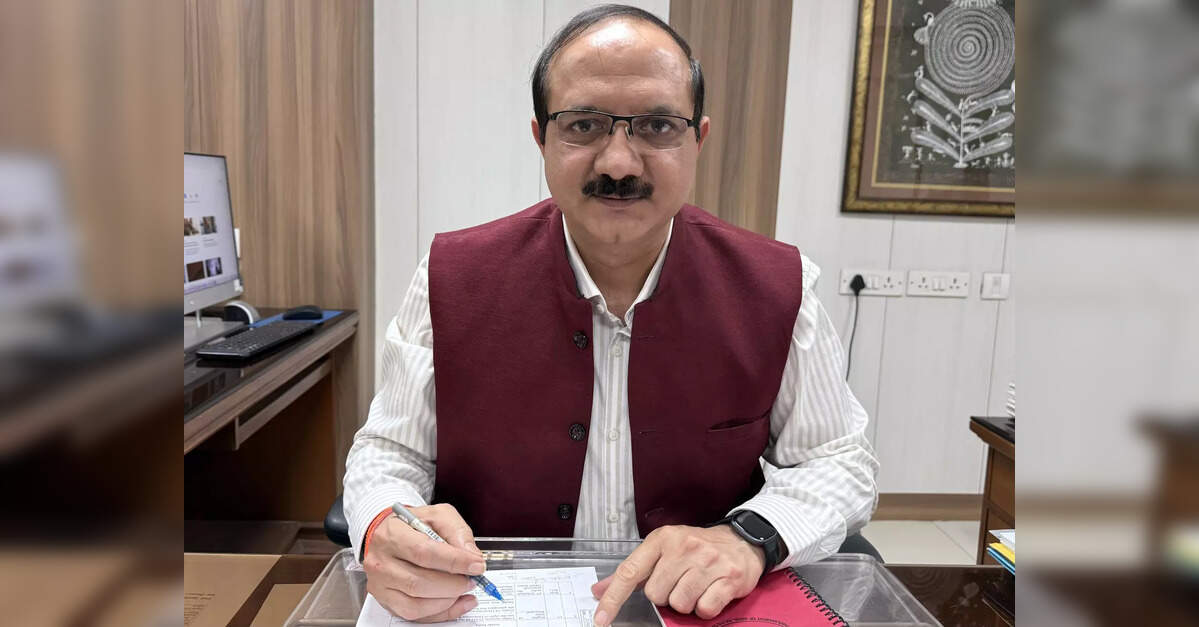
Bhuvnesh Kumar, Chief Executive Officer of Unique Identification Authority of India - UIDAI
Comprehensive Summarization:
The article announces the appointment of Bhuvnesh Kumar, a 1995-batch IAS officer from the Uttar Pradesh cadre, as the Secretary in the Ministry of Tourism. This move marks a significant leadership transition at a time when India’s tourism sector is experiencing structural expansion. Kumar succeeds Srivatsa Krishna, who has been appointed Secretary in the Ministry of Minority Affairs. The appointment brings in a senior bureaucrat with extensive experience in digital governance and public sector initiatives, signaling a potential shift towards leveraging technology and innovation in the tourism industry.
Key Points:
Actionable Takeaways:
Enhanced Digital Governance in Tourism: Kumar’s appointment suggests a push towards integrating digital technologies in the tourism sector. This could lead to improved customer experiences, streamlined operations, and increased efficiency in tourism services. For industry stakeholders, this presents an opportunity to align with digital trends and invest in tech-driven solutions to stay competitive.
Strategic Leadership Transition: The shift in leadership at the Ministry of Tourism signals a proactive approach to addressing the sector’s growth challenges. Companies operating in tourism can anticipate more supportive policies and initiatives from the government, potentially leading to increased investment opportunities and regulatory support for innovation.
Contextual Insights:
The appointment of Bhuvnesh Kumar as Secretary in the Ministry of Tourism is strategically significant in the context of India’s burgeoning tourism sector. With the sector experiencing rapid expansion, there is a growing need for effective governance and technological integration to manage increased demand and ensure sustainable growth. Kumar’s extensive experience in digital governance positions him well to drive initiatives that leverage technology to enhance tourism services, such as digital platforms for bookings, online visa processing, and data-driven marketing strategies. This aligns with current industry trends emphasizing the importance of digital transformation in travel and hospitality. Furthermore, the appointment underscores the government’s commitment to fostering innovation in the sector, which could lead to new opportunities for startups and fintech solutions in areas like payment processing, travel insurance, and personalized travel experiences. As the travel industry continues to evolve, staying abreast of such leadership changes and their implications can provide valuable insights for strategic planning and investment decisions.
Read the Complete Article.
Get curated travel AI insights — choose the newsletters that matter to you.
ALTOUR Expands into Thailand, Strengthening Corporate Travel Network Across Southeast Asia BANGKOK, THAILAND (25 March, 2026) – ALTOUR, a leading...
Read moreDetails


Comprehensive Summarization: The article announces the appointment of Bhuvnesh Kumar, a 1995-batch IAS officer from the Uttar Pradesh cadre, as...
Read moreDetails