

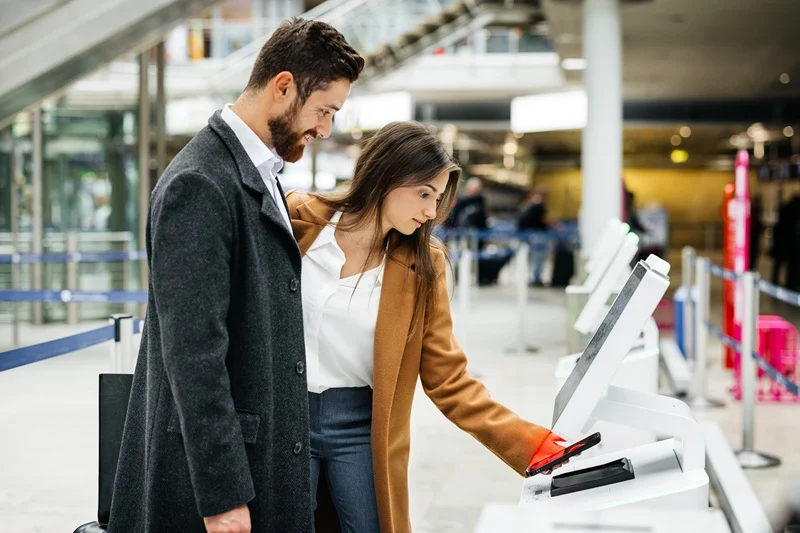












Travel Capitalist Ventures Expands Check Size to $10 Million to Deepen Emerging Market Conviction
Boutique Travel VC raises investment cap from $1.5M to $10M to lead rounds and support portfolio companies through growth Travel...
Read moreDetails
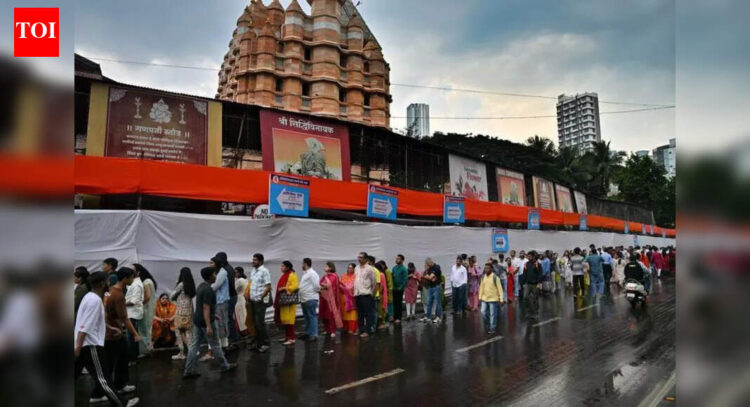
‘Really Happy For Others’: SC Rejects Umar Khalid’S Bail; Partner Shares His Reaction
Article Summary:
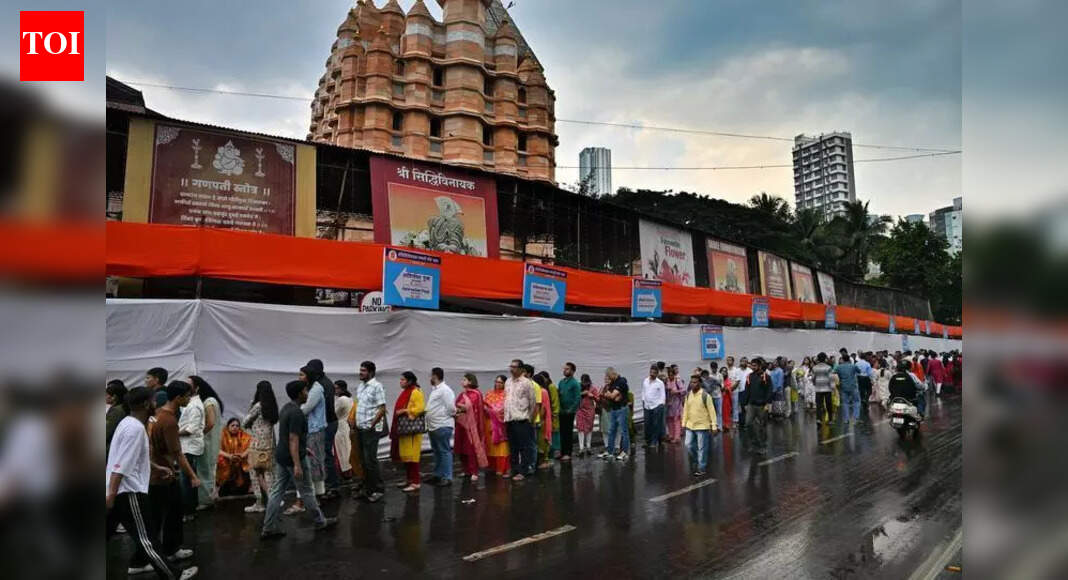
The article discusses a plan by the BJP Mahamantri for Mumbai, Pavan Tripathi, to create a temple corridor connecting Mumbadevi, Babulnath, Mahalaxmi, and Siddhivinayak temples. This initiative aims to promote religious tourism in Mumbai. Tripathi also expressed confidence in the Mahayuti winning 150 seats in the BMC elections, with the BJP securing over 100. He emphasized the importance of inclusivity, stating there is no Marathi-non-Marathi issue in the election and criticizing Uddhav Thackeray for forcing Marathi Manoos out of Mumbai. The article also touches on the distribution of tickets to North Indians, with Tripathi noting that 21 seats were allocated to them.
Key Points:
Actionable Takeaways:
Read the Complete Article.
Boutique Travel VC raises investment cap from $1.5M to $10M to lead rounds and support portfolio companies through growth Travel...
Read moreDetails



Comprehensive Summarization: The article provides an update on the safety of visiting Türkiye in April 2026. Despite the US-Iran conflict...
Read moreDetails