









No products in the cart.
- Latest
- Trending


Uday Deb
Comprehensive Summarization:
The article highlights the remarkable transformation of the Dooars region in India from a modest local tourism activity to a dynamic sector driving economic and social growth. Spanning the foothills of the Himalayas and the plains of North Bengal, the Dooars is celebrated for its unique blend of natural beauty, cultural richness, and community-driven development. Over the past few decades, this region has evolved significantly, becoming a testament to how strategic tourism development can harmonize nature with human activity. The article underscores the importance of community involvement and sustainable practices in this transformation, positioning the Dooars as a model for balanced regional development in the travel industry.
Key Points:
Actionable Takeaways:
Leverage Community Engagement: Travel businesses should prioritize community involvement in tourism development to ensure sustainable and culturally rich experiences. This approach not only enhances the authenticity of the travel experience but also fosters local economic growth.
Emphasize Sustainable Tourism Practices: The success of Dooars’ tourism sector underscores the importance of sustainable practices. Travel companies should adopt eco-friendly initiatives to preserve the region’s natural beauty and biodiversity, ensuring long-term viability of tourism.
Invest in Local Infrastructure: Developing local infrastructure, such as transportation and accommodation facilities, can significantly boost tourism. Investments in these areas can create jobs and stimulate local economies, aligning with broader economic development goals.
Contextual Insights:
The transformation of the Dooars region into a thriving tourism hub reflects broader trends in the travel industry, such as the increasing demand for authentic, culturally immersive experiences. The article’s emphasis on community involvement and sustainable practices aligns with current industry insights, which advocate for responsible tourism that respects local cultures and environments. As the travel industry continues to evolve, integrating these principles will be crucial for businesses aiming to remain competitive and socially responsible. The Dooars’ success story serves as a compelling case study for other regions looking to develop their tourism sectors in a manner that is both economically beneficial and environmentally sustainable.
Read the Complete Article.
Get curated travel AI insights — choose the newsletters that matter to you.
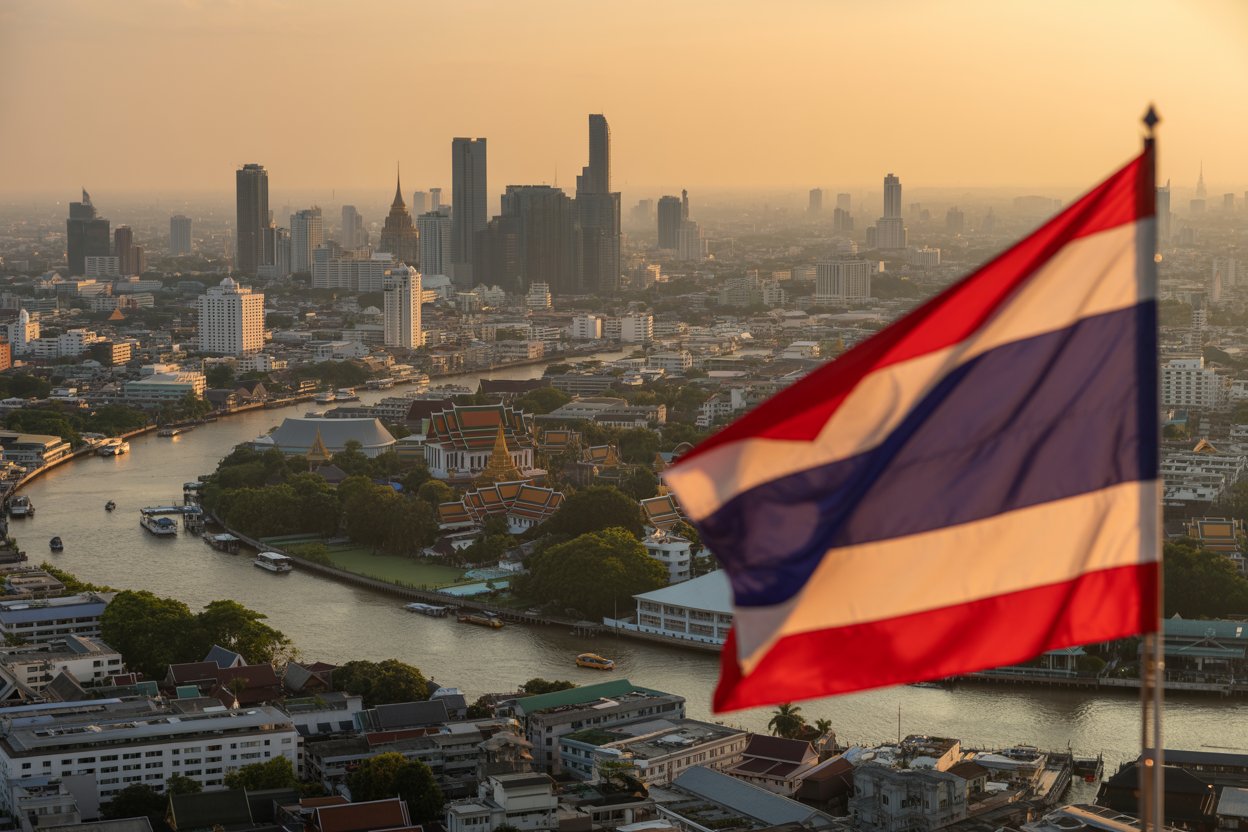
ALTOUR Expands into Thailand, Strengthening Corporate Travel Network Across Southeast Asia BANGKOK, THAILAND (25 March, 2026) – ALTOUR, a leading...
Read moreDetails


London, UK — March 31, 2026 In short: Travel AI and major payment platforms launch interoperable blockchain micropayment standard for...
Read moreDetails