The article discusses the challenges faced by Jammu and Kashmir’s tourism industry in 2025, following the Pahalgam terror attack and the India-Pakistan military conflict, which led to a significant decline in tourism. This sector employs nearly a million people, making its recovery crucial. However, the Omar Abdullah government is actively working to revive the industry by leveraging its renowned ski slopes in Gulmarg and the newly opened Sonamarg tunnel, which has opened up glacier-studded slopes for winter sports. The Adventure Tour Operators Association of India (ATOAI) held its 17th convention in Kashmir, focusing on strategies to boost adventure tourism. The article also touches on the latest travel trends and insights from thought leaders, highlighting the importance of innovation and recovery strategies in the post-conflict tourism landscape.
Key Points:
Tourism Decline: The tourism industry in Jammu and Kashmir suffered a major setback in 2025 due to the Pahalgam terror attack and the India-Pakistan military conflict.
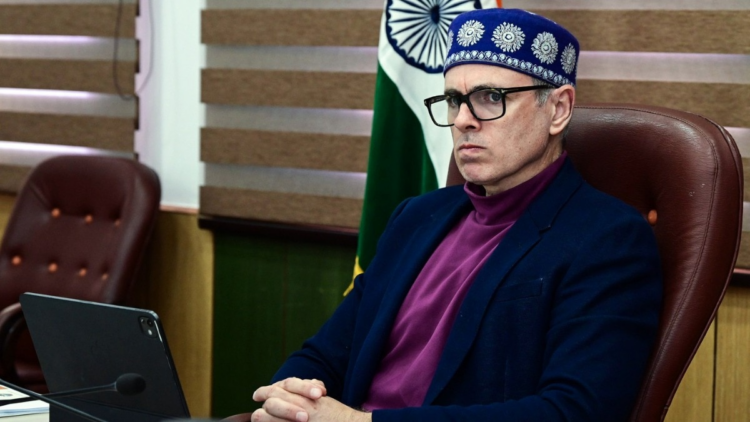
Government Initiatives: The Omar Abdullah government is implementing an ambitious adventure-tourism push to revive the industry, focusing on Gulmarg’s ski slopes and the new Sonamarg tunnel.
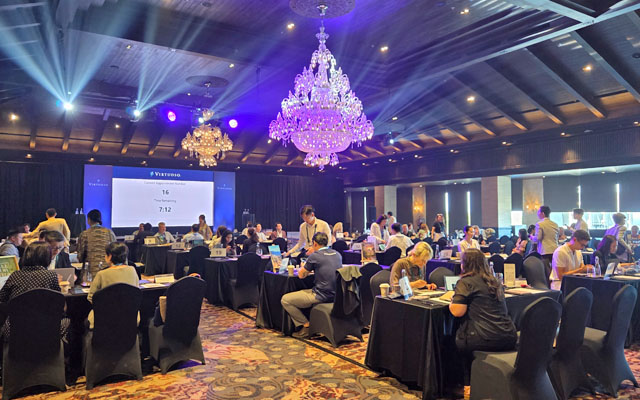
ATOAI Convention: The Adventure Tour Operators Association of India (ATOAI) held its 17th convention in Kashmir, emphasizing strategies to boost adventure tourism.
Employment Impact: The tourism sector employs nearly a million people, making its recovery crucial for the local economy.
Winter Sports Development: The opening of the Sonamarg tunnel has made the region’s glacier-studded slopes accessible for winter sports, a key component of the revival strategy.
Actionable Takeaways:
Government-led Recovery Strategies: The government’s focus on adventure tourism, particularly through the development of Gulmarg’s ski slopes and the Sonamarg tunnel, presents a viable path for the recovery of Jammu and Kashmir’s tourism industry. This initiative could serve as a model for other regions facing post-conflict recovery challenges in the travel sector.
Winter Sports as a Growth Driver: The opening of the Sonamarg tunnel has opened up new opportunities for winter sports tourism, which could be a significant growth driver for the region. Investing in winter sports infrastructure and marketing these destinations as winter sports hubs could attract tourists and boost the local economy.
ATOAI’s Role in Industry Revival: The 17th convention of the Adventure Tour Operators Association of India (ATOAI) in Kashmir underscores the importance of collaboration among industry stakeholders. By fostering partnerships and sharing best practices, ATOAI can play a pivotal role in driving innovation and recovery in the tourism sector.
Contextual Insights:
The article’s context is deeply rooted in the recent geopolitical tensions between India and Pakistan, which have had a profound impact on tourism in Jammu and Kashmir. The recovery of this sector is not just about rebuilding infrastructure but also about restoring confidence among tourists. The emphasis on adventure tourism aligns with current global travel trends, where experiential and adventure-based travel is gaining popularity. Thought leaders highlight the importance of leveraging technology and innovation to enhance the tourist experience, such as through digital marketing, virtual tours, and sustainable tourism practices. These insights suggest that the revival of Jammu and Kashmir’s tourism industry will require a multifaceted approach, combining government support, strategic investments in infrastructure, and leveraging emerging travel trends to attract a diverse range of tourists.