














Travel Capitalist Ventures Expands Check Size to $10 Million to Deepen Emerging Market Conviction
Boutique Travel VC raises investment cap from $1.5M to $10M to lead rounds and support portfolio companies through growth Travel...
Read moreDetails
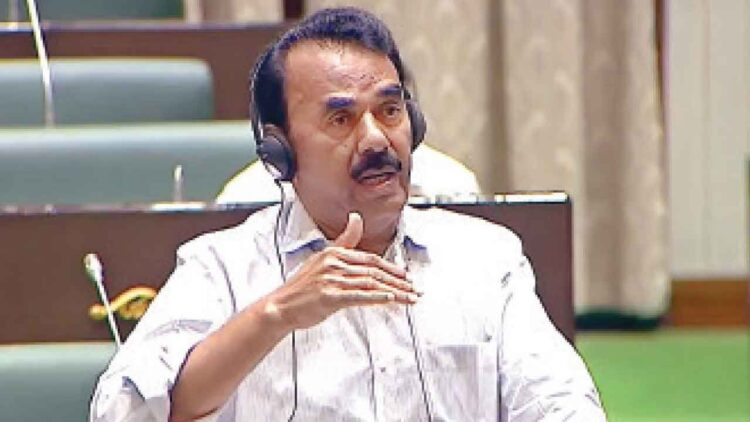
TG tourism sector to get shot in the arm to vie with Kerala
Article Summary:
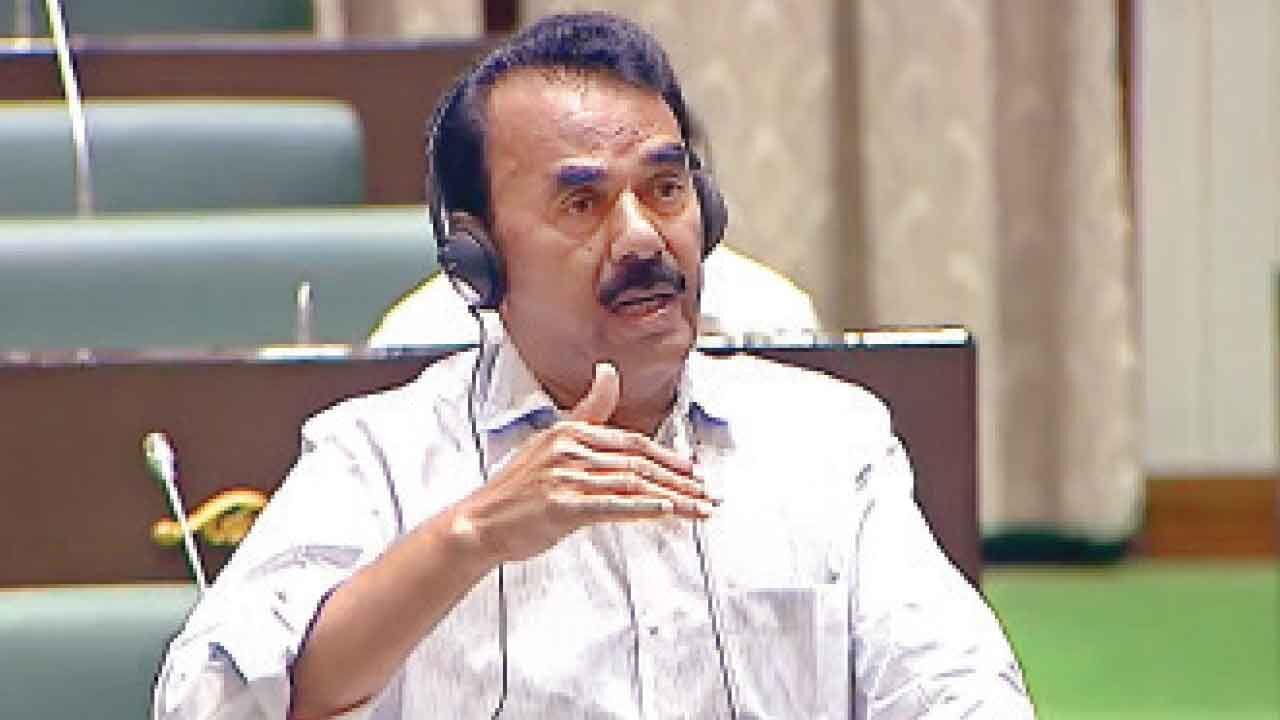
The Tourism Minister of Telangana, Jupally Krishna Rao, announced on Monday that the government is actively developing the tourism sector in Telangana to compete with Kerala. The minister highlighted that incentives are being offered to attract both domestic and foreign investors to develop the tourism sector under the Public-Private Partnership (PPP) model. This initiative comes in response to the underdevelopment of tourism in Telangana and across India, which the minister attributes to the lack of a proper tourism policy in the past. Under the leadership of Chief Minister A Revanth Reddy, a new Tourism Policy for 2025–2030 has been introduced to strengthen tourism development in the region.
Key Points:
Actionable Takeaways:
Contextual Insights:
The article reflects the current emphasis on strategic policy-making and investment incentives as key drivers for tourism sector growth. In the context of the travel industry, this aligns with the broader trend of leveraging public-private partnerships to overcome developmental challenges. The focus on a comprehensive tourism policy for the next five years indicates a proactive approach to addressing past neglect and setting a clear trajectory for future growth. This context is crucial for understanding the potential impact of the announced incentives and policy framework on the travel sector, particularly for startups and established players looking to innovate and expand their operations. The article also hints at the importance of aligning tourism development with broader economic and environmental goals, a trend that is increasingly relevant in the modern travel industry, where sustainability and responsible tourism are becoming central themes.
Read the Complete Article.
Boutique Travel VC raises investment cap from $1.5M to $10M to lead rounds and support portfolio companies through growth Travel...
Read moreDetails



Comprehensive Summarization: The article provides an update on the safety of visiting Türkiye in April 2026. Despite the US-Iran conflict...
Read moreDetails