
























Travel Capitalist Ventures Expands Check Size to $10 Million to Deepen Emerging Market Conviction
Boutique Travel VC raises investment cap from $1.5M to $10M to lead rounds and support portfolio companies through growth Travel...
Read moreDetails
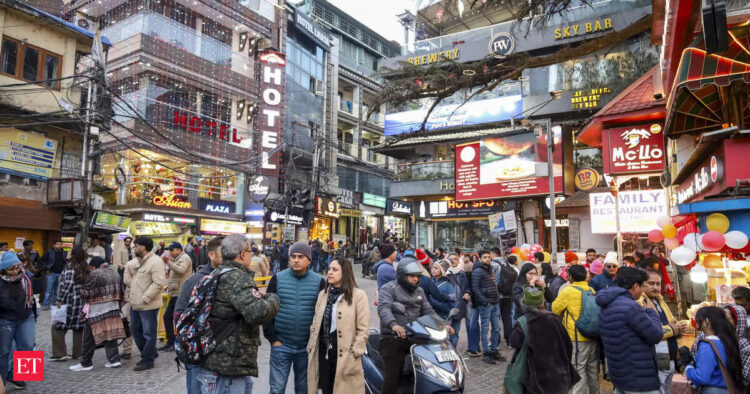
Tourists on New Year's eve at a market, in Dharamshala, Himachal Pradesh.
Article Summary:
The article highlights significant issues plaguing India’s tourism sector, including a shortage of quality hotels, lack of destinations offering a high-quality tourist experience, overcrowding at established destinations, and the absence of coordinated destination management. The Centre, at the recently-held 5th National Conference of Chief Secretaries, has identified these issues and proposed a 10-point action agenda to address them. The focus is on improving the overall tourist experience and ensuring that India can go global only after resolving these ‘local issues’. The article emphasizes that poor tourism is a reputational risk for India, underscoring the need for immediate action.
Key Points:
Actionable Takeaways:
Contextual Insights:
The issues highlighted in the article are reflective of broader challenges faced by the global tourism industry, particularly in emerging markets like India. The shortage of quality hotels and the lack of high-quality tourist experiences are common issues that can deter international tourists. Overcrowding at established destinations not only diminishes the tourist experience but also puts pressure on local resources and infrastructure. Coordinated destination management is crucial for balancing tourist influxes with the preservation of local environments and cultures.
In the context of current industry trends, the emphasis on improving tourist experiences aligns with the growing demand for unique and immersive travel experiences. Travelers are increasingly seeking destinations that offer authentic cultural experiences, sustainable practices, and seamless logistics. The proposed action agenda by the Centre is a proactive step towards addressing these evolving expectations and ensuring that India’s tourism sector can compete on the global stage.
The article also underscores the importance of leveraging technology and innovation in the travel sector. From improving hotel infrastructure to implementing sustainable practices, technological solutions can play a pivotal role in addressing the challenges outlined in the article. Startups and fintech innovations, in particular, can contribute to enhancing the efficiency and sustainability of tourism operations, making them a key area of focus for industry stakeholders.
Read the Complete Article.
Boutique Travel VC raises investment cap from $1.5M to $10M to lead rounds and support portfolio companies through growth Travel...
Read moreDetails



Comprehensive Summarization: Uber has announced its acquisition of Blacklane, a Berlin-based global chauffeur service platform, in a deal expected to...
Read moreDetails
