





















Travel Capitalist Ventures Expands Check Size to $10 Million to Deepen Emerging Market Conviction
Boutique Travel VC raises investment cap from $1.5M to $10M to lead rounds and support portfolio companies through growth Travel...
Read moreDetails
PM Modi Receives Call From Israeli PM Netanyahu; Reaffirms Support For Gaza Peace Plan
Article Summary:
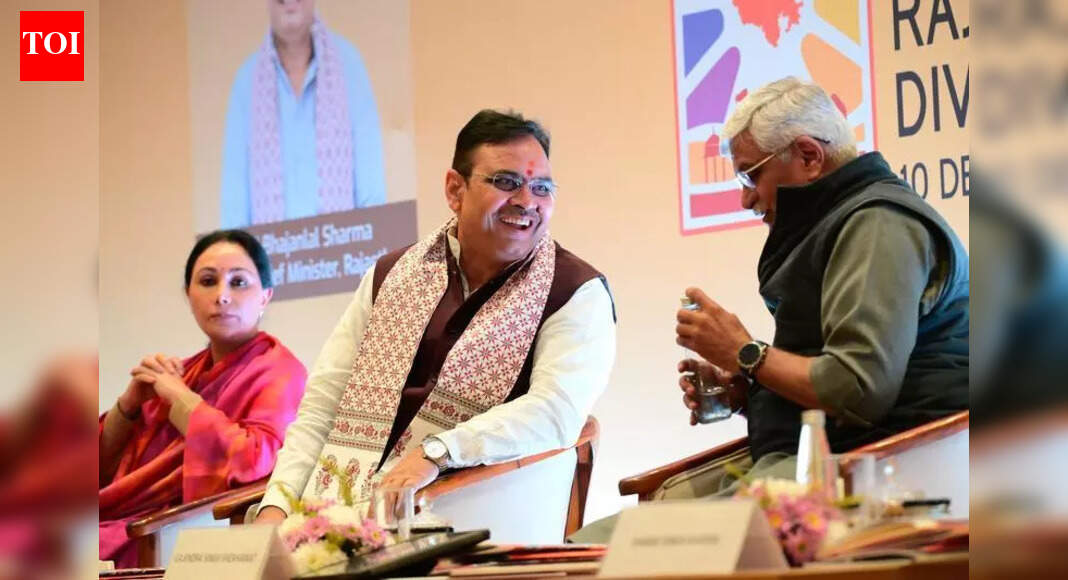
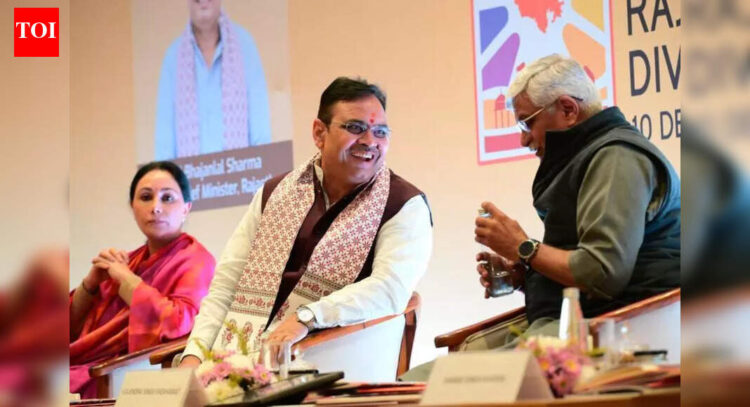
The Rajasthan government has launched its ambitious Tourism Policy, 2025, at the inaugural Pravasi Rajasthani Divas in Jaipur. Chief Minister Bhajan Lal Sharma described the policy as a ‘visionary document’ that will redefine Rajasthan’s tourism landscape and position the state prominently on the global map. Deputy Chief Minister Diya Kumari, who holds the tourism portfolio, emphasized that the policy aims to catalyze investment, innovation, and employment generation, while promoting Rajasthan’s cultural heritage and natural diversity. Key features of the policy include PPP-driven projects, among others.
Key Points:
Actionable Takeaways:
Contextual Insights:
The launch of Rajasthan’s Tourism Policy, 2025, aligns with the current global trend of promoting cultural tourism. As more travelers seek authentic experiences, destinations that offer rich cultural experiences are likely to attract more visitors. The policy’s focus on PPP-driven projects also reflects a broader industry trend towards public-private partnerships in tourism development. This could lead to more efficient use of resources and faster implementation of projects. The policy’s emphasis on innovation and employment generation could also stimulate growth in related sectors such as travel tech and fintech, creating a more robust and diversified tourism ecosystem.
Read the Complete Article.
Boutique Travel VC raises investment cap from $1.5M to $10M to lead rounds and support portfolio companies through growth Travel...
Read moreDetails




