



No products in the cart.
- Latest
- Trending


Ministry Of Tourism Acknowledges Role Of Travel Influencers; Govt To Regulate Travel Content?
Comprehensive Summarization:
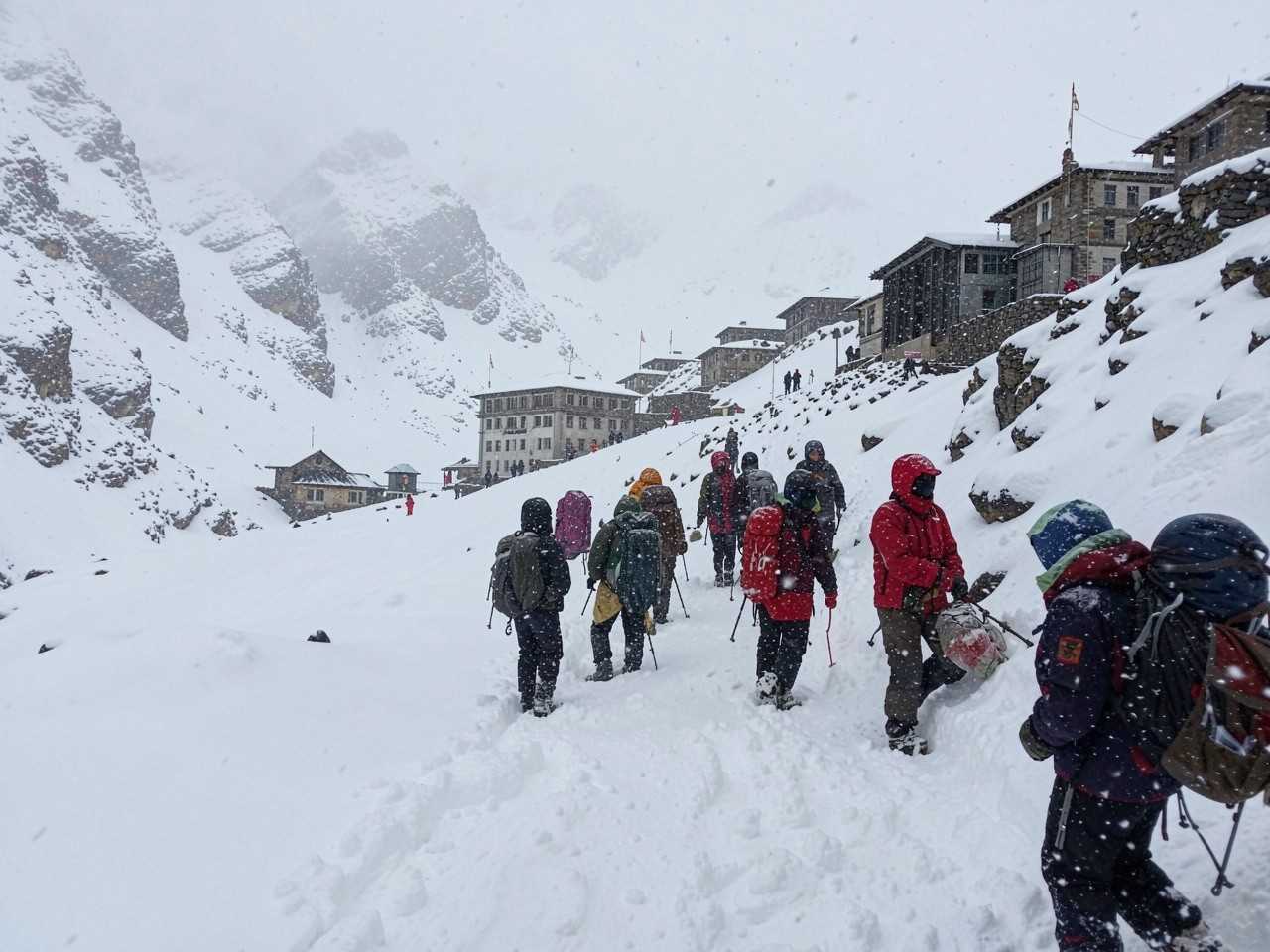
The Ministry of Tourism in India has expressed concerns over the growing influence of travel influencers on tourism decisions, highlighting the potential risks of misinformation. The article, sourced from Travel Trade Journal, underscores the significant role influencers play in shaping travel choices, from trekking to hidden temples to dining at iconic dhabas. While influencers have become a primary source of travel recommendations, the Ministry of Tourism is wary of the misinformation that can accompany this trend. The article does not provide details on proposed measures to address these concerns, leaving the specifics of potential regulatory actions or industry guidelines open-ended.
Key Points:
Actionable Takeaways:
Enhanced Verification Processes for Influencers: Travel companies and tourism boards should implement stricter verification processes for influencers to ensure the accuracy of travel recommendations. This could involve cross-referencing travel itineraries, accommodations, and dining experiences with official tourism resources to mitigate misinformation risks.
Regulatory Framework Development: There is a need for the development of a regulatory framework that governs the activities of travel influencers. This could include mandatory disclosures about sponsored content, regular audits of influencer activities, and penalties for misleading travel advice. Such measures would help maintain the integrity of travel information and protect consumers from misinformation.
Leveraging Technology for Authenticity: Travel startups and tech companies should invest in technologies that enhance the authenticity of travel content. This could include AI-driven tools for verifying travel claims, blockchain for secure and transparent travel booking processes, and virtual reality experiences that allow potential travelers to explore destinations before making decisions. Such innovations can help build trust and reduce the reliance on potentially misleading influencer content.
Contextual Insights:
The concerns raised by the Ministry of Tourism reflect a broader trend in the travel industry where influencers wield significant power in shaping consumer decisions. This trend is not unique to India; globally, influencers have become pivotal in driving tourism, especially in niche markets like adventure travel and cultural experiences. The rise of influencers has democratized travel information, making it more accessible but also more susceptible to inaccuracies and exaggerated claims. As the travel industry continues to evolve, integrating technology and regulatory frameworks will be crucial in balancing the benefits of influencer-driven recommendations with the need for accurate and reliable travel information. Forward-looking travel companies and policymakers should prioritize these areas to ensure sustainable growth and consumer trust in the digital age.
Read the Complete Article.
Get curated travel AI insights — choose the newsletters that matter to you.
ALTOUR Expands into Thailand, Strengthening Corporate Travel Network Across Southeast Asia BANGKOK, THAILAND (25 March, 2026) – ALTOUR, a leading...
Read moreDetails


Comprehensive Summarization: The article discusses the escalating concerns over potential higher costs and new frictions in the travel and tourism...
Read moreDetails