









No products in the cart.
- Latest
- Trending

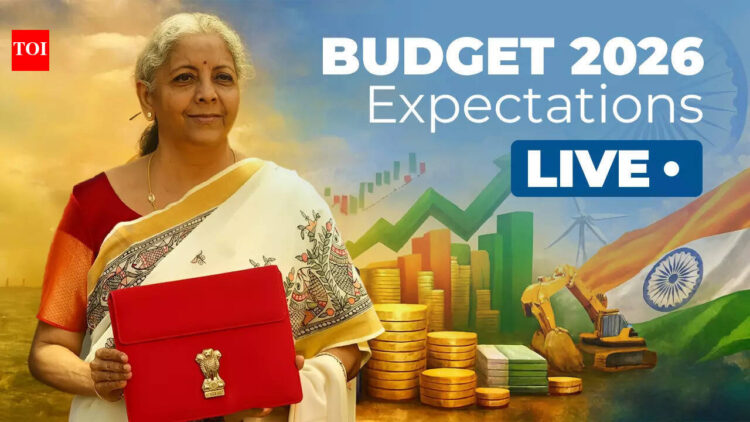
Budget 2026 Expectations Live Updates: FM Sitharaman’s Budget in focus amidst Trump’s tariff threats...
Comprehensive Summarization:
The article discusses the evolving needs of seniors in India as they constitute nearly 20% of the population by 2026. It highlights that while seniors desire autonomy, dignity, connection, and meaningful engagement, only a small portion of public spending is currently directed towards their needs. The article emphasizes the importance of GST reforms to alleviate the financial burden on seniors. It also underscores the need for simple, intuitive technology that supports seniors’ safety, health monitoring, and connection with family. The article points out that many older adults struggle with complex digital processes, making tasks like insurance claims or KYC updates challenging. The focus is on the intersection of technology and aging, particularly in the context of travel and service industry adaptations to cater to the evolving needs of seniors.
Key Points:
Actionable Takeaways:
Implement GST Reforms: To alleviate the financial burden on seniors, it is imperative to implement GST reforms that specifically target the needs and expenditures of the senior population. This action is crucial as it directly addresses the financial challenges faced by seniors, ensuring they can afford essential services and technology without undue financial strain.
Develop User-Friendly Technology: There is a pressing need for the development of simple and intuitive technology that supports seniors’ safety, health monitoring, and connection with family. This takeaway is vital as it aligns with the seniors’ desire for autonomy and dignity, ensuring they can navigate digital services with ease, thereby enhancing their quality of life.
Enhance Accessibility of Services: Efforts should be made to simplify essential services such as insurance claims and KYC updates to make them less complex for seniors. This action is relevant as it directly addresses the challenges seniors face with digital processes, thereby improving their ability to engage with services independently and securely.
Contextual Insights:
The article reflects the current demographic shift in India, where an increasing proportion of the population is entering the longevity era. This shift necessitates a reevaluation of public spending and service delivery to cater to the unique needs of seniors. The emphasis on GST reforms and user-friendly technology is in line with broader industry trends towards inclusivity and accessibility. As the travel and service sectors continue to evolve, there is a growing recognition of the importance of catering to the needs of an aging population. Thought leaders in the industry are increasingly advocating for innovations that prioritize the well-being and convenience of seniors, ensuring they can participate fully in society. The insights from this article underscore the potential impact of targeted policy changes and technological advancements on the travel and service industry, highlighting the need for proactive measures to support seniors in their daily lives.
Read the Complete Article.
Get curated travel AI insights — choose the newsletters that matter to you.
ALTOUR Expands into Thailand, Strengthening Corporate Travel Network Across Southeast Asia BANGKOK, THAILAND (25 March, 2026) – ALTOUR, a leading...
Read moreDetails


Comprehensive Summarization: The article from jconline.com informs readers that the site has been updated to utilize the latest technology for...
Read moreDetails