













Travel Capitalist Ventures Expands Check Size to $10 Million to Deepen Emerging Market Conviction
Boutique Travel VC raises investment cap from $1.5M to $10M to lead rounds and support portfolio companies through growth Travel...
Read moreDetails
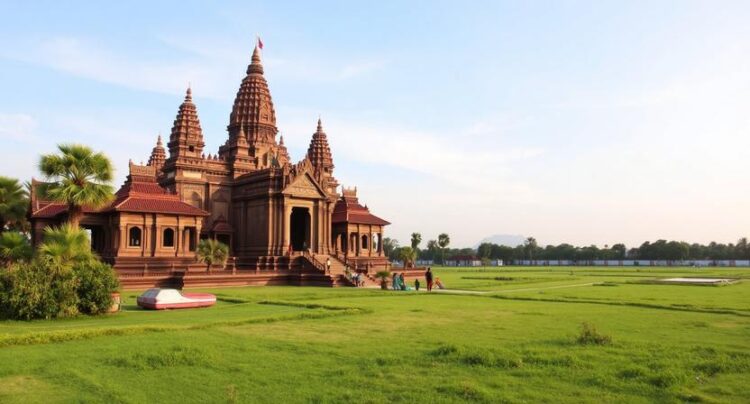
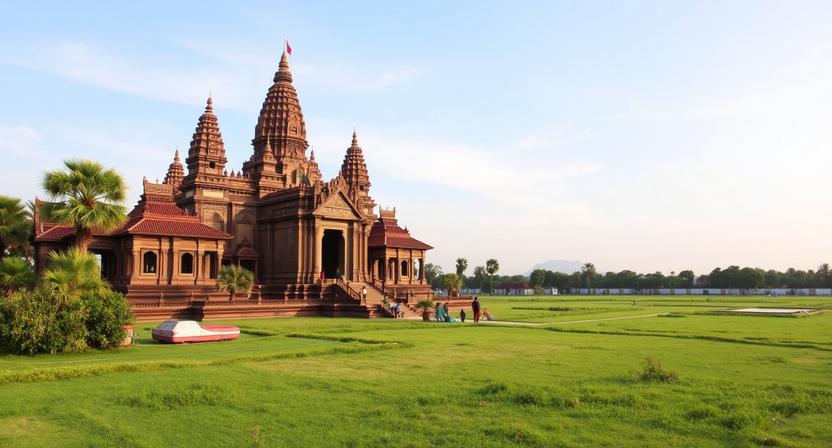
Cambodia Prepares for Surge in Indian Tourists in 2026 with Direct Flights, Cultural Initiatives and...
Article Summary:
Cambodia is preparing for a significant increase in Indian tourists in 2026, driven by stronger tourism relations and direct flight initiatives. Minister of Tourism Huot Hak highlighted the over 1,000 years of shared culture between Cambodia and India as a strong foundation for this growth. The article emphasizes Cambodia’s eagerness to capitalize on the growing travel market from India, which is becoming one of the biggest source markets for travel.
Key Points:
Actionable Takeaways:
Contextual Insights:
The article reflects the current trend of increasing travel between India and Cambodia, driven by historical ties and growing economic interests. With India becoming a major source market for travel, countries like Cambodia are strategically positioning themselves to capitalize on this influx. The emphasis on direct flights and cultural initiatives aligns with broader industry trends towards personalized and culturally rich travel experiences. Furthermore, the focus on eco-tourism reflects a growing global demand for sustainable travel options, which is likely to influence Cambodia’s tourism strategy in the coming years. These insights underscore the importance of leveraging historical connections, cultural experiences, and sustainable practices to enhance Cambodia’s appeal to Indian tourists.
Read the Complete Article.
Boutique Travel VC raises investment cap from $1.5M to $10M to lead rounds and support portfolio companies through growth Travel...
Read moreDetails



Macau — 2026-08-14 In short: Macao University of Tourism and China Tourism Academy co-host a forum on wellness tourism in...
Read moreDetails
