





















Travel Capitalist Ventures Expands Check Size to $10 Million to Deepen Emerging Market Conviction
Boutique Travel VC raises investment cap from $1.5M to $10M to lead rounds and support portfolio companies through growth Travel...
Read moreDetails
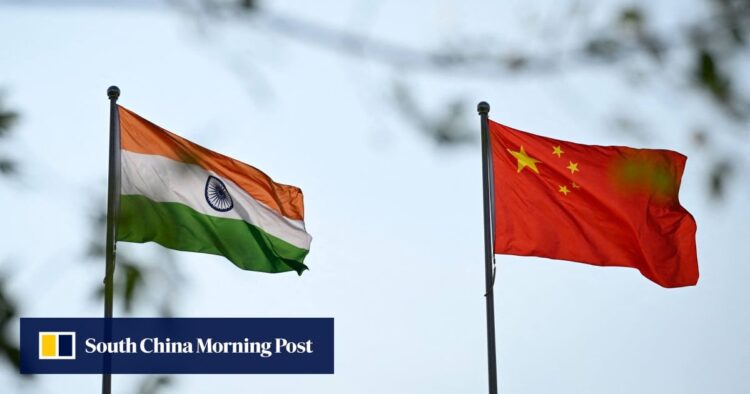
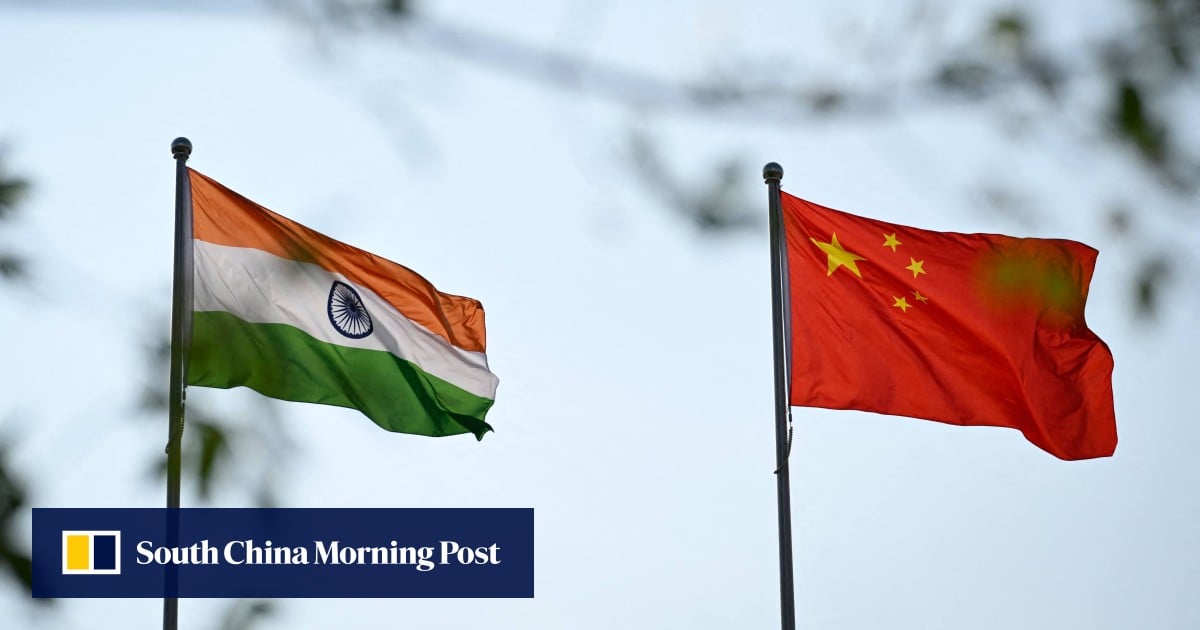
China eases visa rules for India, tapping into US$21.6 billion travel market
Article Summary:
Beijing and New Delhi are taking steps to normalize economic ties after a five-year rift, with China introducing a simplified visa process for Indian nationals. This move, effective from December 22, allows Indian citizens to apply for visas online, bypassing the need for in-person visits to embassies or consular offices. This development follows the resumption of direct flights between India and China in October, marking a thaw in relations that had been strained since a deadly border clash in 2020. The article also touches on the broader context of improving bilateral relations and the evolving travel market dynamics.
Key Points:
Actionable Takeaways:
Contextual Insights:
The normalization of economic ties between China and India, as evidenced by the simplified visa process and resumption of direct flights, is a significant development in the travel industry. This move reflects a broader trend of improving bilateral relations between the two nations, which have been strained due to geopolitical tensions. The introduction of digital visa applications is a prime example of how technological advancements are being integrated into travel logistics to enhance convenience and accessibility.
In the context of the travel industry, this development is particularly relevant as it opens up new avenues for travel and tourism. Indian citizens will now find it easier to visit China, which could lead to an increase in tourist arrivals and business travel. For travel startups and fintech companies, this presents a unique opportunity to capitalize on the growing travel market. Innovations in digital payments, travel insurance, and personalized travel experiences could be particularly impactful, given the ease of travel facilitated by the new visa process and direct flights.
Moreover, the article’s context also includes the broader implications of improving bilateral relations on the travel market. As China and India continue to strengthen their economic ties, the travel sector stands to benefit from increased cross-border interactions. This could lead to the emergence of new travel products and services tailored to the needs of travelers in both countries. For thought leaders in the travel industry, it is crucial to stay abreast of such developments and adapt strategies to leverage the opportunities presented by evolving travel trends and geopolitical shifts.
Read the Complete Article.
Boutique Travel VC raises investment cap from $1.5M to $10M to lead rounds and support portfolio companies through growth Travel...
Read moreDetails




