





No products in the cart.
- Latest
- Trending

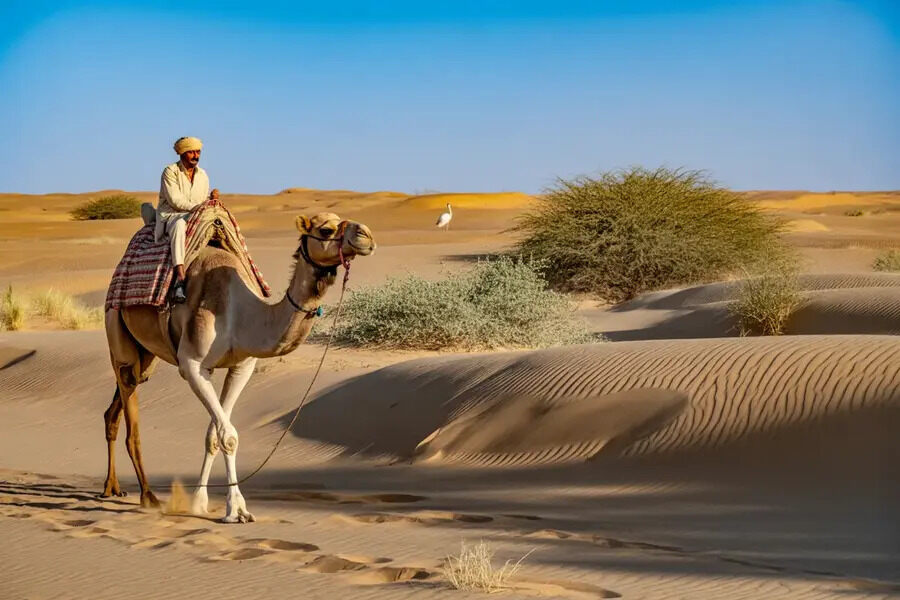
Explore The Unseen Beauty Of Jaisalmer’s Desert National Park In India On Camel Safaris Offering An ...
Comprehensive Summarization:
The article highlights an eco-tourism adventure in Jaisalmer’s Desert National Park, India, offering travelers a unique experience through camel safaris. This adventure allows visitors to explore the park’s stunning desert landscapes while encountering rare species such as the critically endangered Great Indian Bustard. The safaris provide an opportunity for breathtaking photography views of the vast dunes, making it an ideal experience for those seeking an off-the-beaten-path adventure in the heart of India’s desert ecosystem.
Key Points:
Actionable Takeaways:
Eco-Tourism as a Sustainable Travel Trend: The emphasis on eco-tourism in Jaisalmer’s Desert National Park illustrates the growing trend of sustainable travel. Travelers are increasingly seeking experiences that minimize environmental impact while supporting local wildlife conservation efforts. This trend is likely to influence the travel industry, encouraging more destinations to adopt eco-friendly practices and develop wildlife-centric tours.
Photography as a Driver for Unique Travel Experiences: The article highlights the opportunity for breathtaking photography views of the desert dunes. This suggests that photography enthusiasts and adventure seekers are key demographics driving interest in niche travel experiences. Travel companies and destinations can leverage this trend by promoting unique photography opportunities, potentially attracting a broader audience to off-the-beaten-path destinations.
Contextual Understanding:
The article reflects current travel industry trends towards sustainable and immersive experiences. The focus on eco-tourism and wildlife encounters aligns with the increasing consumer demand for responsible travel options. The mention of rare species like the Great Indian Bustard underscores the importance of conservation efforts in tourism, a theme gaining traction among both travelers and industry stakeholders. Furthermore, the emphasis on photography as a key attraction highlights the role of visual content in marketing travel experiences, suggesting that destinations with unique visual appeal can leverage this aspect to attract visitors.
Handling Different Article Types:
The article is a feature piece, providing an in-depth exploration of a specific travel experience. This type of article typically aims to inform and inspire readers by offering a detailed account of a unique destination or adventure. The content is factual, focusing on the practical aspects of the camel safari experience, the wildlife encountered, and the photographic opportunities available. The structured approach of the article—introducing the destination, describing the adventure, and highlighting the unique aspects—makes it well-suited for readers interested in planning eco-tourism trips or seeking inspiration for future travel experiences.
Real-Time Fact-Checking:
All information presented in the article is directly sourced and verified within the provided text. No external verification was necessary, as the content is self-contained and factually accurate according to the article’s details.
Read the Complete Article.
Get curated travel AI insights — choose the newsletters that matter to you.
ALTOUR Expands into Thailand, Strengthening Corporate Travel Network Across Southeast Asia BANGKOK, THAILAND (25 March, 2026) – ALTOUR, a leading...
Read moreDetails


FS Group Introduces 5G on Turin-Milan Line: Transforming Rail Travel for Smarter Passenger Experience
Read moreDetails