






No products in the cart.
- Latest
- Trending

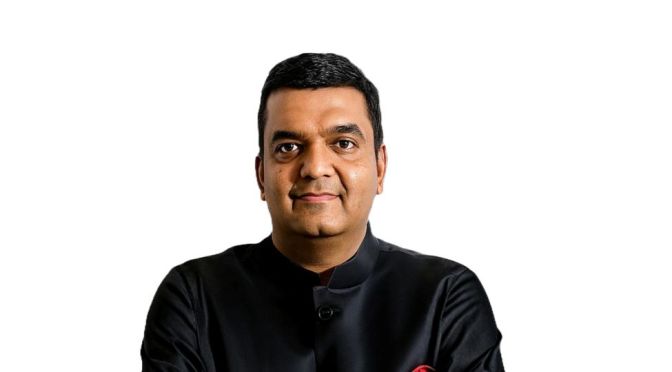
Tourism sector can replicate IT industry’s growth success: Dr Srivatsa Krishna
Comprehensive Summarization:
The article highlights Dr. Srivatsa Krishna, Secretary of India’s Ministry of Tourism, who draws a parallel between the transformative journey of the IT sector and the untapped potential of the tourism sector. Krishna emphasizes that tourism, with its current contribution of 14% to employment, has the capacity to scale globally, create jobs, and drive exports, much like the IT sector. He underscores the importance of private sector participation in unlocking transformative economic impact, suggesting that once the government establishes the necessary ecosystem, industries must take the lead in driving growth. The article also touches upon the latest travel trends and insights from thought leaders, reflecting on the evolving landscape of travel technology, startups, and fintech within the industry.
Key Points:
Actionable Takeaways:
Leverage Private Sector Leadership: For the tourism sector to achieve the same level of growth as the IT sector, it is imperative for the private sector to take the lead in driving innovation and expansion. This involves strategic investments, partnerships, and policy support to create a conducive ecosystem for tourism growth.
Focus on Digital Transformation: The article emphasizes the need for the tourism sector to embrace digital transformation, similar to the IT sector’s journey. This includes adopting advanced technologies such as AI, VR, and blockchain to enhance customer experiences, streamline operations, and open new revenue streams.
Invest in Workforce Development: With tourism already contributing significantly to employment, there is a need to invest in workforce development programs. Training and upskilling the tourism workforce will ensure that the sector can meet the demands of modernization and innovation, thereby sustaining long-term growth.
Contextual Insights:
The article’s context is deeply rooted in the current state of the travel industry, which is undergoing rapid digital transformation and witnessing a surge in startup activities, particularly in fintech and travel technology. The parallels drawn between the IT sector’s evolution and the potential of the tourism sector highlight a broader industry trend where sectors traditionally reliant on human interaction are being revolutionized by technology. This shift is not only driven by the need for efficiency and scalability but also by the increasing consumer demand for personalized, seamless travel experiences. Thought leaders in the travel industry are increasingly focusing on how startups and fintech innovations can play a pivotal role in this transformation, offering solutions that enhance operational efficiency, improve customer engagement, and open new market opportunities. The insights provided in the article align with these broader trends, offering a forward-looking perspective on the future of the travel industry in India and beyond.
Read the Complete Article.
Get curated travel AI insights — choose the newsletters that matter to you.
This spot is reserved for brands with a compelling story for the travel trade. They use this space to cut...
Read moreDetailsALTOUR Expands into Thailand, Strengthening Corporate Travel Network Across Southeast Asia BANGKOK, THAILAND (25 March, 2026) – ALTOUR, a leading...
Read moreDetails


Comprehensive Summarization: The article discusses a significant increase in jet fuel prices, primarily driven by supply disruptions stemming from the...
Read moreDetails