






No products in the cart.
- Latest
- Trending

‘Big Opportunity’: Surat Traders Eye Growth For India’s Textile Industry Amid Bangladesh Crisis
Comprehensive Summarization:
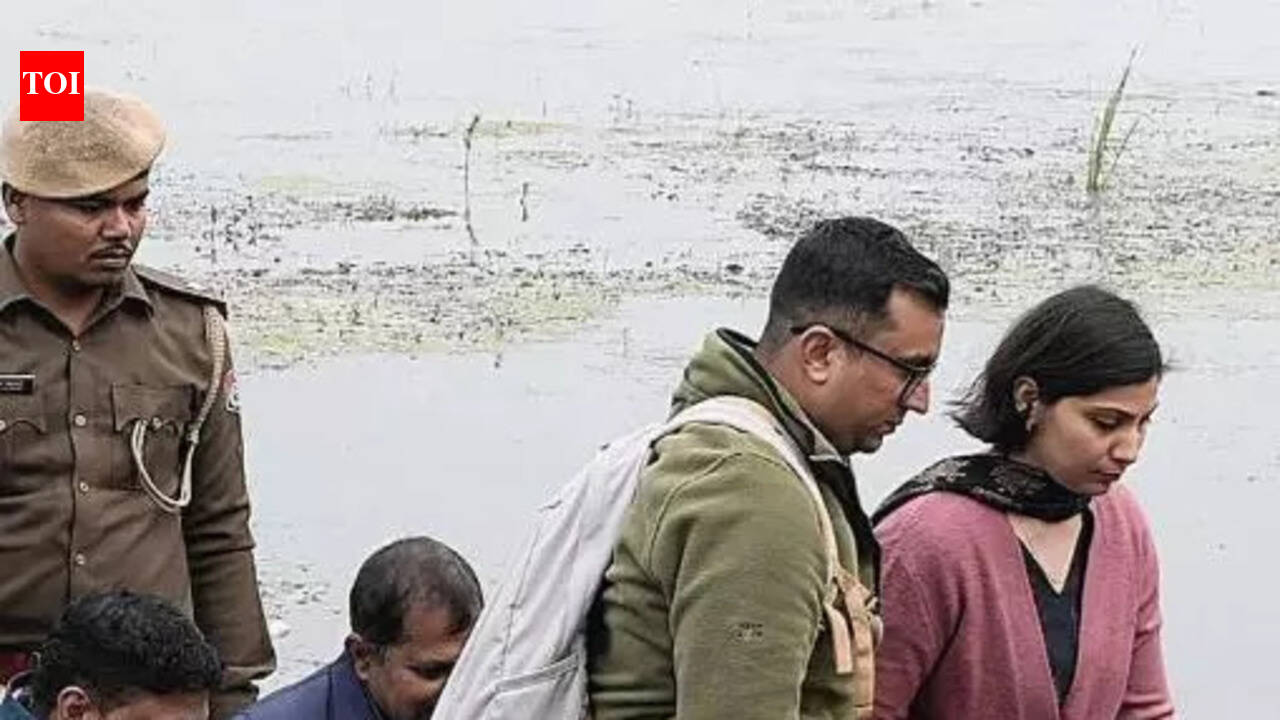
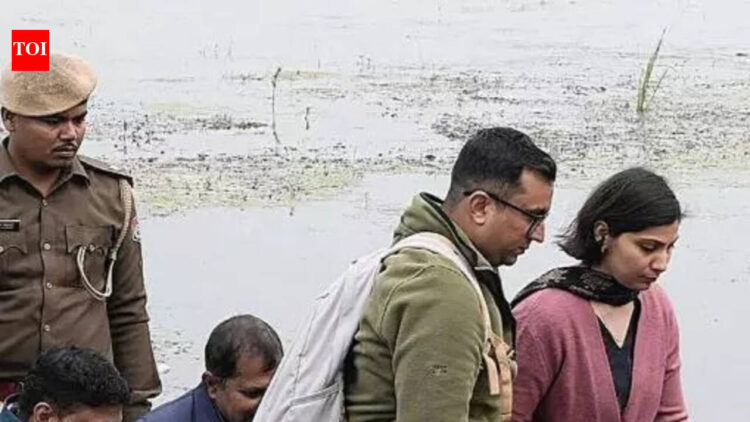
The article highlights the efforts of District Magistrate Sahila in Buxar, India, to boost eco-tourism and conservation at the Gokul reservoir. Inspecting ongoing development work, she emphasized the need to protect the wetland, which annually hosts over 3,500 migratory birds from nearly 65 species. The DM stressed the importance of preserving this unique natural heritage site, noting its significance as a major center for migratory birds. The article also touches on the broader context of travel trends and insights, underscoring the growing emphasis on sustainable tourism and conservation efforts in the travel industry.
Key Points:
Actionable Takeaways:
Prioritize Eco-Tourism Development: District Magistrate Sahila’s emphasis on expediting land demarcation and road repair underscores the importance of infrastructure development in eco-tourism. This action is crucial for enhancing visitor experience while ensuring the protection of natural habitats. It aligns with current industry trends towards sustainable tourism, which seeks to balance economic benefits with environmental conservation.
Focus on Bird Conservation: The article highlights the Gokul reservoir’s significance as a habitat for over 3,500 migratory birds from 65 species. Conservation efforts should prioritize the protection of these bird species and their habitats. This not only supports biodiversity but also enhances the reservoir’s appeal as a birdwatching destination, potentially boosting eco-tourism revenue.
Leverage Technology for Monitoring and Management: The integration of technology in monitoring bird populations and managing wetland conservation efforts can provide valuable data for decision-making. Implementing IoT devices for real-time monitoring of bird movements and environmental conditions can help in proactive management and conservation strategies. This aligns with the growing trend of using technology in travel and tourism to enhance visitor experiences and support conservation efforts.
Contextual Insights:
The article reflects the current emphasis in the travel industry on sustainable and eco-friendly tourism practices. The focus on protecting the Gokul reservoir’s wetland aligns with global trends towards conservation tourism, where the primary goal is to preserve natural environments while providing visitors with unique experiences. This trend is supported by thought leaders who advocate for integrating conservation efforts into tourism development plans. Furthermore, the article’s mention of the reservoir as a major center for migratory birds underscores the importance of biodiversity in attracting eco-tourists. As the travel industry continues to evolve, such initiatives are likely to gain traction, driven by both regulatory pressures and consumer demand for responsible travel options. The integration of technology in conservation efforts also reflects a broader industry shift towards data-driven decision-making, enhancing the effectiveness of conservation strategies.
Read the Complete Article.
Get curated travel AI insights — choose the newsletters that matter to you.
ALTOUR Expands into Thailand, Strengthening Corporate Travel Network Across Southeast Asia BANGKOK, THAILAND (25 March, 2026) – ALTOUR, a leading...
Read moreDetails


Comprehensive Summarization: The article highlights Jammu & Kashmir's significant presence at the India International Travel Mart (IITM) Kolkata 2026, showcasing...
Read moreDetails