




No products in the cart.
- Latest
- Trending

Emirates joins Qatar Airways, Air India, and British Airways to Fuel Saudi Arabia’s Tourism Surge: H...
Comprehensive Summarization:
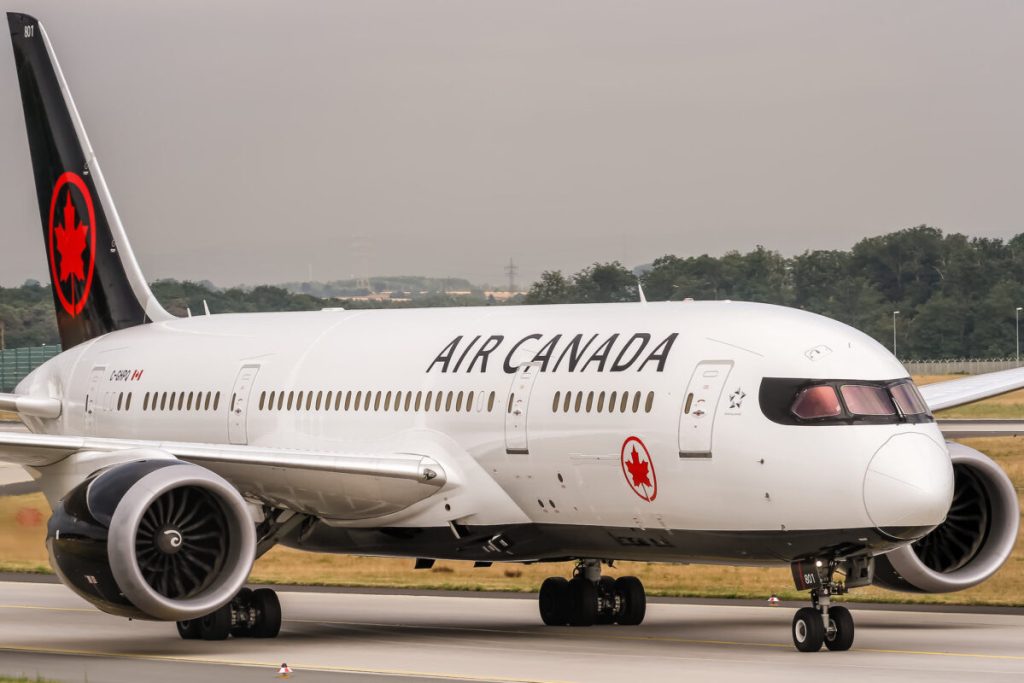
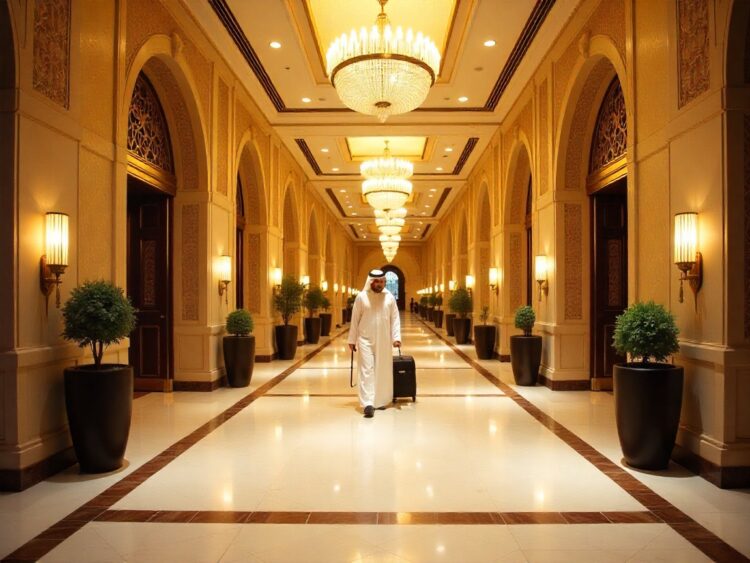
The article highlights the significant role played by Emirates, Qatar Airways, and Air India in driving Saudi Arabia’s tourism surge. These airlines have expanded their services to meet the increasing demand for travel to the Kingdom, aligning with the country’s Vision 2030 goals aimed at diversifying the economy and enhancing global tourism. A key development in this context is the grand opening of the Sofitel Riyadh Hotel and Convention Centre, which is part of the broader transformation of the Saudi hospitality sector. This initiative underscores the growing influence of luxury hotels in shaping the tourism landscape in Saudi Arabia.
Key Points:
Actionable Takeaways:
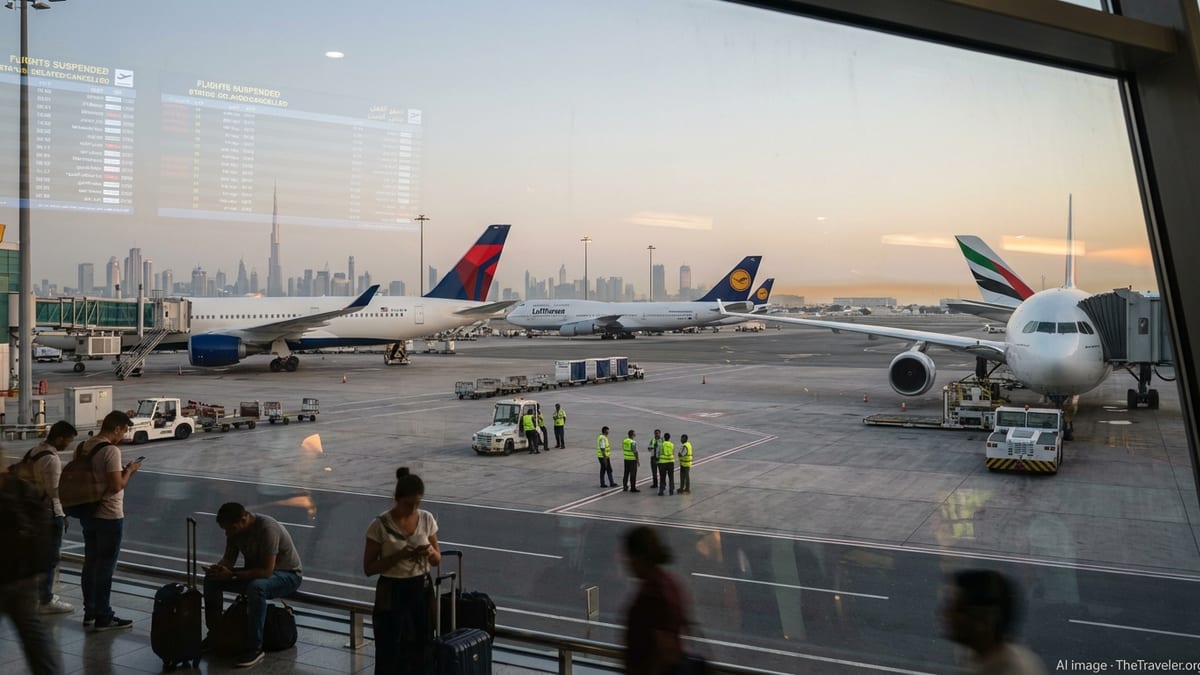
Strategic Expansion of Air Travel: Airlines such as Emirates, Qatar Airways, and Air India are strategically expanding their services to Saudi Arabia to capitalize on the growing tourism demand. This expansion is crucial for enhancing connectivity and attracting more international visitors, thereby supporting Saudi Arabia’s Vision 2030 goals.
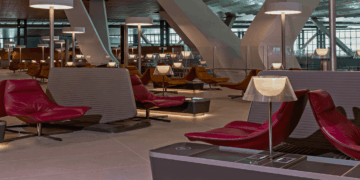
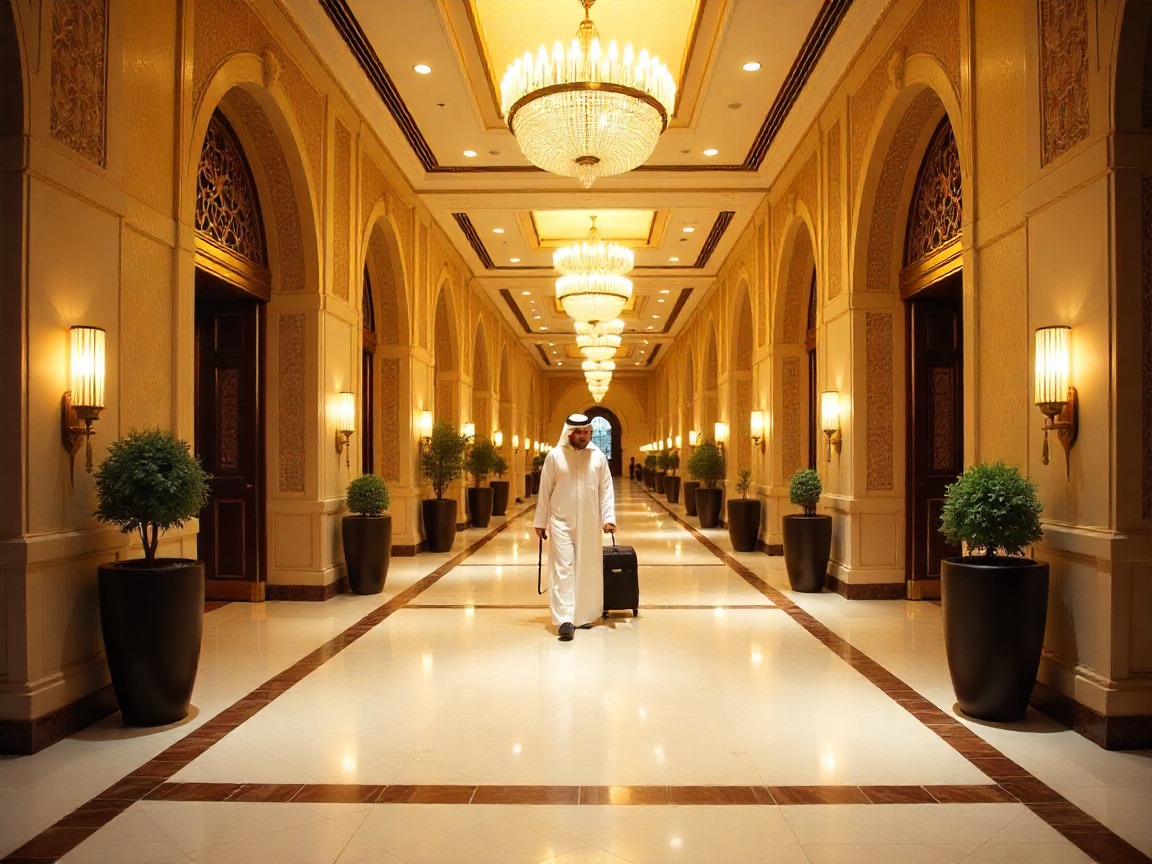
Luxury Hospitality as a Tourism Driver: The opening of Sofitel Riyadh Hotel and Convention Centre exemplifies how luxury hotels are pivotal in transforming the Saudi hospitality sector. Investing in high-end hospitality can significantly enhance the tourist experience, making Saudi Arabia a more attractive destination for global travelers.
Focus on Vision 2030 Goals: The initiatives by these airlines and the opening of luxury hotels are direct responses to Saudi Arabia’s Vision 2030 strategy. These efforts aim to diversify the economy, reduce dependency on oil revenues, and position the country as a premier global tourism destination.
Contextual Insights:
The article reflects the current travel industry trends where strategic partnerships and infrastructure development play crucial roles in boosting tourism. The expansion of international airlines to Saudi Arabia is a response to the country’s ambitious tourism goals outlined in Vision 2030. The grand opening of Sofitel Riyadh Hotel and Convention Centre is indicative of the increasing importance of luxury hospitality in attracting high-end tourists. These developments align with broader industry insights that emphasize the importance of connectivity, luxury offerings, and alignment with national tourism strategies to drive sustainable growth in the travel sector. As the travel industry continues to evolve, such strategic moves are expected to shape future trends, particularly in terms of international travel demand and luxury hospitality investments.
Read the Complete Article.
Get curated travel AI insights — choose the newsletters that matter to you.
ALTOUR Expands into Thailand, Strengthening Corporate Travel Network Across Southeast Asia BANGKOK, THAILAND (25 March, 2026) – ALTOUR, a leading...
Read moreDetails


Comprehensive Summarization: The article discusses Nepal's strategic initiative to transform Lumbini, the birthplace of Gautama Buddha and a UNESCO World...
Read moreDetails