










No products in the cart.
- Latest
- Trending


Revitalizing India's Tourism and Hospitality Amidst Challenges, ETHospitalityWorld
Comprehensive Summarization:
The article delves into the historical evolution of travel, tracing its origins back to ancient times when it was primarily driven by necessity for food, safety, and shelter. As civilizations advanced, travel became intertwined with trade, leading to the development of organized routes such as the Silk Road. The article highlights significant figures in travel history, including Marco Polo, Columbus, and Vasco de Gama, who were instrumental in shaping modern travel. The advent of steam railways and air travel in the early 20th century marked the beginning of modern tourism, with Thomas Cook emerging as a pivotal figure in the travel industry. The article underscores the importance of travel in human culture and its continuous evolution driven by technological advancements and changing societal needs.
Key Points:
Actionable Takeaways:
Contextual Insights:
The article’s emphasis on the historical and cultural significance of travel underscores its enduring relevance in today’s globalized world. As travel continues to evolve, driven by technological innovations and changing consumer preferences, the industry must adapt to remain relevant. The emergence of travel startups and fintech solutions presents new opportunities for enhancing the travel experience, from booking to payment processes. By integrating these advancements, travel companies can offer more personalized, efficient, and secure services, catering to the modern traveler’s expectations. The article also reflects on the broader societal shift towards leisure travel, suggesting that travel companies should focus on creating memorable experiences that go beyond mere transportation and accommodation.
Read the Complete Article.
Get curated travel AI insights — choose the newsletters that matter to you.
This spot is reserved for brands with a compelling story for the travel trade. They use this space to cut...
Read moreDetailsALTOUR Expands into Thailand, Strengthening Corporate Travel Network Across Southeast Asia BANGKOK, THAILAND (25 March, 2026) – ALTOUR, a leading...
Read moreDetails


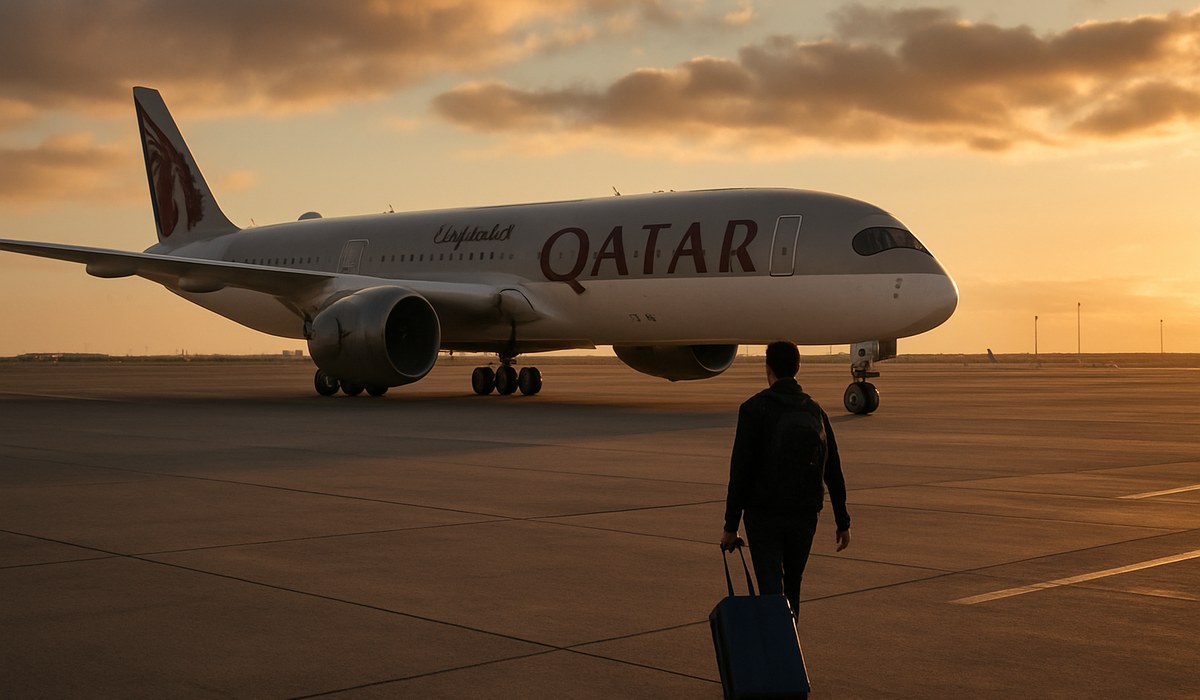
Comprehensive Summarization: Qatar Airways has announced a significant reduction in flight operations through March 28, 2026, due to temporary airspace...
Read moreDetails