











No products in the cart.
- Latest
- Trending

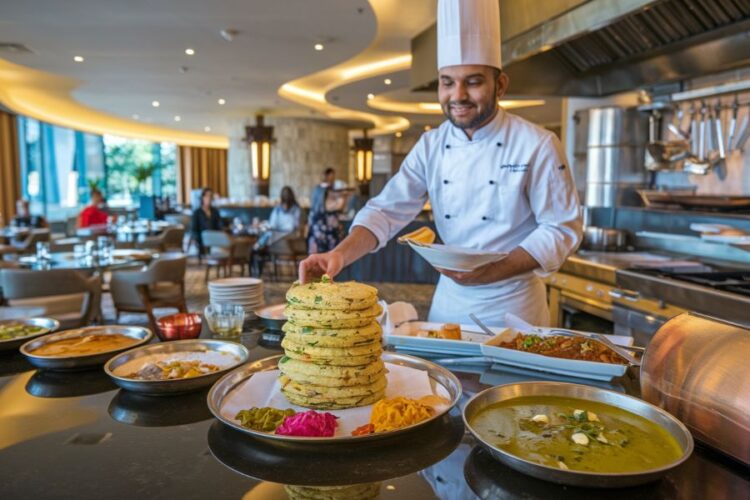
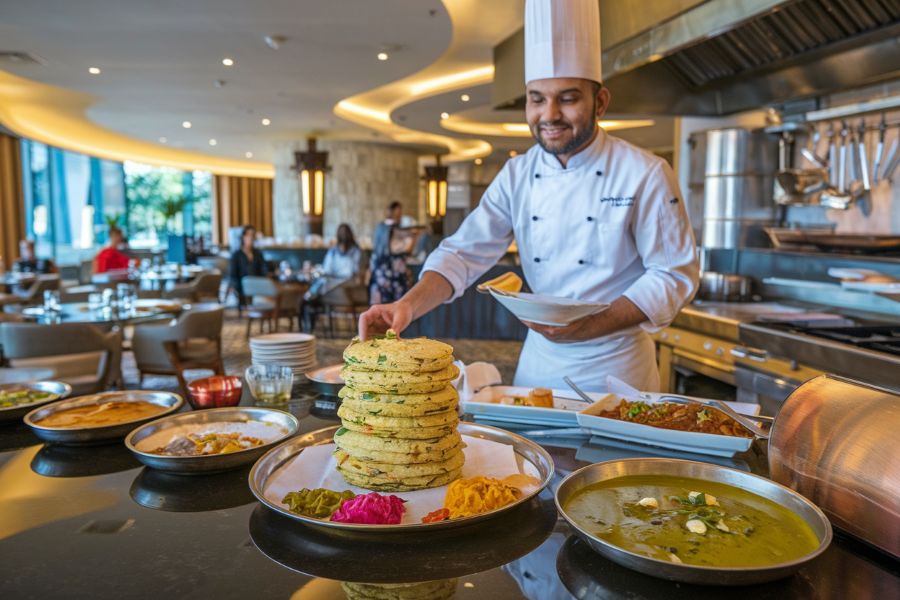
European Flavours Set To Transform India’s culinary And hospitality Scene Into A Premium Playground
Comprehensive Summarization:
The article discusses the growing trend of Indian chefs in hotel kitchens incorporating European flavors and ingredients into traditional Indian dishes such as dhoklas, kebabs, and kormas. This fusion movement is not just a passing artistic trend but is transforming Indian restaurants into high-end dining establishments. It is attracting both local and international customers who are seeking international food experiences. The article highlights how this culinary innovation is enabling Indian restaurants to establish themselves in the premium dining sector, catering to the demand for international food among discerning travelers and diners.
Key Points:
Actionable Takeaways:
Innovation in Culinary Offerings: Indian restaurants can leverage the fusion of European flavors to differentiate themselves in the premium dining market. This innovation can attract a broader customer base, including international tourists and affluent locals, thereby increasing revenue and market share.
Market Expansion Opportunities: By adopting a fusion cuisine approach, Indian restaurants can tap into the growing demand for international food experiences among travelers. This strategy can open new markets and opportunities for growth, particularly in tourist-heavy regions within India.
Brand Positioning: Establishing a reputation for offering unique and high-end dining experiences can enhance brand value. This positioning can lead to increased customer loyalty and positive word-of-mouth, which are crucial for sustained success in the competitive hospitality industry.
Contextual Insights:
The article reflects the current trend of culinary innovation in the travel and hospitality industry, where chefs are experimenting with global flavors to create unique dining experiences. This trend aligns with broader industry shifts towards premiumization, where customers are willing to pay a premium for distinctive and culturally rich dining experiences. The fusion of European flavors with traditional Indian dishes is a testament to the evolving tastes of modern diners who seek novelty and sophistication in their culinary choices. Furthermore, this trend underscores the importance of adaptability and innovation in the hospitality sector, particularly in regions with a rich culinary heritage like India. As travel and tourism continue to recover and expand globally, such culinary innovations will play a crucial role in attracting and retaining a diverse clientele, thereby driving the growth of the hospitality sector.
Read the Complete Article.
Get curated travel AI insights — choose the newsletters that matter to you.
ALTOUR Expands into Thailand, Strengthening Corporate Travel Network Across Southeast Asia BANGKOK, THAILAND (25 March, 2026) – ALTOUR, a leading...
Read moreDetails


Comprehensive Summarization: The article discusses the growing trend of Indian chefs in hotel kitchens incorporating European flavors and ingredients into...
Read moreDetails