















Travel Capitalist Ventures Expands Check Size to $10 Million to Deepen Emerging Market Conviction
Boutique Travel VC raises investment cap from $1.5M to $10M to lead rounds and support portfolio companies through growth Travel...
Read moreDetails
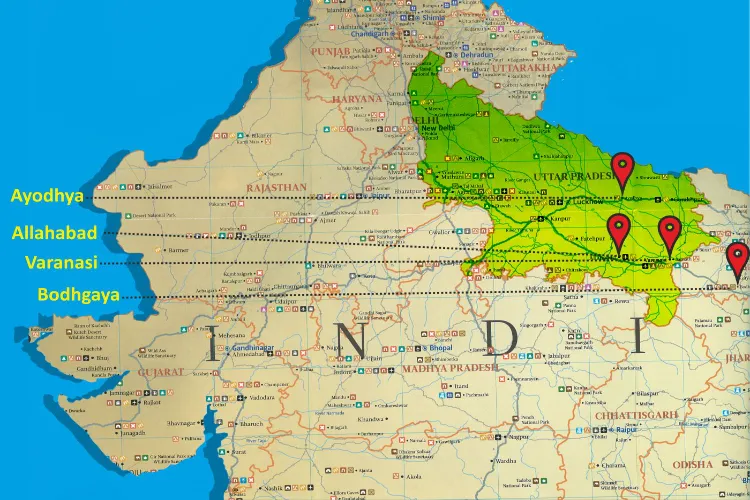
Faith corridors redraw UP’s tourism map in 2025
Article Summary:
The article highlights the emergence of Prayagraj, in Uttar Pradesh, as a key site for religious tourism in India, particularly due to the Mahakumbh 2025 event. The city, which saw a significant influx of devotees during the event, has since become a consistent destination for religious tourism. However, a stampede during the Mahakumbh on Mauni Amavasya initially slowed the flow of visitors, though the impact was short-lived. The article underscores the city’s growing importance in the religious tourism sector and the potential implications for travel and tourism in the region.
Key Points:
Actionable Takeaways:
Contextual Insights:
The emergence of Prayagraj as a key site for religious tourism aligns with the broader trend of increasing religious tourism globally. Recent years have seen a rise in religious pilgrimages and spiritual tourism, driven by factors such as digital connectivity, social media influence, and a growing interest in spiritual experiences. Thought leaders in the travel industry have noted that destinations offering unique religious and cultural experiences are increasingly attracting visitors, contributing to economic growth and cultural exchange.
The article also reflects the importance of managing large crowds effectively, a challenge that many travel destinations face during major events. The incident at Prayagraj underscores the need for robust safety measures and crowd management strategies, which are becoming increasingly critical in the travel industry. As travel technology evolves, innovations in crowd management, safety systems, and visitor experience platforms are likely to play a significant role in enhancing the appeal of religious tourism destinations.
In conclusion, Prayagraj’s rise as a key religious tourism site presents both challenges and opportunities for the travel industry. By investing in infrastructure, enhancing safety protocols, and leveraging religious tourism for economic growth, stakeholders can capitalize on this trend to drive sustainable development and enhance the visitor experience.
Read the Complete Article.
Boutique Travel VC raises investment cap from $1.5M to $10M to lead rounds and support portfolio companies through growth Travel...
Read moreDetails



Comprehensive Summarization: Genting Singapore Ltd, the operator of Resorts World Sentosa casino complex in Singapore, is confident in its position...
Read moreDetails
