
























Travel Capitalist Ventures Expands Check Size to $10 Million to Deepen Emerging Market Conviction
Boutique Travel VC raises investment cap from $1.5M to $10M to lead rounds and support portfolio companies through growth Travel...
Read moreDetails
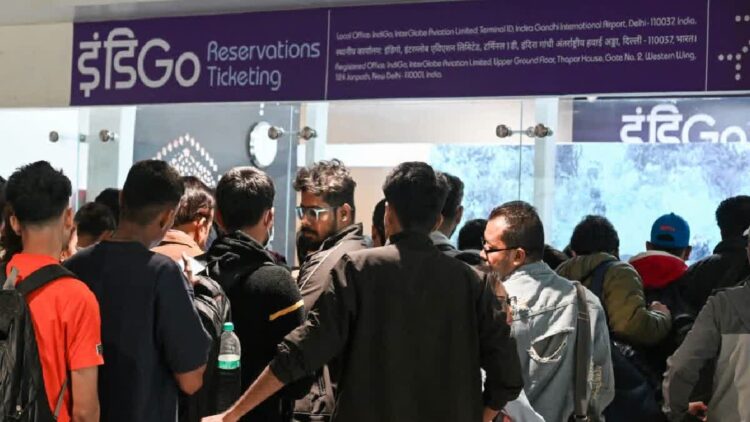
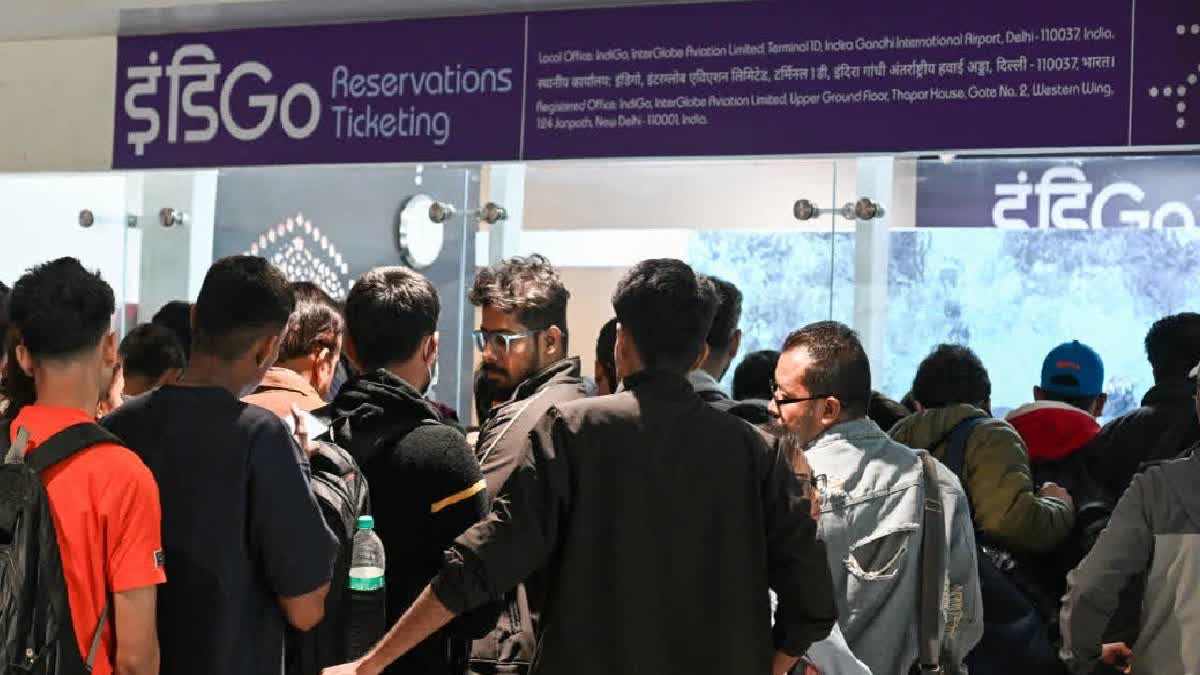
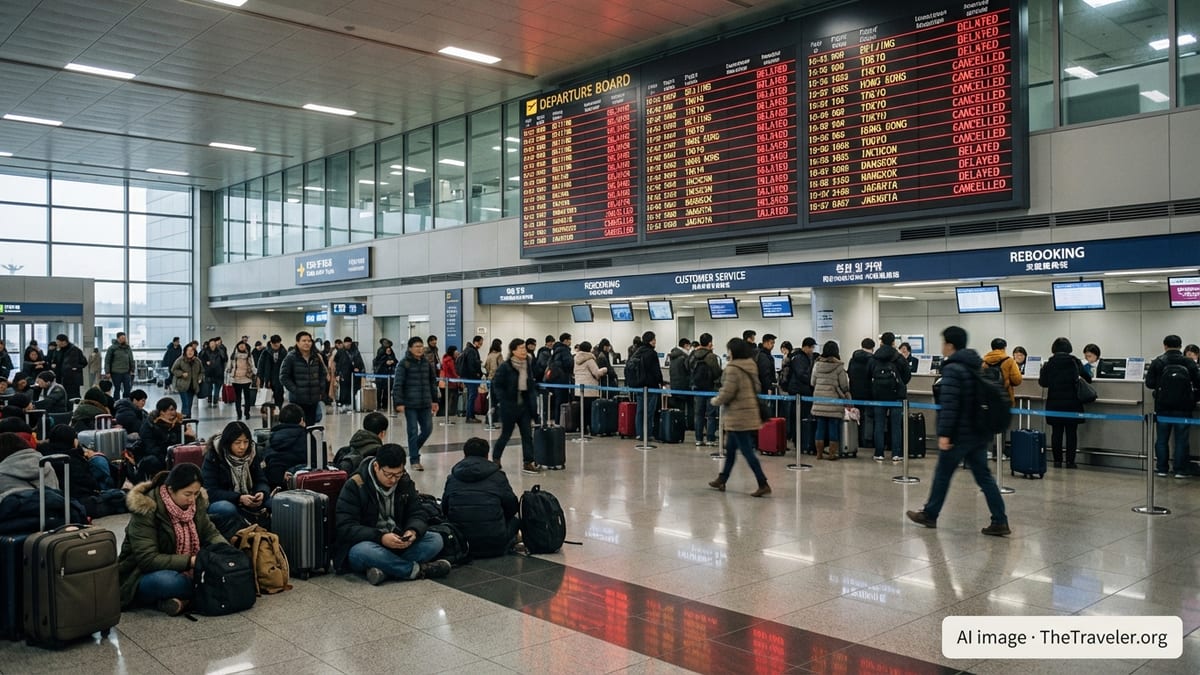
Flight Cancellations Crush Holiday Plans As Tourism Industry Faces Heat
Article Summary:
The article discusses the significant impact of flight cancellations on holiday plans, particularly for Dr Khushbu Tantia and her husband, who were forced to abort their trip from Kolkata to Hyderabad due to an IndiGo flight cancellation. This incident highlights the broader challenges faced by the tourism industry, which is currently experiencing increased flight cancellations and delays, leading to heightened stress for travelers and potential financial losses for airlines. The article underscores the vulnerability of the travel sector to operational disruptions and the need for improved resilience in travel planning and logistics.
Key Points:
Actionable Takeaways:
Contextual Insights:
The recent surge in flight cancellations and delays underscores the vulnerabilities within the travel industry, particularly in the face of operational challenges such as adverse weather conditions, technical issues, and staffing shortages. This situation is exacerbated by the ongoing global travel restrictions and safety protocols implemented in response to the pandemic. As highlighted in the article, the stress caused by such disruptions can lead to significant dissatisfaction among travelers, impacting their overall travel experience and potentially deterring future bookings.
In light of these challenges, there is a growing emphasis on leveraging technology to enhance travel resilience. Innovations in travel tech, such as AI-driven predictive analytics and automated rebooking systems, are becoming increasingly vital. These solutions can help airlines and travel agencies anticipate and mitigate the impact of disruptions, ensuring smoother travel experiences for customers. Furthermore, the integration of fintech solutions can provide more flexible payment options and compensation for affected travelers, further enhancing the resilience of the travel sector.
As the industry continues to evolve, staying ahead of emerging trends and technological advancements will be crucial. Thought leaders in the travel sector are advocating for a proactive approach to managing disruptions, emphasizing the importance of customer-centric strategies and robust technological infrastructure. By adopting these forward-looking insights, the travel industry can better navigate the complexities of modern travel, ensuring a more seamless and enjoyable experience for travelers worldwide.
Read the Complete Article.
Boutique Travel VC raises investment cap from $1.5M to $10M to lead rounds and support portfolio companies through growth Travel...
Read moreDetails




