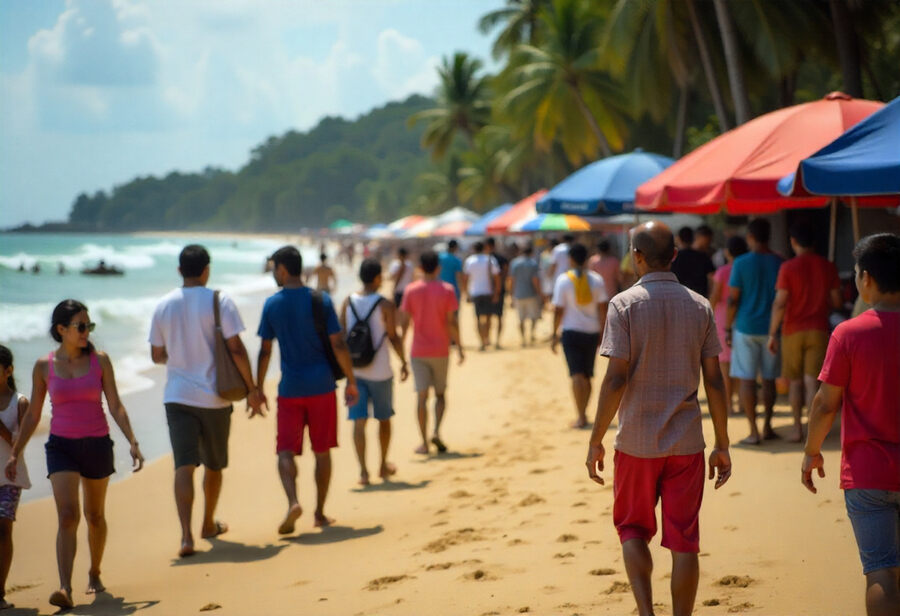
Germany, alongside Australia, Russia, the UK, and India, has collaborated to bolster Sri Lanka’s tourism sector in 2026. The initiative has been successful, with the country welcoming over 67,000 international visitors within the first eight days of the year. This significant influx underscores the diverse appeal of Sri Lanka and its ongoing recovery in the tourism industry, positioning it as a popular destination among key markets including Europe, Australia, and South Asia.
Key Points:
Collaborative Effort: Germany, Australia, Russia, the UK, and India have united to support Sri Lanka’s tourism industry in 2026.
Strong Visitor Influx: Sri Lanka welcomed more than 67,000 international visitors in the first eight days of 2026.
Diverse Market Appeal: The surge in arrivals reflects the country’s appeal to various markets, including Europe, Australia, and South Asia.
Tourism Recovery: The influx demonstrates Sri Lanka’s recovery and growing appeal in the tourism sector.
Actionable Takeaways:
Strategic Partnerships: The collaboration between Germany, Australia, Russia, the UK, and India highlights the importance of strategic partnerships in driving tourism growth. Travel industry stakeholders should explore similar collaborations to enhance market reach and attract diverse visitor demographics.
Market Diversification: The success of Sri Lanka’s tourism in attracting visitors from Europe, Australia, and South Asia underscores the importance of diversifying market appeal. Travel companies and destinations should focus on marketing strategies that resonate with these key markets to sustain growth.
Recovery Strategies: The article provides insights into effective recovery strategies for the tourism industry. By leveraging international partnerships and targeting diverse markets, destinations can accelerate their recovery and establish themselves as attractive travel destinations.
Contextual Insights:
The collaboration between Germany, Australia, Russia, the UK, and India to boost Sri Lanka’s tourism in 2026 is a strategic move that reflects the interconnected nature of the global tourism industry. This initiative is indicative of a broader trend where countries are forming alliances to revive and grow their tourism sectors, especially in the wake of recent global disruptions. The success of Sri Lanka in attracting over 67,000 visitors in the first eight days of 2026 is a testament to the power of such collaborations and the importance of diversifying market appeal.
In the context of current travel trends, the emphasis on strategic partnerships and market diversification is crucial. The rise of digital platforms and travel tech solutions has enabled destinations to reach a global audience more effectively. Furthermore, the increasing focus on sustainable and inclusive tourism practices aligns with the growing expectations of modern travelers. As the travel industry continues to evolve, leveraging such collaborative efforts and embracing innovative travel solutions will be key to sustaining growth and resilience in the face of future challenges.