

















Travel Capitalist Ventures Expands Check Size to $10 Million to Deepen Emerging Market Conviction
Boutique Travel VC raises investment cap from $1.5M to $10M to lead rounds and support portfolio companies through growth Travel...
Read moreDetails

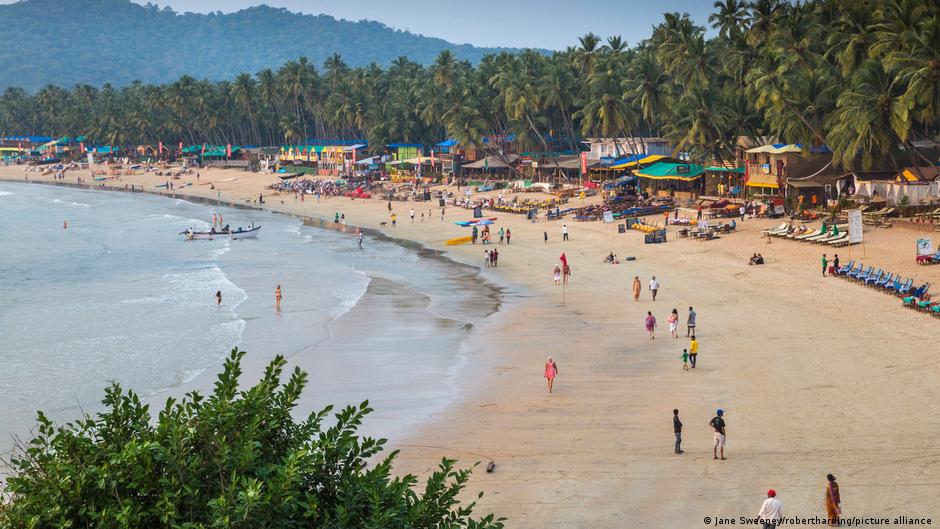
Millions of tourists head to Goa's sandy beaches every year [FILE: August 23, 2018]Image: Jane Sweeney/robertharding/picture alliance
Article Summary:
A fire at a popular nightclub in the tourist resort of Goa, India, has resulted in at least 25 deaths. Chief Minister of Goa, Pramod Sawant, visited the site and ordered an inquiry into the incident. He also stated that those responsible will face stringent legal action, and the families of the victims will receive compensation of up to 200,000 rupees ($2,200, €1,910) each. Indian Prime Minister Narendra Modi has assured Sawant of support, and the families will receive compensation.
Key Points:
Actionable Takeaways:
Contextual Insights:
The incident in Goa underscores the ongoing challenges faced by the tourism industry, particularly in regions popular with international tourists. The focus on safety, government support, and legal accountability is not only relevant to this specific incident but also reflects broader trends in the travel industry. As the industry continues to recover from the impacts of the COVID-19 pandemic, ensuring the safety of tourists and providing robust support systems for affected individuals will be critical. Furthermore, the incident highlights the potential for technological advancements in safety measures, such as real-time monitoring systems and AI-driven emergency response systems, which could be integrated into tourism infrastructure to prevent similar incidents in the future.
Read the Complete Article.
Boutique Travel VC raises investment cap from $1.5M to $10M to lead rounds and support portfolio companies through growth Travel...
Read moreDetails




