






No products in the cart.
- Latest
- Trending

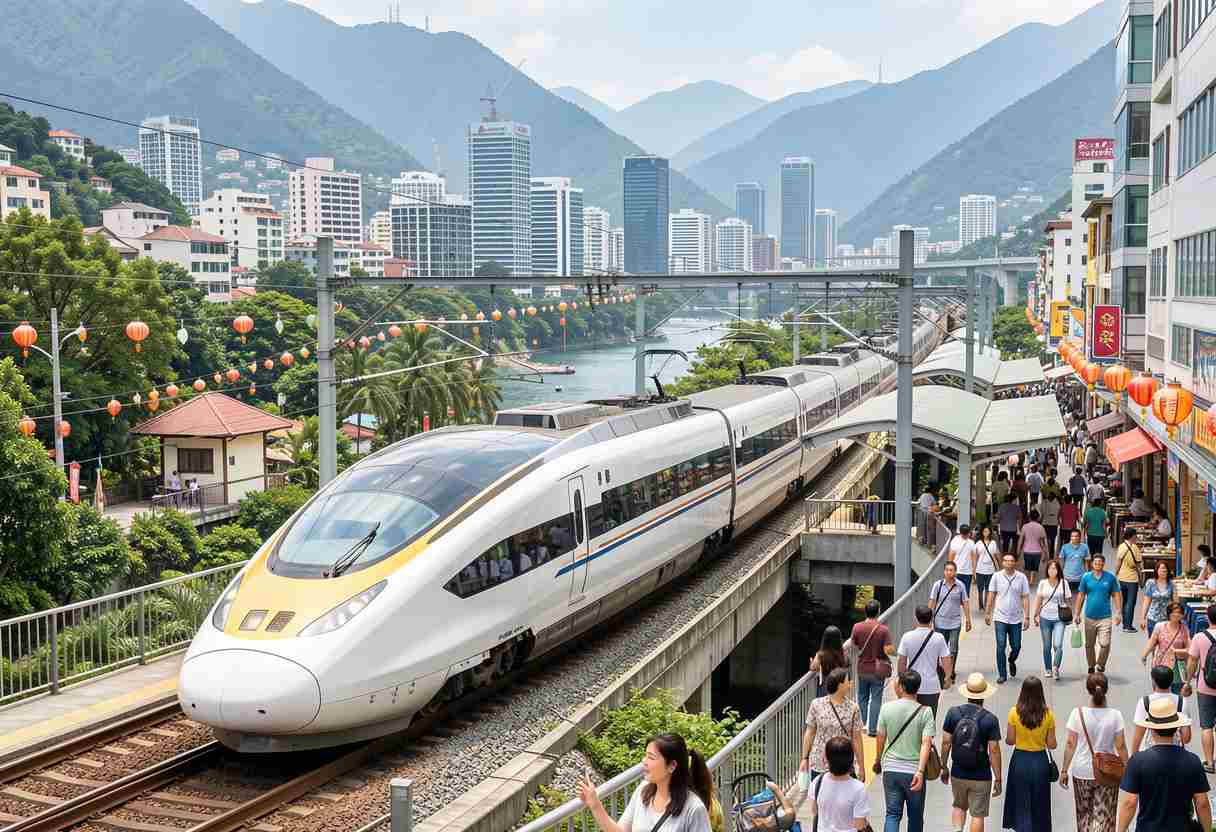
How High-Speed Rail is Revolutionizing the Tourism Industry: Faster Travel, Boosted Tourism, and Eco...
Comprehensive Summarization:
The article discusses the transformative impact of high-speed rail (HSR) on the tourism industry, highlighting its role in reducing travel times, boosting tourism, contributing to economic growth, and promoting sustainability. As of February 9, 2026, HSR networks are becoming more interconnected, indicating a global trend towards advanced transportation infrastructure. This development is reshaping how people travel, offering faster, more efficient travel options that enhance the overall travel experience and stimulate economic activity in regions served by these networks.
Key Points:
Actionable Takeaways:
Investment in HSR Networks: Countries should continue to invest in expanding their high-speed rail networks to capitalize on the economic benefits and tourism growth associated with HSR. This investment can lead to job creation, increased regional development, and enhanced connectivity, making travel more accessible and attractive to tourists.
Promoting Sustainable Tourism: High-speed rail’s contribution to sustainability can be leveraged to promote eco-friendly travel options. Travel agencies and tourism boards can highlight the environmental benefits of HSR to attract environmentally conscious tourists, thereby boosting tourism in regions served by these networks.
Integration of Technology in Travel: The increasing interconnectivity of HSR networks suggests a trend towards integrating technology in travel. Travel companies can explore innovations such as mobile ticketing, real-time tracking, and personalized travel experiences to enhance customer satisfaction and operational efficiency.
Contextual Insights:
The article reflects the ongoing global trend towards modernizing transportation infrastructure to meet the demands of a fast-paced, interconnected world. The expansion of HSR networks in major economies like China, Spain, Japan, and India underscores the importance of high-speed rail in facilitating seamless travel across vast distances. This trend is supported by the increasing focus on sustainability, as countries seek to reduce their carbon footprint through more efficient and environmentally friendly transportation solutions. Furthermore, the integration of technology in travel, as hinted at by the article’s mention of interconnected networks, points to a future where travel experiences are not only faster and more convenient but also more personalized and technologically advanced. These insights suggest that the travel industry must adapt to these changes by embracing technological innovations and sustainable practices to remain competitive and meet the evolving expectations of travelers.
Read the Complete Article.
Get curated travel AI insights — choose the newsletters that matter to you.
This spot is reserved for brands with a compelling story for the travel trade. They use this space to cut...
Read moreDetailsALTOUR Expands into Thailand, Strengthening Corporate Travel Network Across Southeast Asia BANGKOK, THAILAND (25 March, 2026) – ALTOUR, a leading...
Read moreDetails


Comprehensive Summarization: The article announces significant developments in the aviation sector, particularly focusing on International Airlines Group (IAG) and its...
Read moreDetails