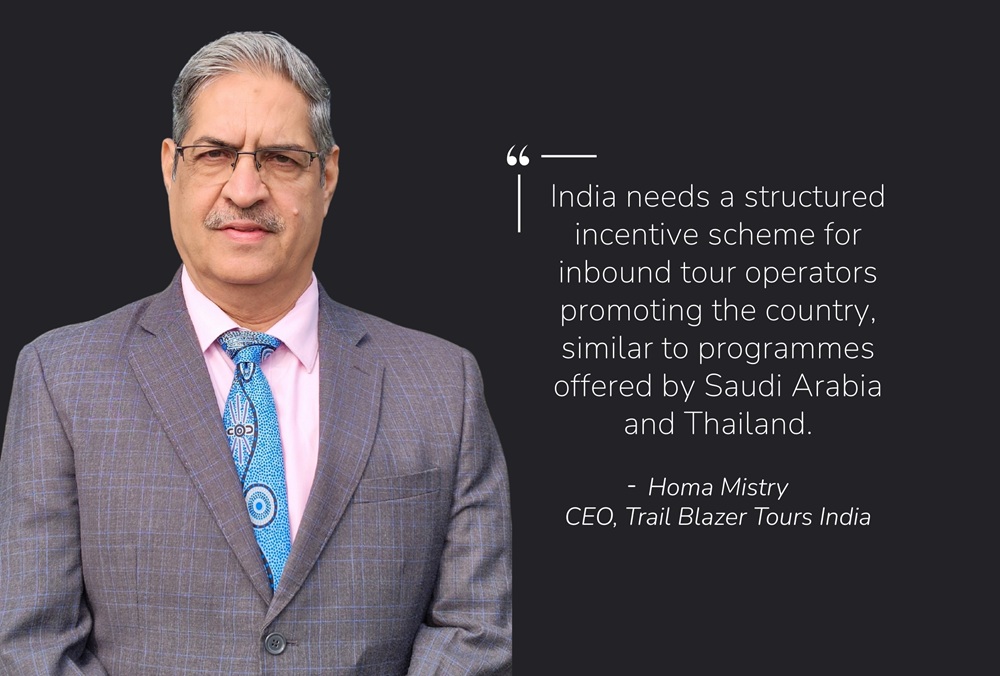
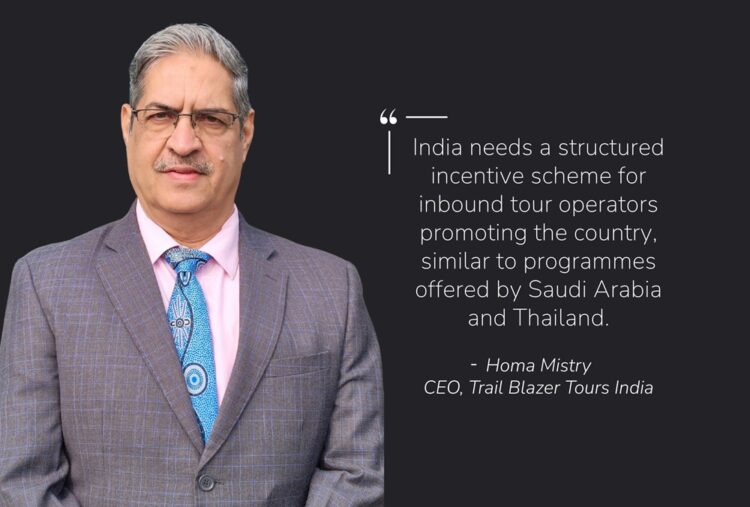
India’s inbound tourism sector, despite facing significant disruptions due to geopolitical shocks and disrupted travel corridors in the past year, is poised for recovery. Homa Mistry, CEO of Trail Blazer Tours India, emphasizes the crucial role of inbound tour operators in the country’s tourism recovery. The article highlights how geopolitical tensions and travel disruptions have adversely affected peak seasons and long-planned travel itineraries. However, it underscores the resilience of the sector, suggesting that despite these challenges, India’s inbound tourism story remains firmly on course. The focus is on the overlooked role of tour operators and the need to address policy gaps to further boost inbound tourism.
Key Points:
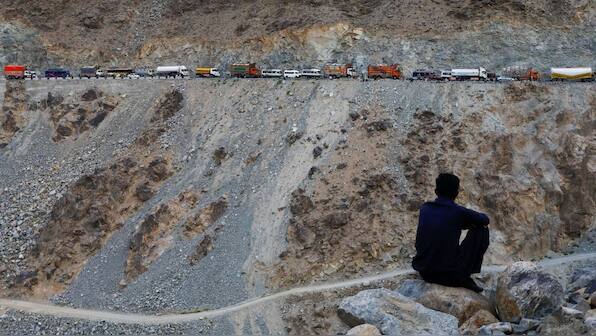
Geopolitical Disruptions: The past year has been marked by geopolitical shocks and disrupted travel corridors, significantly impacting India’s inbound tourism, particularly affecting peak seasons and long-planned travel itineraries.
Resilience of the Sector: Despite the disruptions, India’s inbound tourism story is described as one of contradiction and quiet conviction, indicating a resilient sector that is not broken but paused.
Role of Inbound Tour Operators: Homa Mistry highlights the overlooked role of inbound tour operators in India’s recovery, suggesting they are pivotal in driving growth and recovery in the sector.
Policy Gaps: The article points out policy gaps that need to be addressed to further boost inbound tourism, indicating that strategic policy interventions could significantly enhance the sector’s recovery.
Actionable Takeaways:
Leverage Inbound Tour Operators: There is a clear need for stakeholders in the travel industry to recognize and leverage the role of inbound tour operators in driving India’s inbound tourism recovery. By focusing on these operators, stakeholders can identify untapped opportunities and strategies to boost tourism, particularly in regions that have been adversely affected by geopolitical disruptions.
Address Policy Gaps: The article underscores the importance of addressing policy gaps to further stimulate inbound tourism. Stakeholders should advocate for policy reforms that remove barriers and create a more conducive environment for tourism growth. This could include simplifying visa processes, enhancing marketing efforts, and improving infrastructure to attract more inbound tourists.
Contextual Insights:
The article’s context is deeply rooted in the current state of the travel industry, particularly in India, where geopolitical tensions and travel disruptions have had a profound impact on inbound tourism. The resilience demonstrated by the sector, despite these challenges, reflects a broader trend of adaptability and innovation within the travel industry. The focus on inbound tour operators as key drivers of recovery aligns with emerging trends in the industry, where partnerships and collaborations play a crucial role in navigating disruptions and fostering growth. Furthermore, the emphasis on policy gaps highlights the importance of strategic interventions in policy-making to support industry recovery. These insights are crucial for travel startups and fintech innovators looking to capitalize on the evolving landscape of inbound tourism, particularly in regions like India where the sector is poised for a significant rebound.
Comprehensive Summarization: The North East India Tourism Confederation (NEITC) has signed a strategic memorandum of understanding (MoU) with the Association...