Article Summary:
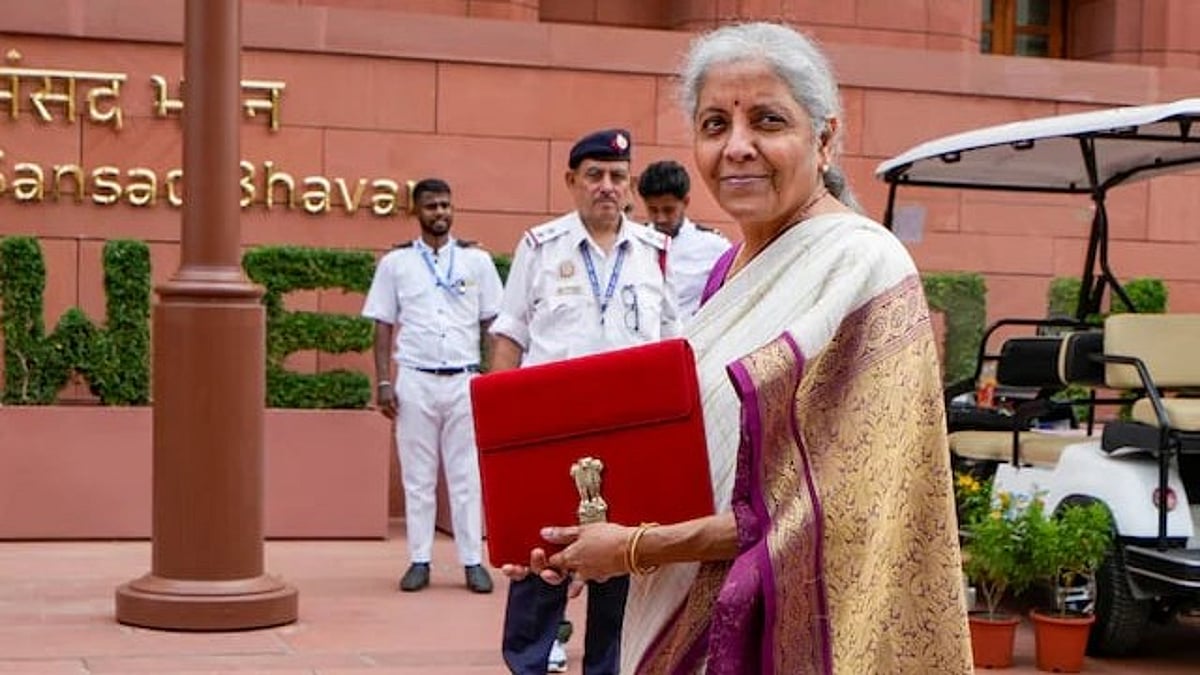
The Union Budget 2026 calendar has been officially announced, with Finance Minister Nirmala Sitharaman set to present the budget on February 1, 2026. This decision, approved by the Cabinet Committee on Parliamentary Affairs, marks an unusual timing for a budget presentation. The Budget Session of Parliament will commence on January 28 and conclude on April 2, providing lawmakers with over two months to discuss fiscal priorities and legislative proposals. The article also highlights a live update regarding the need for support to sustain the uptick in consumption in the personal care sector, which is expected to be a key focus area in the upcoming budget.
Key Points:
The Union Budget 2026 calendar has been officially announced, with the budget presentation scheduled for February 1, 2026.
The decision to set the budget date was approved by the Cabinet Committee on Parliamentary Affairs.
The Budget Session of Parliament will run from January 28 to April 2, allowing ample time for discussions on fiscal priorities and legislative proposals.
There is a need for support to sustain the uptick in consumption in the personal care sector, which is expected to be a key focus in the budget.
Actionable Takeaways:
Timing of Budget Presentation: The unusual timing of the budget presentation on February 1, 2026, could influence fiscal planning and legislative discussions in the short term. Stakeholders in the travel industry should monitor the budget closely for any announcements that may impact travel-related policies or investments.
Focus on Personal Care Sector: The need for support to sustain consumption in the personal care sector suggests potential policy shifts or financial incentives that could affect consumer behavior in travel-related sectors, such as wellness tourism or health-focused accommodations. Travel companies may need to adapt their offerings to align with these policy changes.
Extended Budget Session: The extended duration of the Budget Session (January 28 to April 2) provides lawmakers with sufficient time to deliberate on fiscal priorities. This could lead to more comprehensive and impactful budget decisions, potentially benefiting the travel industry through favorable policy changes or increased funding for travel-related initiatives.
Contextual Insights:
The announcement of the Union Budget 2026 and its extended session duration reflect the ongoing focus on fiscal discipline and strategic planning by the government. In the context of the travel industry, such fiscal decisions can have significant implications for travel startups, fintech innovations, and consumer spending patterns. For instance, policy support for the personal care sector may indirectly influence travel trends, particularly in wellness tourism, where personal care and health are central themes. Travel companies should stay vigilant for any budgetary announcements that could affect their operational strategies, investment opportunities, or consumer engagement tactics. Additionally, the timing of the budget presentation suggests a proactive approach by the government, which may encourage travel industry stakeholders to align their plans with upcoming fiscal policies.
Comprehensive Summarization: The article highlights the growing tourism slowdown affecting several countries, including the United States, Greece, Turkey, Sri Lanka,...