







No products in the cart.
- Latest
- Trending

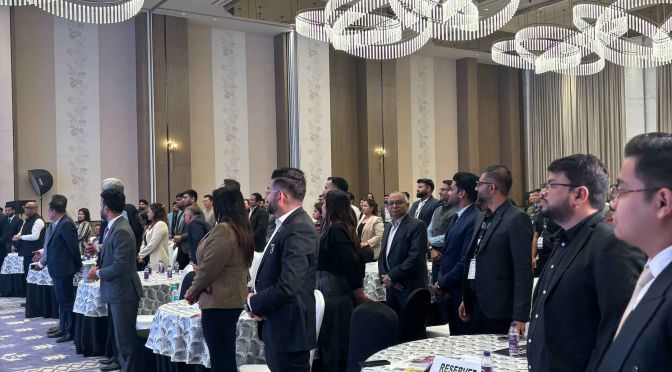
Hospitality & Tourism Conclave 2026 sets agenda for East and North-east India’s next growth phase
Comprehensive Summarization:
The article discusses the Hospitality & Tourism Conclave 2026 held in Siliguri, East and North-east India, where industry leaders emphasized the need for measured growth in tourism, grounded in relevance, resilience, and regional context. The conclave comes at a critical juncture as infrastructure upgrades accelerate across North Bengal and the North-east, focusing on how destinations should grow, what kind of tourism they should attract, and where restraint is necessary. Harshavardhan Neotia, Chairman of Ambuja Neotia Group, highlighted the importance of the conclave in a rapidly evolving country with advancements in airports, rail connections, and other infrastructure. The article also touches on the broader travel trends and insights from thought leaders, underscoring the need for strategic, sustainable tourism development.
Key Points:
Actionable Takeaways:
Strategic Tourism Development: Focus on sustainable and relevant tourism growth that aligns with regional context and infrastructure advancements. This approach ensures long-term viability and enhances the appeal of destinations to targeted tourist segments.
Infrastructure Investment: Prioritize investments in critical infrastructure such as airports and rail connections to support tourism growth. These upgrades are pivotal in facilitating seamless travel experiences and boosting regional tourism economies.
Targeted Tourism Attraction: Develop strategies to attract specific types of tourism that align with regional strengths and cultural heritage. This targeted approach can enhance the uniqueness of destinations and cater to niche market segments effectively.
Contextual Insights:
The conclave reflects a broader industry trend towards sustainable and strategic tourism development, where growth is measured and aligned with regional capabilities and infrastructure. The emphasis on infrastructure upgrades, such as airports and rail connections, highlights the critical role of logistics and connectivity in enhancing tourism appeal. This context is crucial for travel startups and fintech innovations, as it underscores the need for seamless, tech-driven travel experiences that cater to modern traveler expectations. The insights from thought leaders like Harshavardhan Neotia further emphasize the importance of restraint in growth, ensuring that development is sustainable and does not compromise the unique character of the regions. This forward-looking perspective aligns with current industry trends, where technology and sustainability are key drivers of successful tourism strategies.
Read the Complete Article.
Get curated travel AI insights — choose the newsletters that matter to you.
ALTOUR Expands into Thailand, Strengthening Corporate Travel Network Across Southeast Asia BANGKOK, THAILAND (25 March, 2026) – ALTOUR, a leading...
Read moreDetails


Busan, South Korea — August 14, 2023 In short: Airalo and Busan Metropolitan City collaborate to provide 100,000 free eSIM...
Read moreDetails