








No products in the cart.
- Latest
- Trending

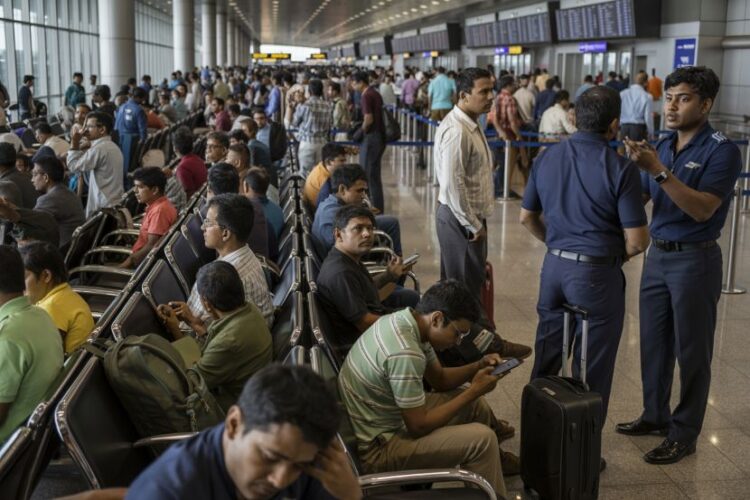
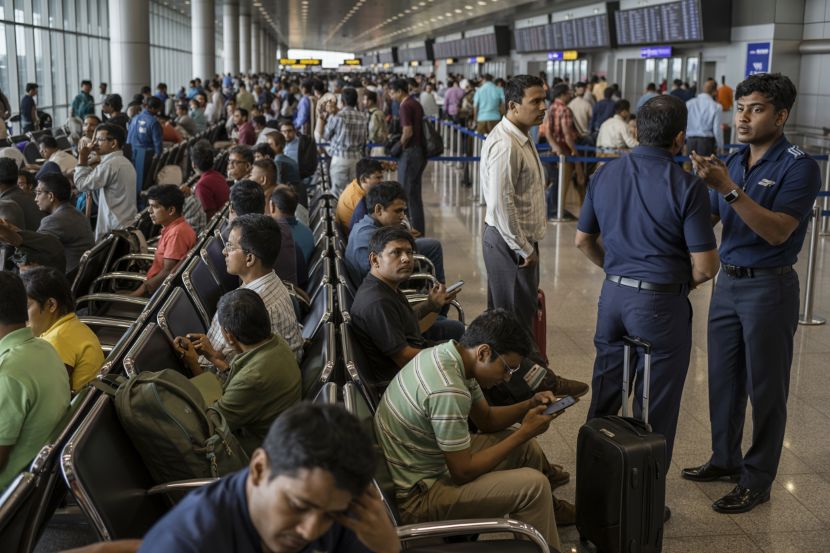
Hundreds of Passengers Stranded Across India as Indira Gandhi, Chatrapati Shivaji, Bengaluru, and Ch...
Comprehensive Summarization:
The article reports significant disruptions at major Indian airports, including Indira Gandhi International in Delhi, Chatrapati Shivaji International in Mumbai, Bengaluru International, and Chennai International, due to over 1,300 flight delays and 10 cancellations. This disruption affects both domestic and international passengers, particularly during peak travel season. The affected airlines include Air India, IndiGo, Vistara, and others. The article highlights the challenges faced by travelers and the strain on the aviation sector during this period.
Key Points:
Actionable Takeaways:
Enhanced Communication Protocols: Airlines should implement more robust communication systems to inform passengers about delays and cancellations promptly. This can help manage passenger expectations and reduce frustration during disruptions.
Increased Operational Resilience: The incident underscores the need for airlines to invest in more resilient operational systems, including real-time tracking and predictive analytics, to better manage and mitigate disruptions during peak travel periods.
Focus on Passenger Experience: Travel companies should prioritize enhancing the passenger experience during disruptions by providing clear information, alternative travel options, and support services. This can help maintain customer satisfaction and loyalty despite operational challenges.
Contextual Insights:
The disruptions at major Indian airports reflect broader challenges faced by the global travel industry during peak travel seasons. The article highlights the importance of technological advancements in managing such disruptions, such as real-time flight tracking and automated communication systems. These innovations are crucial for maintaining operational efficiency and ensuring passenger satisfaction. Furthermore, the incident underscores the need for travel companies to adopt agile operational strategies that can quickly adapt to unforeseen challenges, ensuring continuity and resilience in the face of disruptions. As the travel industry continues to evolve, integrating advanced technologies and focusing on passenger-centric solutions will be key to navigating future disruptions effectively.
Read the Complete Article.
Get curated travel AI insights — choose the newsletters that matter to you.
This spot is reserved for brands with a compelling story for the travel trade. They use this space to cut...
Read moreDetailsALTOUR Expands into Thailand, Strengthening Corporate Travel Network Across Southeast Asia BANGKOK, THAILAND (25 March, 2026) – ALTOUR, a leading...
Read moreDetails


Comprehensive Summarization: President Trump appointed Nick Adams, a self-styled “alpha male” known for controversial statements about Islam, as a Special...
Read moreDetails