








No products in the cart.
- Latest
- Trending

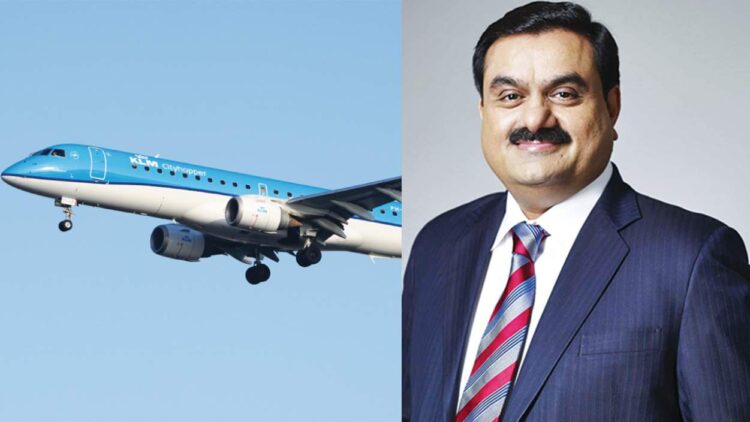
Latest Travel & Aviation Update: India Takes Bold Step Towards Indigenous Aircraft Manufacturing wit...
Comprehensive Summarization:
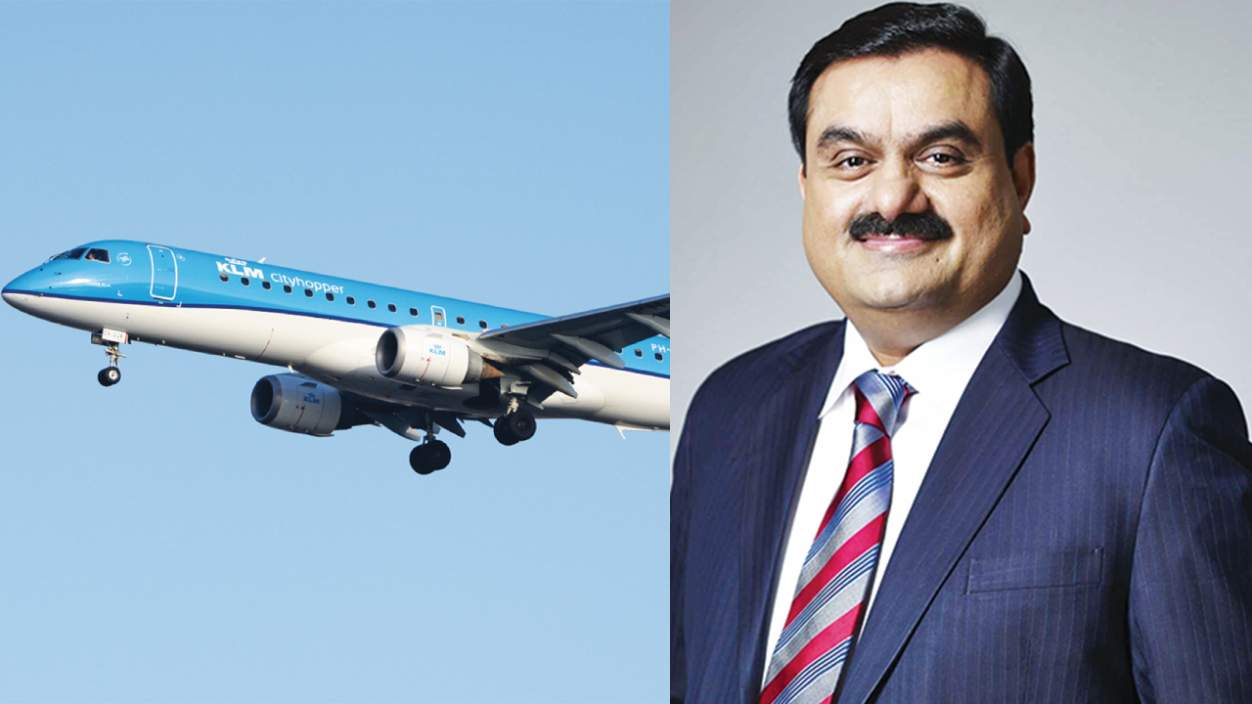
Adani Defence & Aerospace, a part of India’s Adani Group, and Brazilian aerospace titan Embraer have signed a Memorandum of Understanding (MoU) to develop a regional transport aircraft ecosystem in India. This strategic alliance marks a significant step towards indigenous aircraft manufacturing in the country, potentially establishing India as a key player in the global aviation landscape. The agreement is poised to reshape the Indian aviation sector and the broader travel industry by fostering supply-chain growth, aftermarket services, and pilot training. This move is expected to boost travel connectivity and create aerospace jobs, signaling a new chapter in aircraft manufacturing within India.
Key Points:
Actionable Takeaways:
Strategic Partnership for Growth: The MoU between Adani Defence & Aerospace and Embraer presents a strategic opportunity for India to become a significant player in the global aviation industry. Companies in the aviation sector should monitor this development closely for potential collaborations or market expansion opportunities.
Investment in Local Manufacturing: The push for indigenous aircraft manufacturing could lead to increased investment in local aerospace industries. Stakeholders in the travel and aerospace sectors should explore partnerships or investments in local manufacturing to capitalize on this trend.
Job Creation and Economic Impact: The initiative is expected to create numerous jobs in the aerospace sector. Businesses in related fields, such as aviation training and supply-chain management, should consider how they can align with this growth to benefit from the increased demand.
Contextual Insights:
The signing of this MoU reflects a broader trend of countries investing in indigenous aircraft manufacturing to reduce dependency on foreign imports and stimulate domestic industries. This move aligns with global trends towards self-reliance and technological advancement in aerospace. For the travel industry, this development could lead to more frequent and affordable travel options, as well as increased job opportunities in related sectors. Thought leaders in the travel and aerospace sectors should consider how their organizations can leverage this partnership to enhance their offerings, whether through strategic alliances, talent acquisition, or investment in related technologies. The potential for increased travel connectivity and job creation underscores the broader economic and social benefits of such strategic partnerships in the aviation sector.
Read the Complete Article.
Get curated travel AI insights — choose the newsletters that matter to you.
ALTOUR Expands into Thailand, Strengthening Corporate Travel Network Across Southeast Asia BANGKOK, THAILAND (25 March, 2026) – ALTOUR, a leading...
Read moreDetails


Comprehensive Summarization: The article discusses Iran's defiance and threats against recreational and tourist sites globally, despite continuing missile development. The...
Read moreDetails