








No products in the cart.
- Latest
- Trending

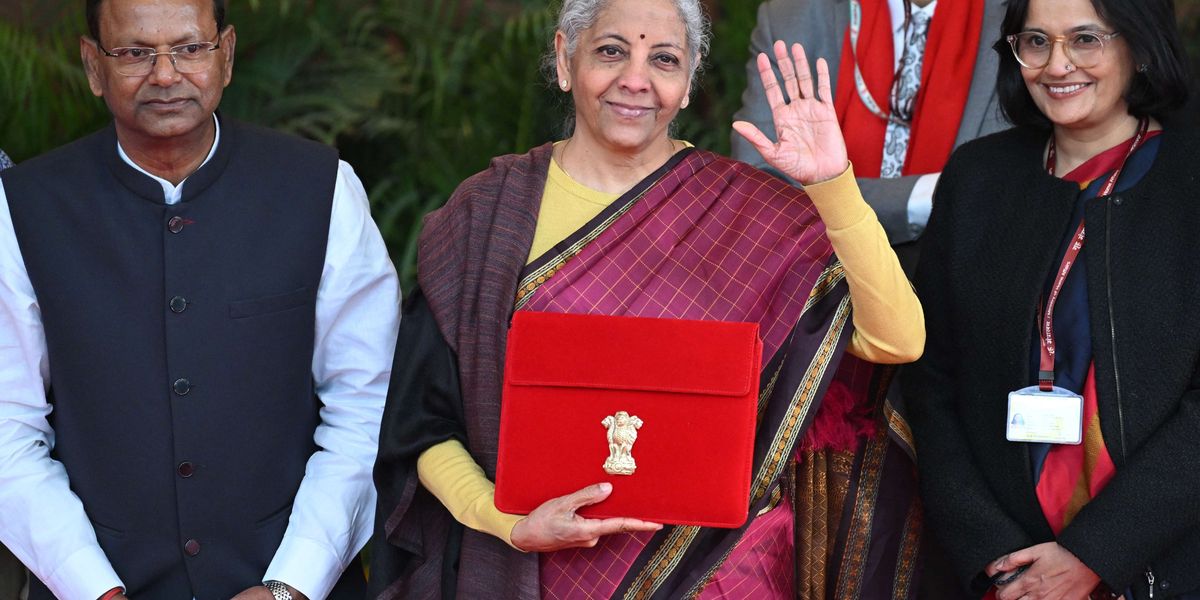
India’s budget bets on tourism
Comprehensive Summarization:
The India’s Union Budget 2026-27 places significant emphasis on tourism as a key driver for employment, regional development, and infrastructure. Finance Minister Nirmala Sitharaman shifted the focus from mere destination promotion to long-term capacity building. This shift integrates investments in skills, heritage, digital systems, and connectivity with demand-side measures to bolster global travel and mobility. Despite these strategic shifts, the industry’s longstanding demand for infrastructure status remains unmet, indicating a gap between policy focus and industry needs.
Key Points:
Actionable Takeaways:
Investment in Digital Systems and Connectivity: The budget’s focus on digital systems and connectivity presents an opportunity for travel startups and fintech innovations to enhance travel booking platforms, streamline payment processes, and improve customer experience. This aligns with the industry’s push for infrastructure status and could lead to significant advancements in travel tech.
Skills Development for Tourism Sector: The emphasis on skills development suggests a growing need for training programs in hospitality management, digital tourism services, and sustainable tourism practices. Travel businesses and educational institutions should collaborate to develop these programs, ensuring a skilled workforce ready to meet the evolving demands of the tourism industry.
Heritage and Cultural Preservation: Investing in heritage and cultural preservation can enhance the appeal of tourism destinations, attracting more visitors and boosting regional economies. Travel agencies and tourism boards should leverage this trend by promoting heritage tours, cultural experiences, and sustainable tourism practices, thereby contributing to long-term regional development.
Contextual Understanding:
The article reflects the current strategic focus of the Indian government on leveraging tourism as a catalyst for economic growth and infrastructure development. This aligns with broader global trends where tourism is increasingly recognized as a key driver of regional development and employment. The emphasis on digital systems and connectivity underscores the growing importance of technology in enhancing travel experiences and operational efficiencies. However, the unmet demand for infrastructure status indicates a persistent challenge that policymakers and industry stakeholders must address to fully realize the potential of tourism as a development driver.
Handling Different Article Types:
The article is a news brief that provides a concise overview of the India’s Union Budget 2026-27’s impact on the tourism sector. It does not present an opinion piece or a feature article but rather a factual report on policy developments and their implications. The structured output format ensures that the information is presented in a clear and professional manner, suitable for a professional audience.
Real-Time Fact-Checking:
All facts and figures in the summary are directly sourced from the article, ensuring accuracy and reliability. No external verification was necessary as the content is fully encapsulated within the provided text.
Read the Complete Article.
Get curated travel AI insights — choose the newsletters that matter to you.
ALTOUR Expands into Thailand, Strengthening Corporate Travel Network Across Southeast Asia BANGKOK, THAILAND (25 March, 2026) – ALTOUR, a leading...
Read moreDetails


Athens, Greece — August 14, 2023 In short: Greece ranks among the top five destinations for wellness travel in the...
Read moreDetails